If you’ve ever walked into a room and felt instantly calmer surrounded by lush, vibrant greenery, you already understand the magic of a happy green plant. But what actually makes a plant “happy,” and how can you tell the difference between a thriving houseplant and one that’s silently struggling? This guide breaks down everything you need to know — from care basics to the deeper question of why plants matter so much to our wellbeing.
For a broader look at the philosophy behind this idea, check out our full guide: Happy Plants: The Ultimate Guide to Growing, Gifting, and Celebrating with Plants.
What Is a Happy Green Plant?

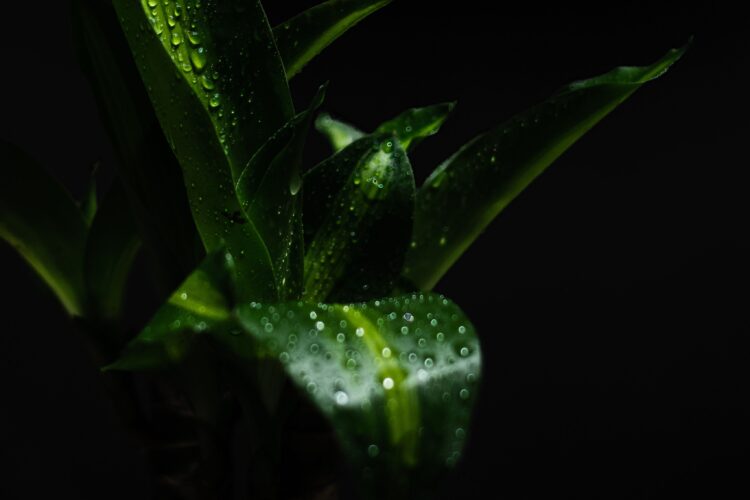
A happy green plant is simply a plant that is getting everything it needs to thrive: the right light, water, soil, and nutrients. When these needs are met consistently, the plant rewards you with rich green color, steady new growth, and strong, upright stems. The term has also become a popular way to describe a specific mindset — treating plant care as a form of self-care and home wellness, not just decoration.
Want the full breakdown of the meaning behind the phrase? Read: What Is a Happy Plant? Meaning, Types, and Care Guide.
How a Happy Green Plant Grows
Understanding how plants grow is the foundation of keeping them happy. Here’s the basic process:
- Light: Plants convert sunlight into energy through photosynthesis. Most popular houseplants prefer bright, indirect light rather than direct sun.
- Water: Overwatering is the #1 cause of unhappy plants. Most species prefer their soil to dry out slightly between waterings.
- Soil and nutrients: Well-draining soil paired with the right happy plant fertilizer gives roots the oxygen and nutrition they need.
- Temperature and humidity: Most tropical houseplants thrive between 65–80°F with moderate humidity.
For step-by-step instructions tailored to specific species, see our Happy Plant Care Guide and our collection of Happiness Plant Care Guides.
Happy Plant vs Sad Plant: How to Tell the Difference
One of the most common questions people ask is how to spot a happy green plant vs a sad plant. Here’s a quick comparison:
| Happy Plant | Sad Plant |
|---|---|
| Deep, even green leaf color | Yellowing or pale leaves |
| Firm, upright stems | Drooping or limp stems |
| New leaf or root growth | No visible growth for weeks |
| Leaves free of spots or crisping | Brown, crispy leaf edges |
Why Do Happy Green Plant Leaves Turn Yellow?
Yellowing leaves are usually a sign of overwatering, poor drainage, nutrient deficiency, or too much direct light. It doesn’t automatically mean the plant is dying — often, adjusting your watering schedule or feeding routine is enough to bring the green color back within a few weeks.
Happy Plant Care, Food, and Fertilizer Essentials
Consistent care is the real secret behind every happy green plant. A few essentials:
- Happy plant food: Look for a balanced, water-soluble formula applied every 2–4 weeks during the growing season (spring and summer).
- Happy plant fertilizer: Slow-release granules or diluted liquid fertilizer both work well — just avoid over-fertilizing, which can burn roots.
- Consistent light exposure: Rotate your plant every few weeks so all sides get even light and growth stays balanced.
- Pruning: Trim yellow or damaged leaves to redirect energy toward healthy new growth.
For more detailed, plant-specific advice, browse our How to Make Your Plants Happy guide.
Why Are Happy Green Plants So Important?
Plants do far more than fill empty corners of a room. Here’s why they matter:
- They improve air quality by absorbing carbon dioxide and releasing oxygen.
- They support mental wellness — caring for greenery has been linked to reduced stress and improved mood.
- They connect us to nature, especially for people living in urban environments.
- They support a plant-based, eco-conscious lifestyle by encouraging sustainable habits at home.
Curious whether plants really do boost happiness? We dig into the research here: Do Plants Make You Happy? and Plants That Bring Happiness.
Happy Green Plants and the Environment
Beyond personal wellbeing, a plant-based, green lifestyle has a real environmental impact. Growing your own greenery — whether herbs, houseplants, or a small garden — reduces reliance on store-bought goods, supports biodiversity, and reconnects households with sustainable living. Organic growing practices, like those highlighted by green harvest and organic plant communities, emphasize chemical-free soil and natural fertilizers as a healthier option for both plants and people.
Fun and Gifting: Happy Plants Beyond the Pot
Happy green plants have also become a popular theme in gifting and pop culture. From happy birthday plant gifts to collectible novelty items, the “happy plant” concept has grown well beyond gardening.
One especially fun example: the LEGO Happy Plants Complete Guide, covering the popular pink and green LEGO happy plant sets collectors love. You can also check our tag page for release updates: LEGO Happy Plants Release Date.
If you’re a fan of quirky plant crossovers, don’t miss: Cactus Plant Flea Market Happy Meal.
Best Happy Green Plant Products and Gifts
Looking to gift a happy plant or upgrade your own collection? See our curated picks: Happy Plants: Best Products and Gifts.
Frequently Asked Questions
What is a happy green plant?
A happy green plant is one receiving proper light, water, soil, and nutrients, resulting in vibrant color and steady growth.
How do happy green plants grow?
Through photosynthesis, root nutrient absorption, and consistent care including watering, feeding, and appropriate light exposure.
Why are happy green plants important to humans?
They purify indoor air, support mental wellness, and encourage a more sustainable, plant-based lifestyle.
Why do happy green plant leaves turn yellow?
Most commonly due to overwatering, poor drainage, or nutrient deficiencies — adjusting care habits usually resolves it.
Final Thoughts
A happy green plant is more than a trend — it’s a reflection of consistent, thoughtful care and a deeper connection to the environment around you. Whether you’re troubleshooting yellow leaves, searching for the right fertilizer, or simply exploring why plants matter, small consistent habits make all the difference.
Explore more guides and resources on our site: Happy Plant Home, learn more About Us, or Contact Us with your plant questions.



0 Comments