The Happy Heart Plant: A Complete Guide to Happy Face Hearts Potentilla
If you've been searching for a low-maintenance flowering shrub that brings color, charm, and a little bit of joy to your yard, the
happy heart plant — more formally known as the Happy Face Hearts Potentilla — might be exactly what you're looking for.
This compact, heart-shaped-flower shrub has become a favorite among home gardeners and landscapers alike, and in this guide we'll cover
everything from size and pruning to a question a lot of people ask before bringing one home: are there any happy heart plant allergies
to worry about?
What Is the Happy Face Hearts Potentilla?
The happy hearts plant is a cultivar of Dasiphora fruticosa (also called shrubby cinquefoil), bred specifically for its
dainty, heart-shaped yellow blooms that appear from late spring through fall. It's a hardy, deciduous shrub that thrives in full sun and
tolerates a wide range of soil conditions, making it a popular choice for borders, foundation plantings, and mixed perennial beds.
You can see the full plant profile and purchasing details on the
Happy Face Hearts Potentilla page at Wasco Nursery,
where it's also listed as a
Happy Face Hearts Potentilla shrub for sale.
Happy Face Hearts Potentilla Size and Growth Habit
One of the most common questions gardeners ask is about happy face hearts potentilla size. On average, this shrub reaches
2 to 3 feet tall and wide at maturity, giving it a naturally rounded, tidy shape that rarely needs heavy shaping. Its compact size
makes it ideal for small gardens, container growing, or as a low hedge along walkways.
How to Prune Happy Face Hearts Potentilla
Happy face hearts potentilla pruning is simple. Prune in late winter or early spring before new growth appears, removing any dead,
damaged, or crossing branches first. A light shearing after the first flush of blooms can also encourage a second round of flowering.
Because this shrub blooms on new wood, it tolerates fairly aggressive pruning without sacrificing next season's flowers.
Happy Heart Plant Allergies: Is It Safe to Grow?
A question that comes up often is whether the happy heart plant causes allergies. The good news is that Potentilla shrubs, including
the Happy Face Hearts variety, are generally considered low-allergen plants. They're insect-pollinated rather than wind-pollinated, so
they don't release large amounts of airborne pollen the way grasses or trees do — which means they're typically a safer choice for
people with seasonal pollen sensitivities. That said, anyone with sensitive skin should still wear gloves when pruning or handling
the plant directly, since mild skin irritation from contact with foliage or sap is possible with many woody shrubs. If you have known
plant allergies, it's always worth doing a small touch test or consulting an allergist before planting extensively.
Finding a Happy Hearts Barn Plant City or Nursery Near You
Many gardeners search for a "happy hearts barn plant city" hoping to find a local nursery or garden barn that stocks this variety.
Availability varies seasonally, so it's best to call ahead to your local garden center or search happy face hearts potentilla near me
to confirm current stock before making the trip. Specialty nurseries and larger garden centers are your best bet, since Happy Face
Hearts Potentilla isn't always carried by big-box retailers.
More Happy Plants to Brighten Your Garden
If the happy heart plant has you curious about other mood-boosting greenery, we've got you covered. Explore our full
ultimate guide to growing, gifting, and celebrating with plants,
learn whether plants really make you happy,
or browse our list of plants that bring happiness into any home.
Curious what makes a plant a "happy plant" in the first place? Check out our breakdown of
what a happy plant actually is, with types and care tips,
or read our general happy plant care guide for
tried-and-true growing advice. Shopping for a gift? Don't miss our picks for
the best happy plant products and gifts
and our guide to happy birthday plants.
What Does a Happy Face with Hearts Emoji Mean?
Since "happy" and "hearts" show up in searches well beyond gardening, it's worth a quick detour: the happy face with hearts emoji
(😍 or 🥰) is typically used to express affection, adoration, or pure delight — think "I'm obsessed with this" rather than plain
happiness. A happy face heart with heart eyes leans more romantic or infatuated, while a smiling face surrounded by little hearts
usually signals warmth, gratitude, or being showered with love. Context and platform matter, so the exact meaning can shift slightly
depending on where you see it used.
Frequently Asked Questions
What does a happy face with hearts emoji mean?
It generally conveys affection, admiration, or being overjoyed about something — a stronger, warmer version of a plain smiley face.
What does happy face with heart eyes mean?
It signals strong admiration or love-struck excitement, often used when someone finds something (or someone) irresistibly appealing.
Why is it called a "happy heart" plant?
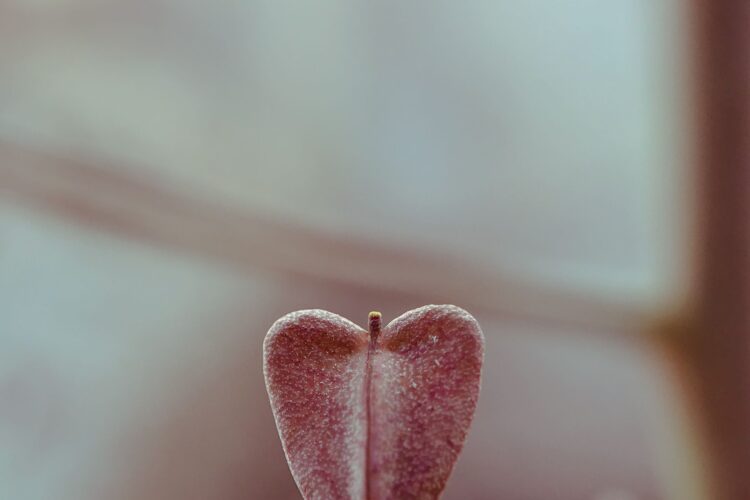
The name comes from the shrub's small, heart-shaped blossoms paired with its cheerful yellow color, giving it a naturally uplifting look in the garden.
Final Thoughts
Whether you're drawn in by its heart-shaped blooms, its low-allergen reputation, or simply its easygoing nature, the happy heart plant
is a rewarding addition to almost any garden. For more plant inspiration, tips, and guides, visit our
homepage, learn more
about us, or
get in touch with any questions.


0 Comments