Snake Plant Care: The Simple Guide to Watering, Light, and Soil
Most snake plants die the same way: someone loved them too much. A little water every few days feels like good care, but the roots rot quietly while the leaves still look fine. Then one morning the whole plant folds over. The fix is almost always the opposite of what instinct suggests — water less, and leave it alone.
This guide to snake plant care covers how often to water, how much light it really needs, the right soil, how to propagate it, and whether it is safe around cats and dogs. If you want a plant that survives a busy schedule, this is one of the best choices you can make. If you have a pet that chews everything, there is a realistic alternative further down.
Affiliate disclosure: this article contains an affiliate link. If you buy through it, we may earn a small commission at no extra cost to you.
Quick Answer: How Do You Care for a Snake Plant?
Place your snake plant in bright, indirect light (it tolerates low light), plant it in fast-draining soil in a pot with drainage holes, and water only when the soil has dried out completely — usually every 2–3 weeks, less in winter. Overwatering is the main cause of death. Skip fertilizer for the first few months.
What Is a Snake Plant?
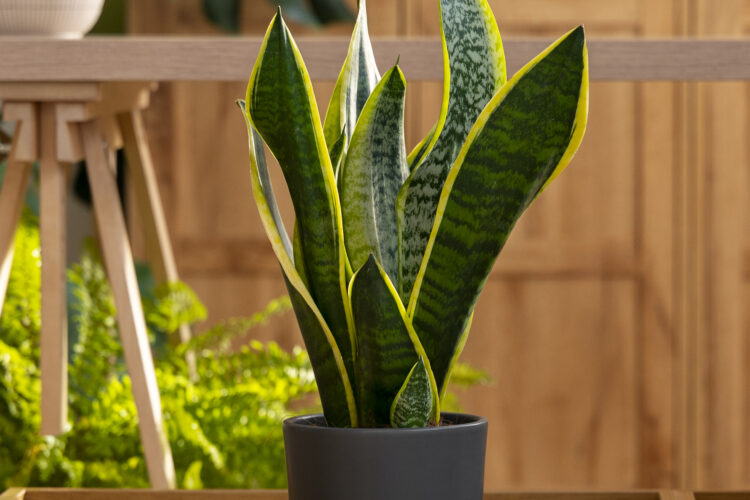
The snake plant is a hardy succulent-like houseplant with upright, sword-shaped leaves, often striped or edged in yellow. You will see it sold under several names: Sansevieria, mother-in-law's tongue, and Dracaena trifasciata. The botanical name changed when Sansevieria was reclassified into the Dracaena genus, which is why labels at garden centers still vary. It is closely related to the Chinese Happy Plant, another tough Dracaena that suits beginners.
It stores water in its thick leaves and rhizomes, which is why it handles neglect so well — and why it hates wet soil.
How Often Should You Water a Snake Plant?
Water a snake plant about every 2–3 weeks, and only after the soil is completely dry. In winter, when growth slows, stretch that to every 4–6 weeks. The schedule matters less than the soil: check first, then water.
How to Tell When It Needs Water
- Push a finger or wooden skewer 2 inches into the soil. If it comes out damp, wait.
- Lift the pot. A dry pot feels noticeably lighter.
- Wrinkled or slightly curling leaves can mean thirst. Mushy, yellowing leaves at the base usually mean too much water.
How to Water Properly
- Water slowly around the soil, not into the center of the leaf rosette.
- Keep going until water drains from the bottom holes.
- Empty the saucer after 15 minutes so the roots are never left sitting in water.
What Light Does a Snake Plant Need?
Snake plants grow best in bright, indirect light, but they tolerate low light far better than most houseplants. Low light does not kill them; it slows growth and can fade variegation. Direct afternoon sun through glass can scorch the leaves, so a spot a few feet back from a south- or west-facing window works well.
| Light Level | What to Expect |
|---|
| Bright, indirect | Best growth and strongest leaf color |
| Medium | Steady, slower growth |
| Low | Survives, but growth is very slow; water even less |
| Direct hot sun | Risk of scorched, bleached patches |
Best Soil and Pot for Snake Plants
The best soil for a snake plant is a gritty, fast-draining mix. A commercial cactus or succulent mix works, or you can lighten regular potting soil with perlite or coarse sand. Heavy, moisture-holding soil is the second most common way to lose a snake plant.
- Drainage holes are non-negotiable. If you love a decorative pot without holes, keep the plant in a plain nursery pot inside it.
- Terracotta helps. It breathes and dries faster than glazed ceramic or plastic.
- Do not oversize the pot. Snake plants like to be snug; a big pot holds extra wet soil.
Planting and Repotting a Snake Plant
Repot only every 2–4 years, or when roots push out of the drainage holes or the pot starts to bulge. Spring and early summer are the best times.
- Choose a pot only 1–2 inches wider than the current one.
- Gently loosen the root ball and trim any black or mushy roots.
- Plant at the same depth as before and fill with dry, gritty mix.
- Wait about a week before watering so any damaged roots can callus.
How to Propagate a Snake Plant
You can propagate a snake plant by dividing the root ball or by taking leaf cuttings. Division is faster and more reliable; leaf cuttings take weeks to root but cost nothing.
Method 1: Division (Easiest)
- Remove the plant from its pot and shake off loose soil.
- Separate a section that has its own roots, cutting through the rhizome with a clean knife if needed.
- Pot each piece in fresh, gritty soil and wait a few days before watering.
Method 2: Leaf Cuttings
- Cut a healthy leaf near the base and slice it into 2–3 inch sections, noting which end was down.
- Let the cuttings dry for a day or two so the cut ends callus.
- Place the bottom end in water or damp, gritty soil and keep it in bright, indirect light.
- Expect roots in several weeks, and new growth after that. Be patient.
Note: variegated types with yellow leaf edges often lose that pattern when grown from leaf cuttings. Division keeps it.
Are Snake Plants Toxic to Cats and Dogs?
Yes. According to the ASPCA's toxic plant list, snake plants are mildly toxic to cats and dogs if chewed or swallowed. Symptoms typically include drooling, nausea, and vomiting. It is rarely life-threatening, but if your pet eats some, call your vet or an animal poison hotline.
What to Do If You Have Pets
- Place the plant on a high shelf or in a room your pet cannot enter.
- Swap it for a non-toxic option such as a spider plant or parlor palm. Our house plants and happiness guide has more ideas for building a plant-filled home.
- Or choose a realistic artificial one, which gives you the look with no risk and no upkeep.
A No-Maintenance Alternative: The Faux Snake Plant
Real snake plants are easy, but they are not always practical. A windowless office, a pet that attacks leaves, a rental you travel from often — in those cases, an artificial snake plant is a reasonable compromise.
Briful 16" Faux Potted Snake Plant
The Briful artificial snake plant stands about 16 inches tall and comes in a white ceramic pot (roughly 4.7 inches across). The sword-shaped leaves have horizontal striping, and the listing describes the material as polyester. It is rated 4.6 out of 5 stars from about 900 reviews, and several color and pot variations are offered. At the time of writing, the main option was listed at $29.99, but prices differ by variation, so check before you buy.
Good fit for: pet owners, dark corners, desks and bookshelves, gifts, and anyone who wants the look without watering.
Keep in mind: it will not purify air, grow, or respond to care, and artificial plants can collect dust that needs wiping with a damp cloth. For outdoor use, direct sun may fade polyester over time.
Check the Current Price on Amazon
Snake Plant Benefits: What Is True and What Is Hype
Snake plants are often promoted as air purifiers. That claim traces back to a 1989 NASA study run in sealed chambers. Real homes have far more air exchange, so a few plants will not noticeably clean your air. A snake plant's genuine benefits are simpler: it is attractive, it is very forgiving, and it adds greenery in places most plants cannot survive. If you are curious how greenery affects mood, read how plants make you happy.
Some people also ask whether a snake plant brings good or bad luck. In feng shui folklore it is often linked with protective energy, but this is cultural belief, not science. Treat it as a fun tradition.
Common Snake Plant Problems and Fixes
| Problem | Likely Cause | Fix |
|---|
| Yellow, mushy leaves at the base | Overwatering or root rot | Let soil dry; trim rotten roots; repot in gritty mix |
| Leaves falling over | Too much water, or too little light | Check roots; move to brighter light |
| Brown, crispy tips | Underwatering or inconsistent watering | Water thoroughly, then wait until dry |
| Wrinkled leaves | Thirst | Give a deep watering |
| Pale or scorched patches | Too much direct sun | Move back from the window |
| Cottony white spots | Mealybugs | Dab with rubbing alcohol on a cotton swab |
Common Mistakes to Avoid
- Watering on a calendar. Check the soil, not the date.
- Using a pot with no drainage. Water pooling at the bottom is the fastest route to rot.
- Repotting too often. Snake plants thrive when root-bound.
- Overfeeding. A diluted houseplant fertilizer once or twice in spring and summer is plenty.
- Ignoring pets. Mild toxicity is still enough to cause a miserable afternoon.
Frequently Asked Questions
How often should I water a snake plant?
Every 2–3 weeks in spring and summer, and every 4–6 weeks in winter, but only when the soil is completely dry. When unsure, wait a few more days.
Can a snake plant live in low light?
Yes. It tolerates low light better than most houseplants, but growth slows and it needs even less water. Bright, indirect light gives the best results.
Are snake plants toxic to cats?
Yes, the ASPCA lists snake plants as mildly toxic to cats, causing drooling, nausea, and vomiting if eaten. Keep the plant out of reach or choose a pet-safe alternative.
Are snake plants toxic to dogs?
Yes, they cause similar mild digestive upset in dogs. Contact your vet if your dog chews on one.
How do I propagate a snake plant?
The easiest way is dividing the root ball into sections that each have roots. You can also root leaf cuttings in water or soil, though that takes several weeks.
Can snake plants grow outdoors?
They can in warm climates, generally USDA zones 9–11, in partial shade to bright light. In colder areas, grow them in pots and bring them inside before temperatures drop.
Why are my snake plant's leaves turning yellow?
Yellow, soft leaves usually point to overwatering and root rot. Stop watering, check the roots, and repot in dry, gritty soil if the roots are mushy.
Final Thoughts
Snake plant care comes down to three habits: dry soil between waterings, a pot that drains, and a spot with decent light. Do those and the plant will outlast most of your other houseplants. If pets or a dark space make a live plant unrealistic, a good faux version is a perfectly fine choice.
Browse more beginner-friendly guides on our homepage, learn about the team on our About page, or contact us with your own plant questions.
Want the snake plant look with zero upkeep? See the 16-inch faux snake plant and its color options and check today's price.
See the Faux Snake Plant on Amazon

0 Comments