
The happy leaf plant — most commonly a variety of Epipremnum aureum, also known as pothos or devil’s ivy — has become one of the most popular houseplants for beginners and collectors alike. But what exactly makes a “happy leaf” different from a regular pothos, and why do its leaves sometimes develop brown tips or spots? This guide covers everything you need to know.
For general background on the happy plant concept, see our full guide: Happy Plants: The Ultimate Guide to Growing, Gifting, and Celebrating with Plants.
What Is a Happy Leaf Plant?
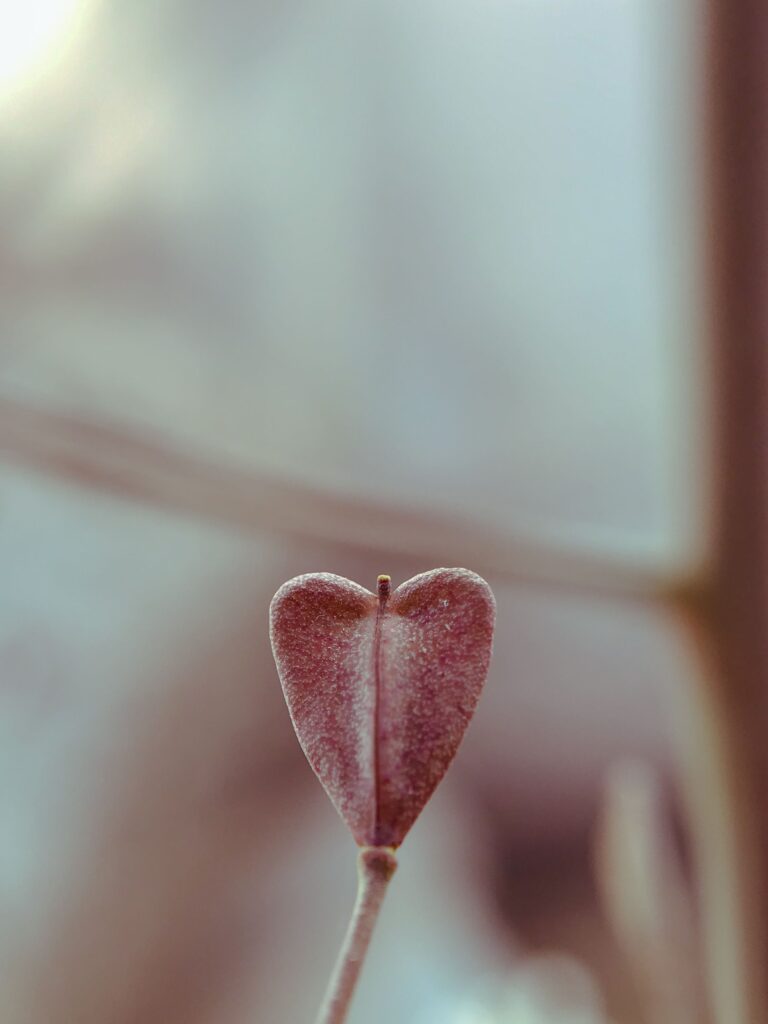
“Happy Leaf” is a popular pothos cultivar and also the name used by several plant brands and shops (including the well-known Happy Leaf Plant Company) that specialize in easy-care, beginner-friendly houseplants. The name reflects the plant’s naturally cheerful, glossy, heart-shaped leaves and its reputation for being low-maintenance and forgiving.
Curious about the meaning behind the broader “happy plant” trend? Read: What Is a Happy Plant? Meaning, Types, and Care Guide.
Epipremnum Happy Leaf: Scientific Name and Family
The happy leaf plant belongs to the Epipremnum genus, part of the Araceae (aroid) family — the same family as Monstera and Philodendron. Its full scientific name is Epipremnum aureum. It’s often nicknamed “money plant” because of an old belief that its round, coin-shaped leaves bring financial luck and prosperity into the home.
Pothos Happy Leaf vs Manjula
People frequently compare the standard Happy Leaf pothos to the Manjula variety:
- Happy Leaf: Typically features classic green leaves with light marbling, faster growth, and higher tolerance for lower light.
- Manjula: Shows more dramatic cream, silver, and green variegation, wavier leaf edges, and slightly slower growth.
Both are easy-care Epipremnum varieties, but Manjula generally needs brighter indirect light to maintain its variegation, while Happy Leaf adapts more easily to average indoor conditions.
Devil’s Ivy Plant Benefits
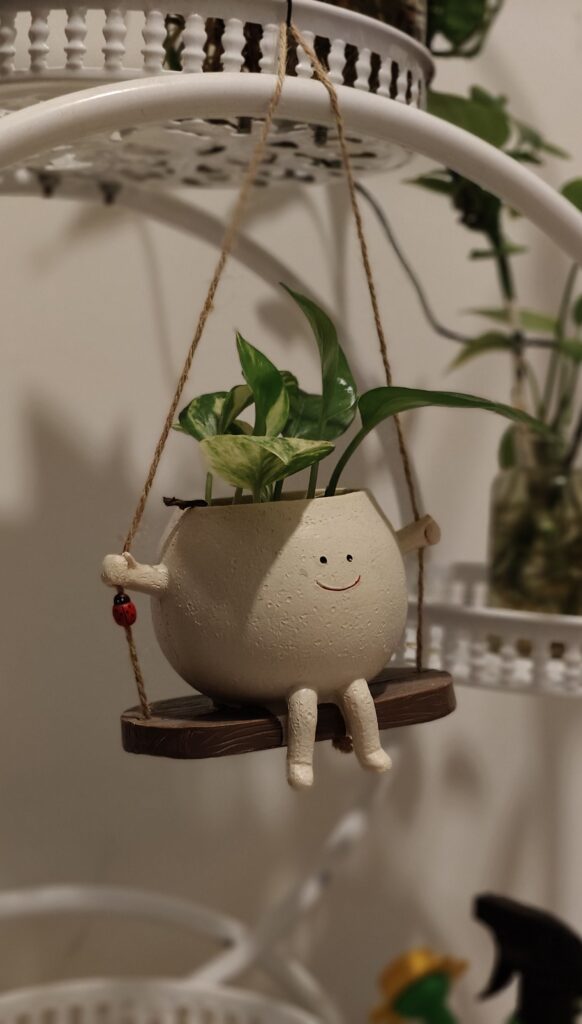
Devil’s ivy — another name for the happy leaf pothos — offers several benefits beyond its looks:
- Helps filter indoor air by absorbing common household toxins
- Tolerates low light, irregular watering, and beginner mistakes
- Grows quickly as a trailing or climbing vine, ideal for shelves and hanging baskets
- Easy to propagate from a single leaf-node cutting
For more on how plants like this support wellbeing, see: Do Plants Make You Happy?
Why Do Happy Leaf Plant Leaves Get Brown Tips or Spots?
Brown tips and spots on an Epipremnum happy leaf plant are common and usually caused by one of the following:
- Low humidity: Dry indoor air, especially near heaters or AC vents, can crisp leaf edges.
- Inconsistent watering: Letting the soil dry out completely, then overcompensating with heavy watering, stresses the plant.
- Fertilizer buildup: Too much fertilizer can cause salt buildup in the soil, leading to browning tips.
- Tap water sensitivity: Chlorine and fluoride in tap water can cause spotting in sensitive plants over time.
- Direct sunlight: Harsh, direct sun can scorch leaves, leaving brown or bleached patches.
The fix is usually simple: water consistently (not on a rigid schedule, but when the top inch of soil is dry), raise humidity slightly, flush the soil occasionally to clear mineral buildup, and keep the plant in bright, indirect light.
Happy Leaf Plant Care Essentials
- Light: Bright, indirect light is ideal; tolerates medium and low light but grows slower.
- Water: Allow soil to dry out slightly between waterings; avoid soggy soil.
- Soil: Well-draining potting mix, ideally with perlite added.
- Fertilizer: Feed lightly every 4–6 weeks during spring and summer with a balanced liquid fertilizer.
- Humidity: Average household humidity is fine, though occasional misting helps prevent brown tips.
For more detailed, step-by-step care instructions, see our full guide: Happy Plant Care Guide and our Happiness Plant Care Guides collection.
Propagating a Happy Leaf Plant
Propagation is one of the easiest and most rewarding parts of owning a happy leaf plant:
- Cut a stem section with at least one leaf and one visible node.
- Place the cutting in water or moist soil, keeping the node submerged or buried.
- Set it in bright, indirect light and change water weekly if propagating in water.
- Roots typically appear within 2–4 weeks; pot once roots are an inch or more long.
Learn more practical tips in our guide: How to Make Your Plants Happy.
“Leaf Supply: A Guide to Keeping Happy House Plants”
If you want to go deeper into houseplant care beyond just pothos, Leaf Supply: A Guide to Keeping Happy House Plants is a well-known book covering dozens of species, styling tips, and troubleshooting advice for common problems like brown tips, yellowing leaves, and pest issues. It’s a popular resource for anyone building a home plant collection.
Fiddle Leaf Fig and Other “Happy House Plant” Favorites
While the happy leaf pothos is a favorite for beginners, other popular happy house plants include the fiddle leaf fig, Monstera, and snake plant — all prized for their resilience and striking foliage. Many of the same brown-tip troubleshooting steps above apply across these species as well.
Frequently Asked Questions
What is a happy leaf plant?
A happy leaf plant is typically an Epipremnum aureum (pothos) variety known for glossy, heart-shaped leaves and easy, forgiving care — also the name of several popular plant brands.
Why does my Epipremnum happy leaf get brown spots?
Brown spots are usually caused by inconsistent watering, low humidity, fertilizer buildup, or tap water sensitivity.
Is pothos the same as a money plant?
Yes — pothos (Epipremnum aureum) is commonly nicknamed “money plant” due to its round, coin-like leaves believed to bring good fortune.
How do I fix brown tips on my happy plant?
Water consistently, raise humidity slightly, flush the soil periodically, and avoid direct harsh sunlight.
Final Thoughts
Whether you already own a happy leaf plant or you’re considering adding one to your collection, understanding its care needs — light, water, humidity, and occasional troubleshooting for brown tips — will keep it thriving for years. It’s one of the most forgiving and rewarding houseplants for beginners and experienced plant owners alike.
Explore more plant guides on our site: Happy Plant Home, learn more About Us, or Contact Us with your plant questions.


0 Comments