Best Indoor Plants for Air Quality: The Complete Guide (NASA-Backed Picks, Low-Light & Pet-Safe Options)
Affiliate disclosure: this article contains affiliate links. If you purchase through one of them, we may earn a small commission at no extra cost to you.
If you've ever searched "best indoor plants for air quality," you've probably run into the same NASA study referenced everywhere, a dozen conflicting "top 10" lists, and no clear answer on which plants are actually safe for your bedroom, your pets, or a low-light apartment. This guide pulls it all together in one place — what the research actually says, which plants are genuinely low-maintenance, which ones are safe around cats and dogs, and which ones hold up in a dim corner with no direct sun.
Quick Answer: What Are the Best Indoor Plants for Air Quality?
Based on the original NASA Clean Air Study and the plant care knowledge built on top of it since, the most commonly recommended indoor plants for improving air quality are the snake plant, spider plant, peace lily, golden pothos, English ivy, areca palm, Boston fern, rubber plant, aloe vera, and Chinese evergreen. Each one was tested for its ability to filter common household air pollutants, and together they cover almost every home situation — low light, pet households, bedrooms, and humid or mold-prone rooms.
What Plants Are Best for Air Quality? (NASA Top 10 Air Purifying Plants)
In 1989, NASA ran a study looking at whether common houseplants could help filter volatile organic compounds (VOCs) like benzene, formaldehyde, and trichloroethylene out of sealed chambers, with an eye toward improving air quality on space stations. It's the source almost every "air purifying plants" list traces back to, even decades later. It's worth noting the original test was done in sealed, controlled chambers — real homes have much more airflow, so the effect in an average room is milder than the headlines suggest. Still, the plants themselves remain genuinely easy, attractive additions to a home. The plants most consistently cited from that research and follow-up studies include:
- Snake Plant (Sansevieria / Dracaena trifasciata)
- Spider Plant (Chlorophytum comosum)
- Peace Lily (Spathiphyllum)
- Golden Pothos (Epipremnum aureum)
- English Ivy (Hedera helix)
- Areca Palm (Dypsis lutescens)
- Boston Fern (Nephrolepis exaltata)
- Rubber Plant (Ficus elastica)
- Aloe Vera
- Chinese Evergreen (Aglaonema)
Best Indoor Plants for Oxygen and Clean Air, One by One
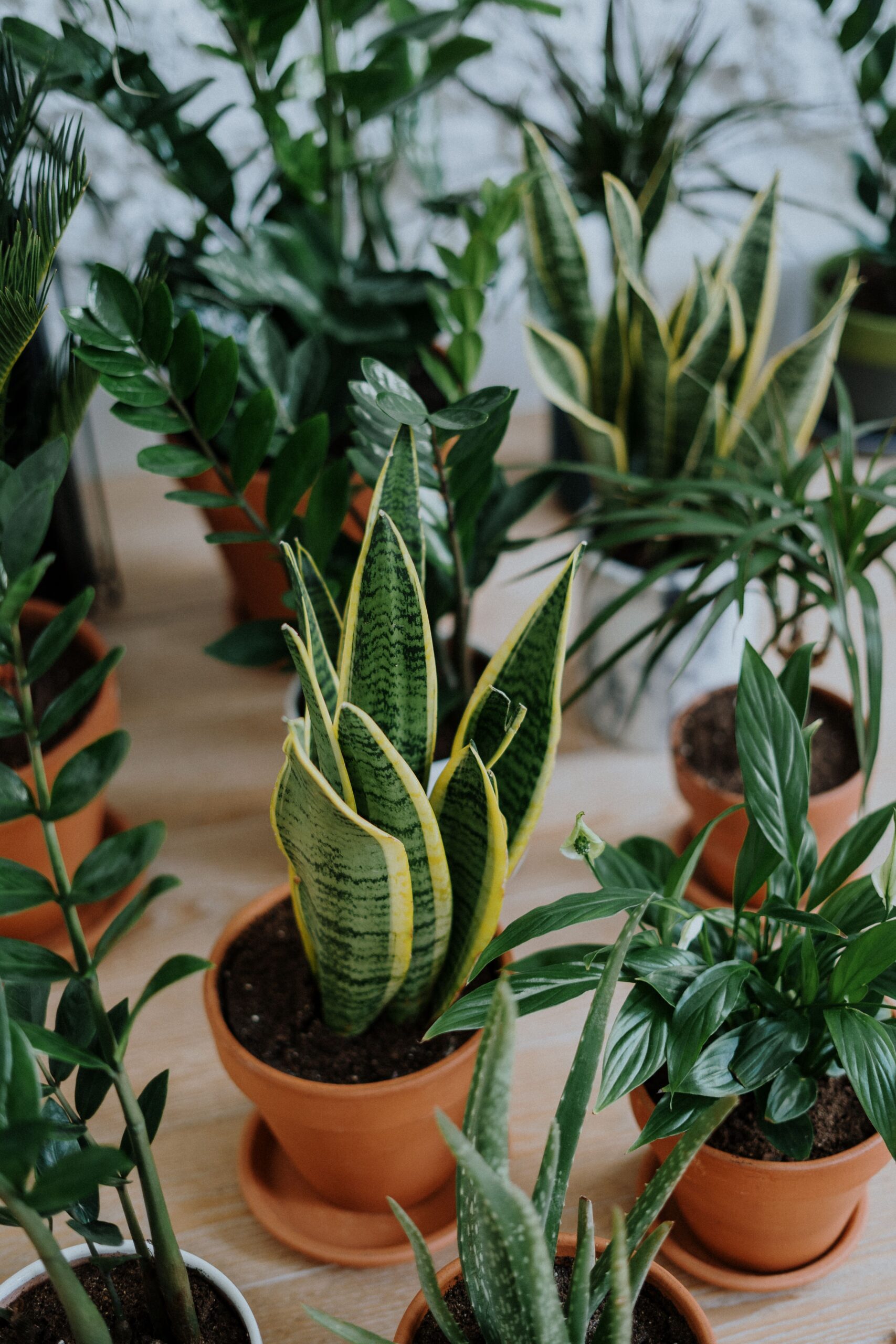
1. Snake Plant
The snake plant is one of the most recommended low maintenance indoor plants for clean air, mainly because it tolerates neglect, low light, and irregular watering better than almost anything else on this list. It's also one of the few common houseplants that continues releasing oxygen at night rather than during the day, which is why it shows up so often on lists of air purifying plants for bedroom use. Note: it's mildly toxic if chewed by cats or dogs, so keep it out of reach in pet households.
2. Spider Plant
Spider plants are fast-growing, forgiving, and non-toxic to cats and dogs, which makes them one of the safest starter choices if pet safety is a priority. They tolerate a range of light conditions and are commonly cited in NASA-adjacent research for helping filter formaldehyde and xylene.
3. Peace Lily
Peace lilies handle low light better than most flowering houseplants and are known for tolerating higher humidity, which is part of why they're often mentioned among plants that purify the air from mold — they do reasonably well in bathrooms and other damp rooms. They're toxic to pets if ingested, so this one's best kept in pet-free rooms.
4. Golden Pothos
Pothos is close to indestructible: it survives low light, irregular watering, and general beginner mistakes. It's a frequent answer to "what is the best indoor plant to clean air" for people who want something they genuinely cannot kill. It is toxic to cats and dogs if chewed, so hang it up high or keep it in a room pets can't access.
5. English Ivy
English ivy is one of the plants most associated with the "78% airborne mold" claim you may have seen floating around — a smaller, standalone study (separate from the original NASA research) found that English ivy could reduce airborne mold spores by a notable amount in an enclosed test space over several hours. It's a solid option for humid rooms, but it is toxic to pets and mildly irritating to skin for some people, so handle it with care.
6. Areca Palm
The areca palm is one of the better answers for "best indoor plants for air purification safe for pets" — it's non-toxic to cats and dogs, and it's also known for higher rates of moisture release into the air, which can help in dry indoor environments. It needs a bit more light than the plants above, so it's not ideal for very dim rooms.
7. Boston Fern
Boston ferns are non-toxic to pets and were rated well in early air-filtering research, but they're pickier than most plants on this list — they want consistent humidity and don't tolerate drying out. If you want a fern specifically, a bathroom with a window is usually the best spot.
8. Rubber Plant
Rubber plants tolerate lower light and irregular care reasonably well, and they grow large enough to make a visual impact in a living room. They're mildly toxic to pets, so this is another one better suited to pet-free spaces or high shelves.
9. Aloe Vera
Aloe is a low-maintenance succulent that needs bright light and infrequent watering, and like the snake plant, it's known for releasing oxygen at night, making it another common pick for bedrooms. It's mildly toxic to cats and dogs if ingested.
10. Chinese Evergreen
Chinese evergreen is one of the most tolerant low-light plants on this list and comes in a wide range of leaf patterns and colors. It's toxic to pets, so treat it the same as pothos and peace lily in a home with cats or dogs.
Best Indoor Plants for Air Quality and Low Light
Not every home has a bright window, and several of the plants above were specifically noted in follow-up research for tolerating dim conditions. If low light is your main constraint, prioritize these:
- Snake plant — tolerates the least light of anything on this list
- Golden pothos — grows in low light, just more slowly
- Chinese evergreen — bred specifically for shaded interiors
- Peace lily — flowers less in low light but still grows well
Air Purifying Plants for Bedroom Use
For bedrooms specifically, look for plants that release oxygen at night rather than absorb it, plus low care demands so they aren't one more thing to remember. Snake plant and aloe vera are the two most commonly recommended for this reason. Both tolerate the lower light and irregular watering that a bedroom often gets, and neither needs daily attention.
Best Indoor Plants for Air Purification Safe for Pets
If cats or dogs share your home, plant toxicity matters more than air-purifying ability. The pet-safe options from this list are:
- Spider plant — non-toxic to cats and dogs
- Areca palm — non-toxic to cats and dogs
- Boston fern — non-toxic to cats and dogs
Everything else on this list — snake plant, pothos, peace lily, English ivy, rubber plant, aloe vera, and Chinese evergreen — carries some level of toxicity if chewed or eaten, so keep those up high, in hanging planters, or in rooms your pets don't access.
Plants That Purify the Air From Mold
Mold spores are one of the more specific indoor air concerns, especially in bathrooms, basements, and humid climates. English ivy is the plant most frequently cited for this — a standalone study on airborne mold reduction is where the "removes 78% of airborne mold" figure comes from, though it's worth treating that number as a lab-condition result rather than a guarantee in an average bathroom. Peace lilies are also commonly placed in damp rooms for the same reason, since they tolerate higher humidity better than most houseplants.
Comparison Table: Best Indoor Plants for Air Quality
| Plant | Light Needs | Pet Safe? | Best Use Case |
|---|
| Snake Plant | Very low to bright | No | Bedrooms, low light, beginners |
| Spider Plant | Low to bright, indirect | Yes | Pet households |
| Peace Lily | Low to medium | No | Bathrooms, humid rooms |
| Golden Pothos | Low to bright | No | Beginners, low light |
| English Ivy | Medium to bright | No | Mold-prone rooms |
| Areca Palm | Medium to bright | Yes | Pet households, dry air |
| Boston Fern | Medium, indirect | Yes | Humid bathrooms |
| Rubber Plant | Low to bright | No | Living rooms, statement plant |
| Aloe Vera | Bright, direct | No | Bedrooms, sunny windowsills |
| Chinese Evergreen | Low light | No | Dim interiors |
No Time or Light for Live Plants? A Decorative Alternative
Live plants are the only option that actually filters air — an artificial plant doesn't purify anything. But if part of what you're after is the calming, "biophilic" look of greenery in a windowless hallway, a rental with no natural light, or a spot where live plants keep dying no matter what you try, a realistic hanging vine can fill that visual gap while you build up a collection of the real thing elsewhere in the home.
One option worth a look for that purpose is the Freyalife Fake Vines for Room Decor (12-Pack, 84 Feet) — silk ivy leaves on plastic stems, designed for walls, shelves, staircases, and patios where a live vine wouldn't survive the light conditions.
- 12 vines included, each roughly 7 feet long (about 84 feet total)
- Silk leaves with plastic stems for a realistic look and durability indoors or outdoors
- Works on walls, doors, beds, fences, trellises, and staircase railings
- Pairs well with LED string lights for bedrooms, patios, or party décor
- Rated 4.4 out of 5 stars and a current #1 Best Seller in Artificial Plants & Greenery on Amazon
Check the Current Price on Amazon
Worth knowing: fresh out of the packaging, the leaves can carry a mild plastic odor — airing them out in a ventilated space for a day before hanging takes care of it.
Frequently Asked Questions
What is the best indoor plant to clean air?
There's no single "best" plant, since each one filters slightly different pollutants, but the snake plant and golden pothos are the two most commonly recommended starting points because they combine strong air-filtering reputations with very low care requirements.
Which indoor plant purifies air the most?
Across NASA's original research and later studies, snake plants, peace lilies, and English ivy are generally rated among the most effective at filtering common household VOCs, though real-world results in an open room will always be more modest than sealed lab-chamber results.
Which plants are good for indoor air quality?
The ten plants covered in this guide — snake plant, spider plant, peace lily, golden pothos, English ivy, areca palm, Boston fern, rubber plant, aloe vera, and Chinese evergreen — are the most consistently recommended across NASA-adjacent research and general houseplant care guidance.
What plant removes 78% of airborne mold?
English ivy is the plant tied to that figure, which comes from a standalone study on airborne mold spore reduction rather than the original NASA Clean Air Study. Treat it as a lab-condition result rather than something you'll see replicated exactly in a home bathroom.
Are NASA air purifying plants still considered accurate today?
The underlying 1989 NASA study is real, but it was conducted in small, sealed chambers, not ventilated homes. The plants themselves are still good picks for a healthier-feeling home, but modern reviewers generally treat the original claims as a starting point rather than a guarantee of measurable air quality change in an average room.
Can indoor plants really improve air quality in a normal home?
They can help at the margins, mainly by adding humidity and absorbing some VOCs, but a few houseplants won't replace proper ventilation in a home with a real air quality issue. They're a reasonable complement to good airflow, not a substitute for it.
Final Thoughts
If you're picking your first air-purifying houseplant, start with a snake plant or pothos for near-zero maintenance, add a spider plant or areca palm if pets are in the house, and consider a peace lily or English ivy for a humid bathroom. None of them will replace a real ventilation fix, but they're a low-effort, genuinely pleasant way to bring a bit more green — and a bit more oxygen — into your home.
For more on choosing and caring for houseplants, see our guides on the Chinese Happy Plant, what makes a "happiness plant", and how houseplants affect wellbeing. You can also read more about how plants make you happy, browse our Happy Bean plant guide, or check out our full guide to what a "happy plant" is. Have questions about anything in this guide? Get in touch with us or learn more about our site.


0 Comments