Happy Plant
Ammara Azhar
5:29 pm - June 24, 2026
Ask anyone who has ever kept a plant alive — really alive, thriving, putting out new leaves with quiet confidence — and they'll tell you the same thing. There's something about it that settles the mind. How plants make you happy is not a mystery once you understand the biology and psychology behind the connection, but the lived experience of it is always a little magical.
This guide covers the science, the specific care know-how for some of the most beloved happy plant varieties, how to read your plants' wellbeing, and why a plant-based approach to both diet and décor could be the most underrated health decision you make this year.
How Plants Make Us Happy: The Science
How plants make us happy comes down to several well-documented mechanisms. The most fundamental is biophilia — our species' deep-seated need to connect with living systems. Humans evolved surrounded by greenery, and our nervous systems still respond to it as a signal of safety and resource abundance.
Beyond that, plants actively modify our environment. They release oxygen, absorb volatile organic compounds, add humidity to dry indoor air, and introduce gentle, fractal visual patterns that have been shown to reduce neural fatigue. Studies using EEG monitoring have found that people in plant-filled rooms show lower alpha-wave activity in the prefrontal cortex — the brain signature of relaxed, focused attention.
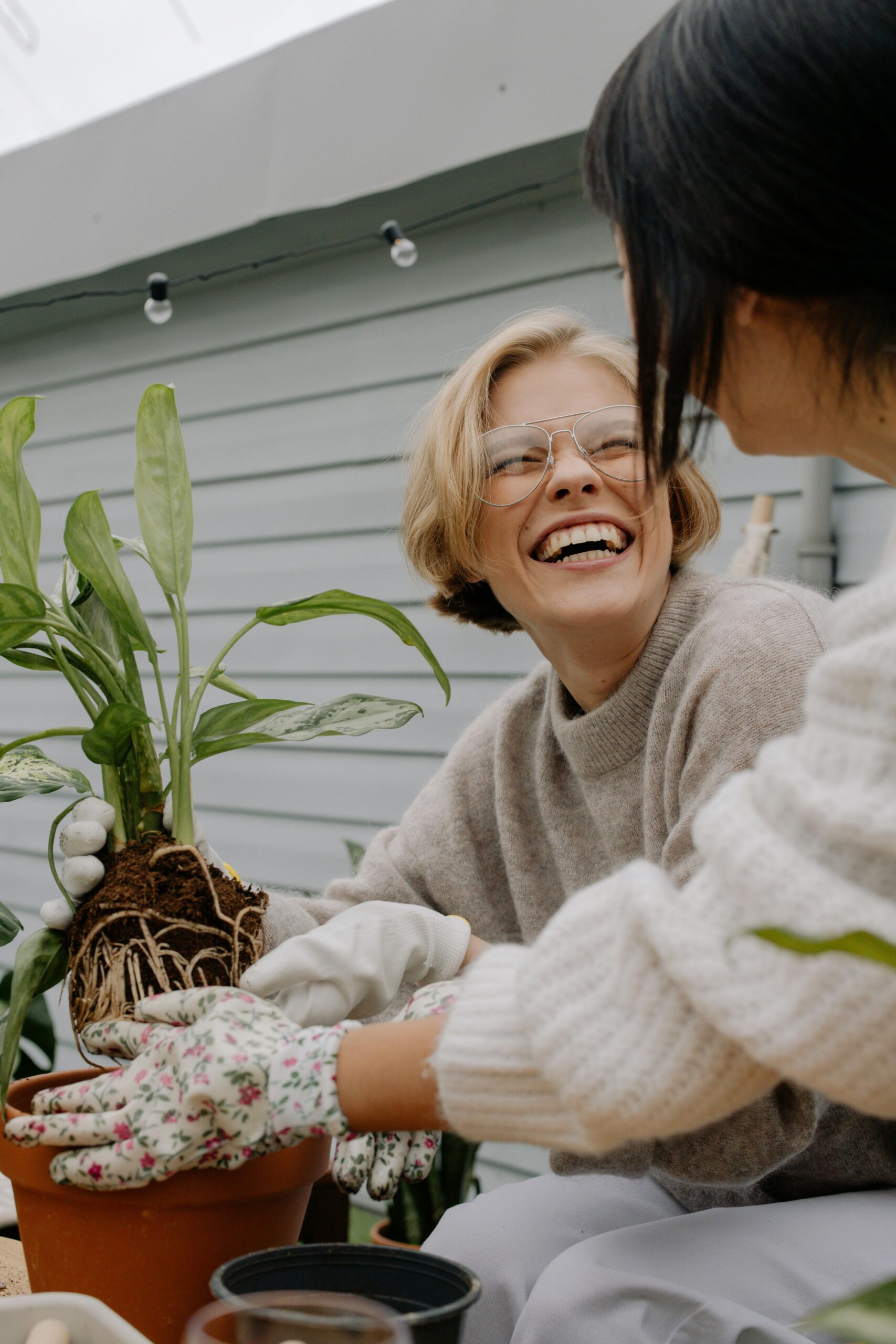
Then there's the act of tending. Watering, pruning, repotting — each small act of care triggers a mild dopamine response as we observe the results. It's the same mechanism that makes gardening one of the most reliably recommended activities for anxiety management worldwide.
How Plants Make You Happy in the Office
How plants make you happy in the office is a topic that has attracted serious corporate interest over the past decade, and for good reason. Sick building syndrome — characterised by headaches, fatigue, and poor concentration — affects millions of office workers, and plants are one of the most cost-effective interventions available.
Research from the Human Spaces report, which surveyed 7,600 office workers across 16 countries, found that employees whose offices included natural elements like plants reported a 15% higher wellbeing score and a 6% higher productivity score than those without. The effect is dose-dependent: more plants, more benefit, up to a point of comfortable saturation.
How Does Happy Plant Work? Understanding the Dracaena
When people ask "how does happy plant work?", they're usually referring to the Dracaena fragrans — a tropical plant native to Central Africa that earned its nickname through sheer reliability and charm. The happy plant works by being one of the most adaptable indoor plants in existence.
It tolerates low light (though it prefers bright indirect), infrequent watering, and occasional neglect without visibly suffering. Its long, arching leaves — often edged in yellow or white — create a relaxed, tropical atmosphere that immediately softens a space. For a full profile on care and meaning, What Is a Happy Plant? Meaning, Types, and Care Guide is the definitive reference.
How to Water a Happy Plant
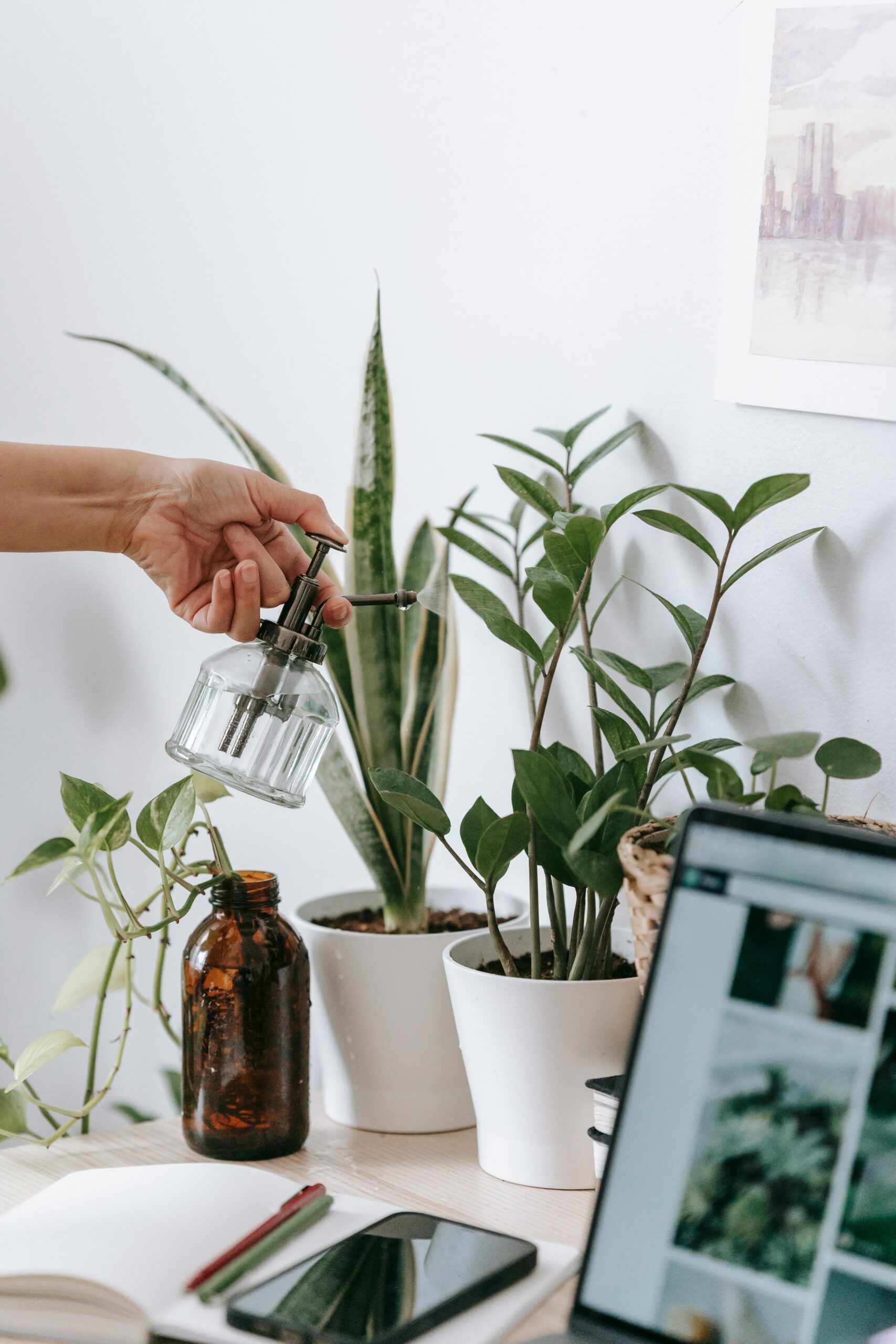
How to water a happy plant follows a simple rule: less is more. Allow the top 2–3 cm of soil to dry out completely between waterings. In summer, that typically means watering every 7–10 days. In winter, extend that to every 2–3 weeks. Use room-temperature water and allow it to drain fully — sitting water at the base is the number one cause of Dracaena root rot.
One important note: Dracaenas are sensitive to fluoride and chlorine in tap water. If your tap water is heavily treated, let it sit in an open container overnight before using, or switch to filtered water.
How Often Does a Happy Plant Flower?
How often does a happy plant flower? Rarely indoors — and that's not a failure. Dracaena fragrans typically flowers only when it reaches maturity (often 5–10 years old) and only under ideal conditions. When it does flower, it produces clusters of small, intensely fragrant white blooms, often overnight, that fill a room with scent. How often do happy plants flower in normal indoor conditions? Perhaps once every several years, if at all. Enjoy it as a rare gift rather than an expectation.
How Do You Care for a Happy Bean Plant?
The happy bean plant — Phaseolus vulgaris in its classic form, though the term is also applied to ornamental Jelly Bean Sedums and similar compact succulents — is one of the most satisfying plants to grow because it rewards attentive care visibly and quickly.
Happy Bean Plant Care Profile
Phaseolus / Sedum varieties
How to care for a happy bean plant centres on three priorities: adequate light, restrained watering, and good drainage. Overwatering is the most common mistake. How often to water a happy bean plant depends on your environment — check the soil rather than following a fixed schedule, and only water when the top layer is dry to the touch.
For step-by-step care guidance, the Happy Plant Care Guide covers watering, feeding, and troubleshooting for a range of happy plant varieties.
How to Care for Happy Bamboo Plant
Lucky bamboo (Dracaena sanderiana) — often called happy bamboo — is one of the most culturally significant plants in the world of indoor gardening. Grown in water or in soil, it's associated with positive energy, prosperity, and wellbeing across East Asian traditions.
Water
If growing in water, change completely every 1–2 weeks. Keep roots submerged. Use filtered or distilled water — bamboo is fluoride-sensitive.
Light
Bright indirect light is ideal. Direct sun scorches the leaves. A north or east-facing window works well for most homes.
Temperature
Keep between 18–35°C (65–95°F). Avoid cold draughts and air conditioning vents — bamboo dislikes sudden temperature swings.
Feeding
A drop of liquid fertiliser every 4–6 weeks in growing season is sufficient. Over-feeding turns leaves yellow.
How Far Apart to Plant Happy Wanderer
The Happy Wanderer (Hardenbergia violacea) is a vigorous Australian native vine known for its vivid purple flowers and the joy it brings to fences, trellises, and garden walls. When planting, how far apart to plant Happy Wanderer depends on your goal:
| Purpose | Spacing | Notes |
|---|---|---|
| Dense coverage (fence/wall) | 60–80 cm apart | Creates a full green screen within 2–3 growing seasons |
| Ground cover | 80–100 cm apart | Allows spreading without overcrowding |
| Trellis feature (single plant) | Solo planting | One plant can cover 2–3 metres of trellis at maturity |
| Mixed border | 1–1.5 m from other large plants | Gives roots room without competing for resources |
Happy Wanderer thrives in full sun to part shade and is drought-tolerant once established. Prune immediately after flowering (late winter to early spring) to keep the shape tidy and encourage the next season's blooms.
How to Tell If Your Plants Are Happy
How to tell if plants are happy is a question every plant parent eventually asks — and learning to read your plants is one of the most rewarding skills in indoor gardening. Here are the reliable signals, including how long to tell if plants are happy after a care change:
- ✓ Regular new growthNew leaves or shoots appearing consistently are the clearest sign of a thriving plant. After a repot or care adjustment, allow 2–4 weeks before expecting visible new growth.
- ✓ Rich, vibrant colourLeaves should be the deepest, most saturated version of their natural colour. Pale or yellowish green usually signals a nutrient or light deficit.
- ✓ Firm, upright postureTurgid leaves that hold their shape mean the plant is well-hydrated. Drooping can signal either overwatering (soggy roots) or underwatering (dry soil).
- ✓ Clean, unspotted leavesBrown tips can mean low humidity or fluoride in tap water. Yellow patches often mean overwatering. A happy plant's leaves are largely blemish-free.
- ✓ Healthy root systemWhite or cream-coloured roots that fill the pot without circling excessively. Dark, mushy roots signal root rot and require urgent action.
How to Tell If a Prayer Plant Is Happy
How to tell if a prayer plant is happy has a particularly satisfying answer: watch its leaves move. Marantaceae (prayer plants) open their leaves in the morning and fold them upward in the evening — a movement called nyctinasty. A prayer plant that moves clearly and consistently is a happy one. Signs of stress include leaves that stay folded during the day, browning edges (often a humidity issue), or fading colour patterns (usually a light issue).
How to Tell If a Spider Plant Is Happy
How to tell if a spider plant is happy is equally straightforward. A thriving spider plant produces cascading runners with "spiderette" plantlets — sometimes dozens of them. This prolific propagation is a sign of a contented, well-fed plant. Happy spider plants also maintain bright green-and-white striping, stand upright without drooping, and tolerate a range of light conditions without complaint. If your spider plant is throwing out runners, it's happy.
Cannabis Plants: How to Tell When Your Plants Are Happy in Flower
For those growing cannabis, knowing when your plants are happy in flower is critical to a quality harvest. A flowering cannabis plant in good health shows: dense, resinous bud development with white or amber trichomes (depending on desired harvest window), pistils that shift from white to orange-red as the plant matures, deep green fan leaves with no yellowing except in the final flush stage, and tight, swelling calyxes without signs of bud rot or mold. Drooping leaves during flower usually signals overwatering or heat stress. Always ensure excellent airflow in the flowering environment and monitor humidity carefully — above 60% humidity during late flower dramatically increases the risk of botrytis.
How Does a Plant-Based Diet Improve Health and Happiness?
The relationship between plants and happiness extends beyond the windowsill. How does a plant-based diet improve health and happiness is a question backed by a substantial body of nutritional research. A diet rich in whole plant foods — fruits, vegetables, legumes, whole grains, nuts, and seeds — has been associated with lower rates of depression and anxiety, higher reported life satisfaction, and significantly reduced risk of chronic diseases including heart disease, type 2 diabetes, and certain cancers.
The mechanisms are multiple. Plant-rich diets feed a diverse gut microbiome, which is increasingly understood to play a direct role in mood regulation via the gut-brain axis. They also provide folate, magnesium, and antioxidants — all of which are implicated in serotonin production and neural health. A 2020 meta-analysis in Nutritional Neuroscience found that plant-based diets were associated with a 16% lower risk of depression compared to omnivorous diets.
Plants in your food and plants in your home are two sides of the same philosophy: live closer to living things, and wellbeing follows.
How Do You Spell Happy Birthday in Plants? 🎂🌿
If you've been searching "how do you spell happy birthday in plants" — you're likely planning a living gift arrangement that spells out letters or a message using plants and planters. This is a gorgeous trend in botanical gifting: terracotta pots arranged in letter shapes, air plants trained into letters on frames, or moss walls with carved typography.
For ready-made solutions and gifting inspiration, the Guide to Happy Birthday Plants covers everything from living letter arrangements to the best plant varieties to gift for longevity and meaning. Whether you want a single potted Dracaena with a "Happy Birthday" tag or a full living wall installation, there's a plant-based birthday option for every budget.
How Much Is the Cactus Plant Flea Market Happy Meal?
The Cactus Plant Flea Market Happy Meal was a limited-edition McDonald's collaboration that dropped in October 2022, featuring collector toys themed around CPFM's distinctive aesthetic. How much is the Cactus Plant Flea Market Happy Meal — or rather, how much did it cost? At launch, it was priced at the standard Happy Meal rate (roughly $9–$11 USD depending on location). However, individual CPFM toys and sealed boxes quickly appreciated significantly on resale markets. How much is the cactus plant happy meal on resale today varies: loose figures sell for $5–$25 depending on the character, while sealed sets and rare variants command considerably more.
For more on the culture where streetwear, food, and plant aesthetics collide, the full Cactus Plant Flea Market Happy Meal breakdown is worth a read.
How Do You Plant an Apple Tree in Happy Street?
How do you plant an apple tree in Happy Street refers to the popular casual mobile game, where players grow and manage a virtual neighbourhood. To plant an apple tree in Happy Street: open your inventory or shop menu, select the apple tree sapling, choose a plot of open land in your street layout, and tap to plant. The tree grows over in-game time and produces apples that can be harvested for coins or used in crafting recipes. Ensure the plot has enough space — apple trees typically need 2×2 tile clearance from buildings or other trees to grow to full size.
How to Use Happy Feet Plantar Fasciitis Inserts
While slightly outside the garden, how to use Happy Feet plantar fasciitis inserts is a common search from people looking to care for the feet that carry them to their garden and back. Happy Feet plantar fasciitis inserts are orthopaedic insoles designed to redistribute pressure across the foot, supporting the plantar fascia ligament and reducing heel pain.
How to use Happy Feet plantar fasciitis targeted treatment correctly: trim the insole to your shoe size using the guide lines on the bottom, insert with the heel cup aligned to the back of your shoe, and begin with 1–2 hours of wear daily to allow your feet to adjust. Gradually increase wear time over one to two weeks. Replace insoles every 6–12 months or when the cushioning shows visible compression.
🌿 Further Reading & Resources
- Do Plants Make You Happy? — Full science guide
- What Is a Happy Plant? Meaning, Types & Care
- Happy Plant Care Guide — The complete reference
- How to Make Your Plants Happy — Practical tips
- Happiness Plant Care Guides — By variety
- Plants That Bring Happiness — Top picks
- The Ultimate Guide to Growing, Gifting & Celebrating with Plants
- Guide to Happy Birthday Plants
- Cactus Plant Flea Market Happy Meal — Full guide
- Happy Plants: Best Products and Gifts
FAQs
How long does it take to tell if plants are happy after a care change?
Most plants respond visibly within 2–6 weeks of improved care — new leaves, richer colour, and firmer stems are the first signs. Some slower-growing varieties may take longer. Patience is part of plant parenthood.
How often should I water a happy bean plant?
Check the top 2–3 cm of soil. Water only when dry. In typical indoor conditions, that's every 5–7 days in summer and every 10–14 days in winter. Always err on the side of less water rather than more.
How far apart should I plant Happy Wanderer?
For fence coverage, space plants 60–80 cm apart. For a single trellis feature, one plant is sufficient. Happy Wanderer grows vigorously and will fill its space within two to three seasons.
How does a plant-based diet connect to happiness?
Through the gut-brain axis, folate and magnesium intake, antioxidant protection of neural tissue, and reduced inflammation — all of which support serotonin production and overall mood stability. A diverse, whole-food plant diet consistently correlates with lower depression rates in large population studies.
How do I know if my prayer plant is happy?
Watch for the daily leaf movement — opening in the morning and folding at night. A prayer plant that moves clearly, has vibrant patterned leaves, and produces new growth regularly is a happy one. Brown edges usually mean low humidity; fading patterns usually mean insufficient light.
Ready to Grow Something Happy?
Explore the full Happy Plant guide — from choosing your first plant to understanding what every leaf is telling you.
Visit Happy Plant →Whether you're working out how to care for a happy bean plant, trying to decode a drooping prayer plant, or curious about how a plant-based diet improves health and happiness, the answer always comes back to the same truth: paying attention to living things — plants, food, your own body — is one of the most effective investments you can make in your own wellbeing. And it starts with a single leaf.

Ammara Azhar
I'm Ammara Azhar, the founder of HappyPlant.info and a content writer passionate about creating clear, well-researched content on plant care, gardening, and lifestyle topics. I enjoy turning reliable information into practical, easy-to-follow guides that help readers care for their plants with confidence. My writing focuses on accuracy, simplicity, and providing genuine value. Through thoughtful research and engaging content, I aim to make gardening more accessible and enjoyable for beginners and experienced plant lovers alike.

0 Comments