Happy Turtle Pots and Plants: The Complete Guide to Turtle-Themed Planters
If you've searched for happy turtle pots and plants, you've probably run into two very different things wearing the same name: a real nursery brand that sells pots and plants, and an entire world of turtle-shaped planters that plant lovers collect for their charm. This guide covers both — plus a related question that trips people up, which live plants are actually safe if you keep a pet turtle. For more plant guides, visit our homepage.
What Is "Happy Turtle Pots and Plants"?
Happy Turtle Pots and Plants is the name of a small, family-owned nursery based in Thornlands, Queensland, Australia, specializing in decorative pots alongside succulents, cacti, bougainvillea, and other plants for the home and garden. The name comes from turtles frequently spotted swimming in a creek near the nursery's premises — a nice bit of backstory behind the brand.
Because the phrase is also a natural, catchy description of turtle-shaped planters in general, "happy turtle pots and plants" has become a broader search term covering hanging turtle pots, turtle pot holders, succulent turtle pots, and similar novelty planters sold by many different sellers — not just the original nursery. If you're looking specifically for the Thornlands nursery's stock, current availability, or wholesale inquiries, the most reliable source is their own website and social pages rather than third-party listings.
Types of Turtle Pots and Planters
Turtle-themed planters have become a genuinely popular niche in home decor and gift shopping, and they come in a surprising range of styles:
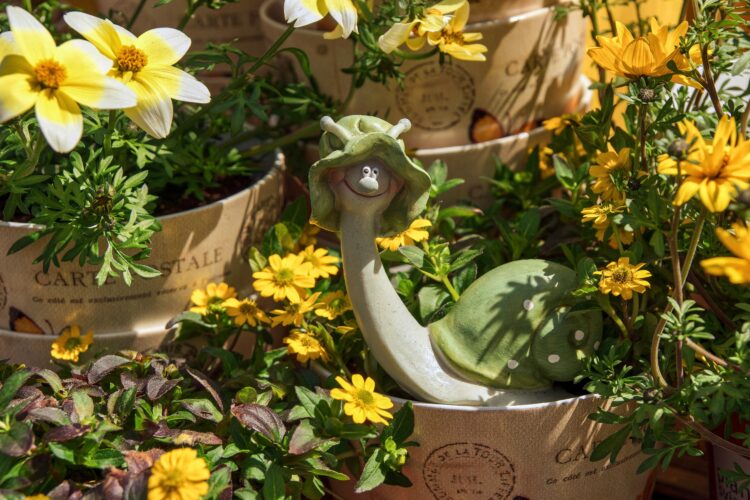
- Turtle pot holders / turtle planters — pots molded or painted to look like a turtle's shell, with the plant "growing" out of the top like a shell garden.
- Hanging turtle pots — turtle-shaped planters designed to hang from a hook or macrame cord, popular for trailing succulents and pothos.
- Succulent turtle pots — small, often ceramic or resin turtle pots sized specifically for succulents and cacti, popular as desk or windowsill decor.
- Pottery and vintage turtle planters — handmade or collectible ceramic turtle pots, including retro styles from past decades that collectors search for specifically (think "vintage turtle flower pot" or "70s turtle planter").
- Sea turtle pots — planters styled after sea turtles rather than land or pond turtles, popular for coastal and beach-house decor themes.
- Turtle pot huggers — small turtle figurines designed to sit on the rim or side of an existing pot, rather than being a planter themselves.
- Novelty and character turtle pots — turtle-shaped pots inspired by pop culture characters, sold alongside more traditional garden-style turtle planters.
Where to Find Turtle Planters
Turtle pots and plants show up across a wide range of retailers, and availability, pricing, and style change constantly, so it's worth checking a few sources directly rather than relying on outdated listings:
- Etsy — the best source for handmade, vintage, and small-batch turtle planters, including crochet turtle plant covers and one-of-a-kind pottery pieces.
- Amazon and Walmart — good for budget-friendly resin and ceramic turtle pots, usually sold in the small-to-medium succulent size range.
- Specialty nurseries — like Happy Turtle Pots and Plants in Thornlands, which combine pots with live plants already selected to suit them.
- General home decor retailers — occasionally carry seasonal turtle planter designs alongside other novelty pots.
Because pricing, reviews, and stock levels change often, it's worth checking current listings and star ratings directly on the retailer's page before buying rather than relying on any single review you find elsewhere.
Best Plants for Turtle-Shaped Pots
Not every plant suits a small, often shallow, novelty pot. The best plants that are happy in pots like these tend to be compact, forgiving of inconsistent watering, and slow-growing enough not to outgrow the container quickly:
- Succulents and cacti — the classic choice for small turtle pots, since they tolerate the limited soil volume and infrequent watering these pots often require.
- Trailing plants like pothos or string of pearls — well suited to hanging turtle pots, where the foliage can spill dramatically over the shell.
- Heuchera — a compact, colorful perennial that also does well in containers; see our full heuchera plant guide for care details.
- Agastache — a pollinator-friendly herb that can work in larger turtle-style planters with good drainage; our agastache plant guide covers its needs.
- Lavender — thrives in pots with excellent drainage; see our guides on lavender plant care and how to plant lavender before choosing a container.
Whatever you choose, make sure the turtle pot actually has (or can have) a drainage hole — many decorative planters are sold without one, in which case it's best used as a cover pot for a plastic nursery pot placed inside rather than for direct planting.
What Live Plants Are Safe for Pet Turtles?
If you searched "happy turtle pots and plants" because you actually keep a pet turtle and want to know which live plants are safe in or around its enclosure, that's a different question entirely — and an important one, since some common houseplants are toxic to turtles if nibbled.
Generally considered safe options for aquatic and semi-aquatic turtle tanks include:
- Anacharis (Elodea) — a fast-growing aquatic plant many turtles enjoy grazing on.
- Water lettuce and water hyacinth — floating plants that provide cover and are generally safe for turtles to nibble.
- Duckweed — a small floating plant many aquatic turtles eat readily.
- Java fern and Java moss — hardy aquatic plants that hold up well even if a turtle isn't particularly interested in eating them.
- Water hyssop (Bacopa) — another commonly recommended aquatic plant for turtle tanks.
For land or basking areas, safe options often include hibiscus (leaves and flowers), dandelion greens, and clover — but toxicity can vary by turtle species, and what's safe for one species isn't always safe for another. Because getting this wrong can seriously harm your pet, always double-check any plant against a current, species-specific list from a herpetological or exotic vet source — a herpetological or exotic-vet source, not a general gardening guide — before adding it to a turtle's tank or enclosure.
Quick FAQ
Is Happy Turtle Pots and Plants a real store?
Yes — it's a small, family-owned nursery in Thornlands, Queensland, Australia, selling pots alongside succulents, cacti, and other plants. The name is also used more broadly online to describe turtle-shaped planters sold by many other sellers.
What plants are good for turtle-shaped pots?
Compact, low-maintenance plants like succulents, cacti, and trailing varieties such as pothos tend to do best, since many turtle pots are small or lack a drainage hole.
What live plants are safe for pet turtles?
Common safe choices include anacharis, duckweed, water lettuce, and Java fern for aquatic tanks, though safety varies by turtle species, so it's worth confirming with a species-specific, vet-reviewed source.
Where can I buy a turtle planter?
Etsy is the best source for handmade or vintage styles, while Amazon and Walmart typically carry budget-friendly resin and ceramic options.
Final Thoughts
Whether you landed here looking for the Thornlands nursery, a cute turtle-shaped pot for your succulents, or a safe live plant for your pet turtle's tank, "happy turtle pots and plants" covers a surprisingly wide corner of the plant world. Pick a pot with real drainage, match it to a plant that can handle a small container, and — if a live turtle is involved — always confirm a plant's safety before it goes anywhere near the tank.
For more plant care guides, check out sneezeweed plant care, the blazing star plant guide, or our Happy Cultures Plant Protein review. You can also visit our homepage for the full library of guides.


0 Comments