Agastache Plant Guide: Hummingbird Mint Care, Varieties & Benefits
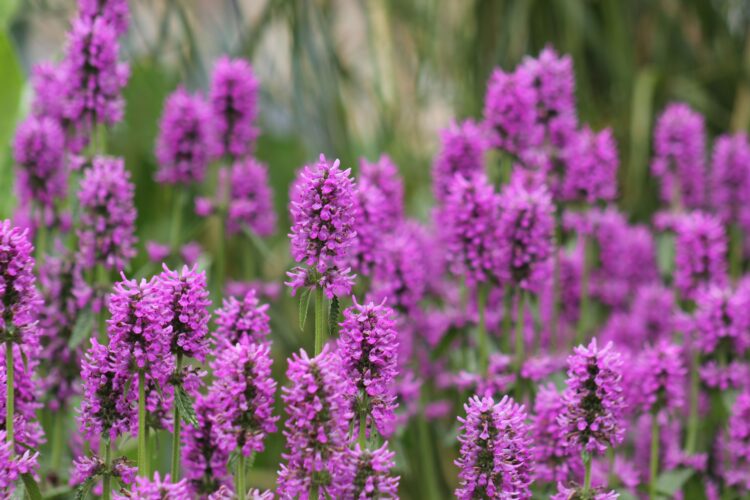
The agastache plant — widely known as hummingbird mint or giant hyssop — is a fragrant, long-blooming perennial beloved by gardeners for its spiky flower stalks and its magnetic pull on hummingbirds, bees, and butterflies. This guide covers how to say its name, popular varieties like Blue Fortune, care tips, benefits, and what to plant alongside it. For more plant care guides, see our homepage.
What Is Agastache Plant?
Agastache (commonly pronounced ag-uh-STAH-kee, though ag-uh-STASH is also widely used) is a genus in the mint family, often called giant hyssop or hummingbird mint for its tall, spiky flower plumes and reputation as a pollinator magnet. Its aromatic foliage — often smelling of anise, licorice, or mint depending on the species — is another defining feature, and several species have a history of culinary and herbal use.
Popular Agastache Varieties
- Agastache 'Blue Fortune' — one of the most widely grown varieties, known for its long-blooming lavender-blue flower spikes and sturdy, well-behaved habit
- Agastache foeniculum (anise hyssop) — a North American native species with a distinct anise scent, popular in pollinator and herb gardens
- Agastache rugosa (Korean mint) — an East Asian species with a long history of culinary and medicinal use
- Agastache mexicana (Mexican hyssop) — known for vivid pink-to-red blooms and a citrusy, minty fragrance
- Royal Raspberry agastache — valued for its rich raspberry-pink flower color
- Beelicious Pink agastache — a compact variety bred specifically for strong pollinator appeal
Agastache Plant Care
Light: Full sun is ideal for the strongest growth and heaviest blooming; agastache tolerates light afternoon shade in especially hot climates.
Soil: Well-draining soil is essential — agastache is quite drought-tolerant once established and is prone to root rot in consistently wet or heavy soil.
Water: Water regularly while young, then reduce watering as the plant matures; overwatering established plants is a more common problem than underwatering.
Perennial or annual: Most agastache varieties are hardy perennials, generally in USDA zones 5–9 depending on the species and cultivar, though some tender varieties are grown as annuals in colder climates.
Deadheading: Removing spent flower spikes encourages continued blooming through summer and into fall.
Winter care: Leaving the dried flower stalks standing over winter provides some cold protection and seed for birds, with a cleanup cutback in early spring.
Agastache Plant Benefits
- Pollinator magnet — hummingbirds, bees, and butterflies are strongly drawn to its nectar-rich, tubular flowers
- Drought tolerance — once established, it needs relatively little supplemental water, making it a good fit for low-water gardens
- Deer resistance — its aromatic foliage makes it less appealing to deer and rabbits than many other perennials
- Culinary and herbal use — species like Agastache foeniculum and Agastache rugosa have a long history of use in teas and cooking for their anise-like flavor
- Long bloom season — many varieties bloom from early summer well into fall with regular deadheading
What to Plant With Agastache
Agastache pairs beautifully with other sun-loving, pollinator-friendly perennials that share similar water needs, such as salvia (for a similar spiky bloom form in contrasting colors), coneflower (echinacea) for bold daisy-like blooms, crocosmia for fiery orange-red accents, lantana for season-long color, catmint for a soft mounding contrast, and columbine for earlier-season interest before agastache hits its stride.
Where to Buy Agastache Plants
If you're looking for agastache plants for sale, a few reliable sources include:
- Local nurseries and garden centers — good for healthy, climate-suited plants and popular named varieties like Blue Fortune
- Proven Winners — carries a range of agastache cultivars and can help locate retailers near you
- Home Depot and similar retailers, which often stock potted agastache in the perennial section
- Online specialty and native-plant nurseries — a good option for species like Agastache foeniculum if you want plants suited to native pollinator gardens
Quick FAQ
Where is the best place to plant agastache?
A full-sun spot with well-draining soil is ideal; it thrives in beds, borders, and pollinator gardens where it can spread its aromatic foliage and spiky blooms without sitting in wet ground.
Does agastache come back every year?
Most varieties are hardy perennials that return year after year in appropriate climate zones, though some more tender species are grown as annuals where winters are especially cold.
Is agastache a perennial or annual?
It depends on the species and your climate — many popular varieties like Blue Fortune are reliable perennials in zones 5–9, while some tender species are best treated as annuals further north.
How do you pronounce agastache?
It's most commonly pronounced ag-uh-STAH-kee, though ag-uh-STASH is also a widely used variant.
Final Thoughts
The agastache plant brings together fragrance, drought tolerance, and some of the best pollinator appeal of any garden perennial, making it a rewarding addition to sunny beds, borders, and herb gardens alike. Whether you choose the reliable Blue Fortune variety or a native species like Agastache foeniculum, it's a plant that gives back generously for very little maintenance.
For more plant guides, explore plants that bring happiness and what a happy plant actually means. You can also learn more about us or get in touch with questions, or visit our homepage for more plant care guides.


0 Comments