Blazing Star Plant Guide: Care, Bulbs, Bloom Time & Companion Plants
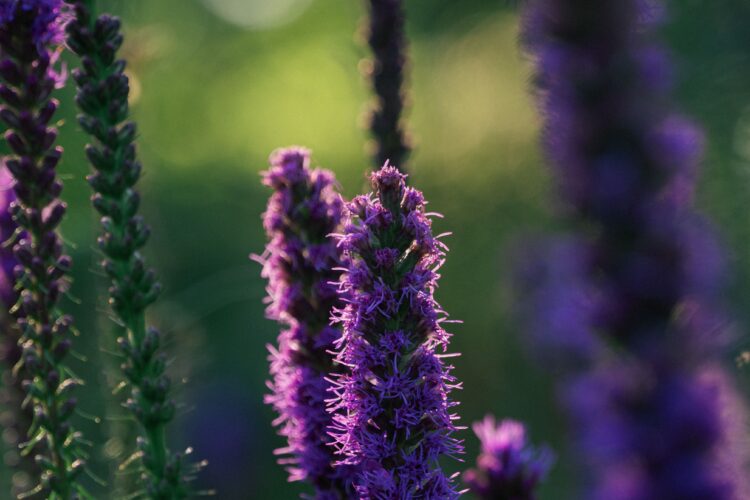
The blazing star plant — also known by its botanical name Liatris, or the common name gayfeather — is a striking native perennial known for its tall, upright spikes of fuzzy purple flowers that bloom top-down, unlike most spike-form flowers. This guide covers how and when to plant blazing star bulbs and seeds, popular varieties, bloom time, whether it spreads, and the best companion plants for a prairie-style garden. For more plant care guides, see our homepage.
What Is a Blazing Star Plant?
Blazing star belongs to the genus Liatris, a group of North American prairie natives prized for their dense, bottlebrush-like flower spikes and strong appeal to pollinators, especially butterflies and bees. Unlike most spiked flowers that bloom bottom-up, Liatris blooms from the top of the spike downward, giving it a distinctive look in the garden. It's a low-maintenance, drought-tolerant perennial once established, making it a popular choice for native, pollinator, and prairie-style plantings.
Popular Blazing Star Varieties
- Prairie blazing star (Liatris pycnostachya) — a tall variety, often reaching 3–5 feet, well-suited to open prairie-style plantings
- Dense blazing star (Liatris spicata) — one of the most widely available and commonly grown varieties, known for its tightly packed flower spikes; also called meadow blazing star
- Rough blazing star (Liatris aspera) — distinguished by more rounded, button-like flower clusters spaced along the stem rather than a single dense spike
- Purple blazing star (gayfeather) — a general term often used for the classic purple-flowered forms most common in garden centers
When to Plant Blazing Star Bulbs
Blazing star grows from a corm (often sold and referred to informally as a "bulb"). The best planting window is in spring, after the danger of hard frost has passed, giving the corms a full growing season to establish before winter. Fall planting is possible in milder climates but spring is generally the safer, more reliable option for most gardeners.
How to Plant Blazing Star Bulbs
- Choose a full-sun location with well-draining soil — blazing star doesn't tolerate soggy, poorly drained ground well
- Plant corms about 3–4 inches deep, with the knobby, rounded side facing down
- Space corms roughly 8–12 inches apart to allow for mature clump growth
- Water in well after planting, then keep the soil lightly moist (not wet) until shoots emerge
When to Plant Blazing Star Seeds
Blazing star seeds generally benefit from cold stratification to break dormancy and improve germination. Many gardeners sow seeds outdoors in fall so they naturally stratify over winter, or artificially cold-stratify seeds in a refrigerator for several weeks before sowing indoors in late winter for spring transplanting. Seed-grown blazing star typically takes longer to reach flowering size compared to plants grown from corms.
When Does Blazing Star Bloom?
Blazing star typically blooms in mid-to-late summer, often from July through September depending on variety and climate, with the fuzzy purple flower spikes opening from the top downward over several weeks. This makes it a valuable source of color and pollinator forage in the later part of the growing season, when many spring bloomers have already finished.
Does Blazing Star Spread?
Blazing star spreads modestly through its corms multiplying underground over time, gradually forming larger clumps, but it isn't considered an aggressively invasive spreader in most garden settings. It can also self-seed to a limited degree if flower heads are left to go to seed, so deadheading spent blooms is an easy way to control any unwanted spread if that's a concern.
Blazing Star Companion Plants
Blazing star's upright form and late-summer bloom time make it a natural fit in native and prairie-style plantings alongside:
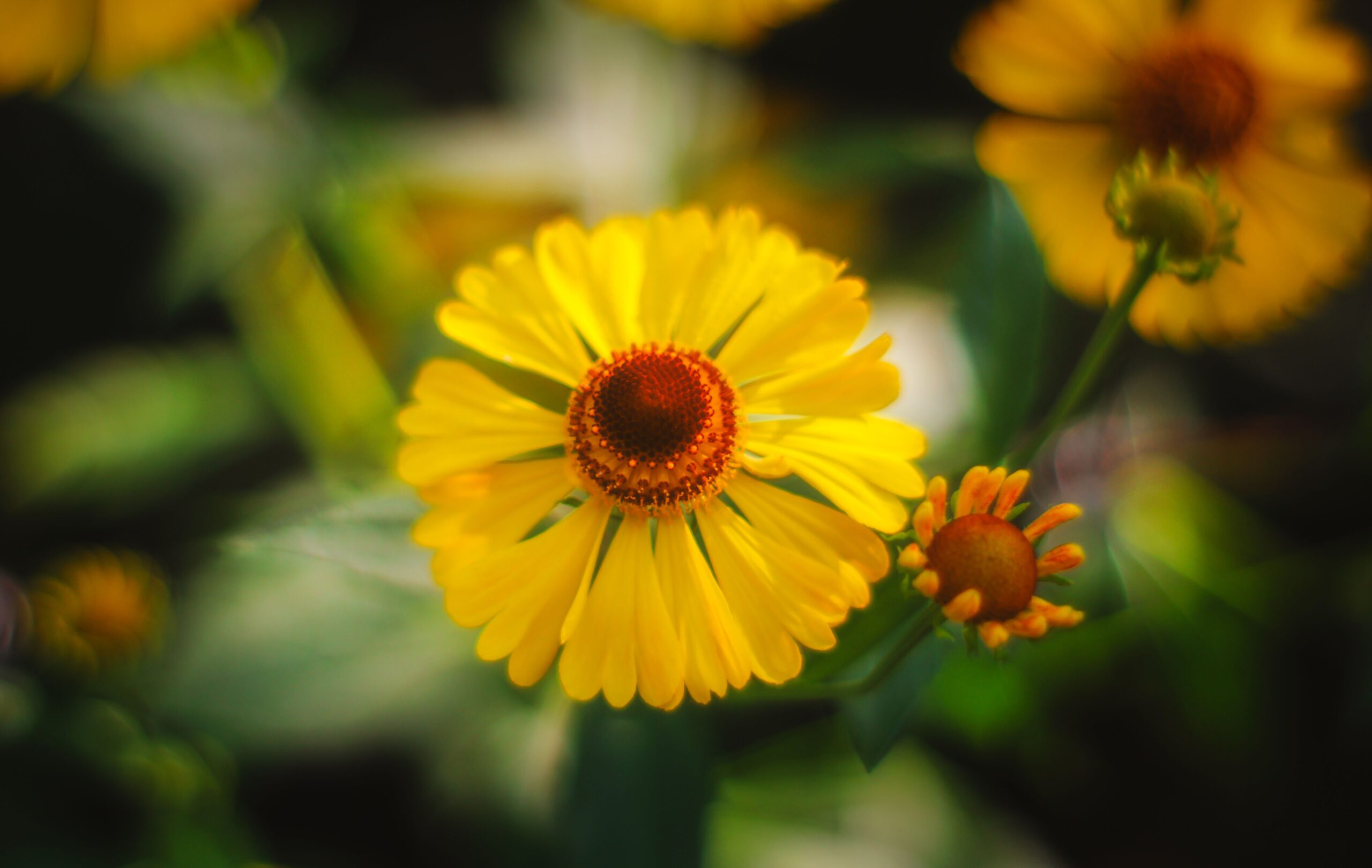
- Lanceleaf coreopsis — bright yellow daisy-like blooms that contrast nicely with blazing star's purple spikes
- Wild geranium — an earlier-blooming native that fills color gaps before blazing star peaks
- Aromatic aster — extends bloom interest into fall after blazing star finishes
- Eryngium planum (sea holly) — its spiky, steel-blue blooms add striking textural contrast
- Ironweed — another tall, late-summer prairie native with a similar bold, upright presence
- Snapdragons — a common garden pairing for gardeners blending native prairie plants with more traditional bedding flowers
Quick FAQ
How do you plant blazing star bulbs?
Plant corms 3–4 inches deep with the knobby side facing down, in full sun with well-draining soil, spaced 8–12 inches apart.
When does blazing star bloom?
Most varieties bloom in mid-to-late summer, typically from July through September, flowering from the top of the spike downward.
Does blazing star spread aggressively?
No — it spreads modestly through its corms and limited self-seeding, but it isn't considered an aggressive or invasive spreader in most garden settings.
What's the difference between prairie and dense blazing star?
Prairie blazing star tends to grow taller with a looser spike, while dense blazing star (Liatris spicata) has a more tightly packed, uniform flower spike and is the more commonly available variety at nurseries.
Final Thoughts
The blazing star plant brings bold, upright color to the late-summer garden when many other perennials are winding down, all while asking for very little beyond full sun and decent drainage. Whether you plant it from corms for a quicker payoff or grow it from seed for a larger-scale native planting, it's a rewarding, pollinator-friendly addition to prairie gardens, borders, and cut-flower beds alike.
For more plant guides, explore plants that bring happiness and what a happy plant actually means. You can also learn more about us or get in touch with questions, or visit our homepage for more plant care guides.

0 Comments