Sneezeweed: The Complete Guide to Growing, Caring For, and Controlling This Native Beauty
Few plants split gardeners' opinions like the sneezeweed plant. To some, it's a must-have native perennial that lights up the late-summer border with daisy-like blooms in gold, copper, and burgundy. To others, the name alone is enough to make them reach for the tissues. This guide covers everything from identification and growing conditions to the questions gardeners ask most: is sneezeweed invasive, does it spread, do deer eat it, and how to get rid of bitter sneezeweed if it shows up uninvited. For more plant care guides, see our homepage.
What Is Sneezeweed?
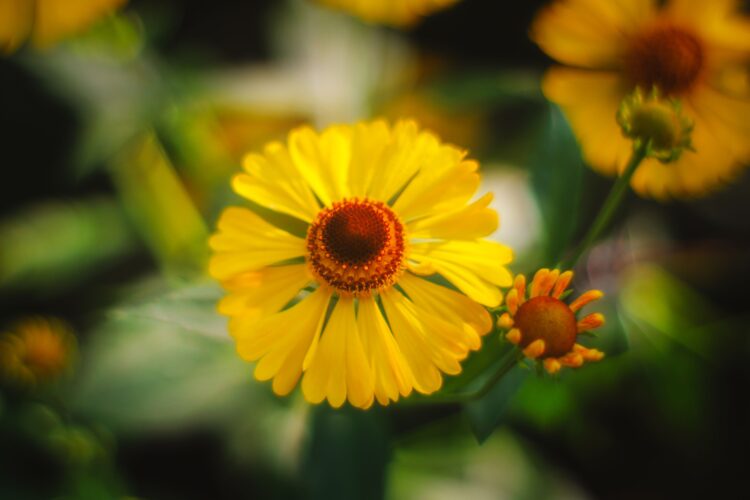
Sneezeweed is the common name for plants in the genus Helenium, part of the aster (Asteraceae) family. When people say "sneezeweed," they usually mean Helenium autumnale, or common sneezeweed — a North American native perennial prized for its cheerful, button-centered flowers that bloom from late summer into fall. You'll also hear the name attached to related plants and cultivars, including bitter sneezeweed, purple-headed sneezeweed, and Virginia sneezeweed. All share the same distinctive flower shape: a raised, ball-like central disc surrounded by drooping, fan-shaped petals.
Why Is It Called Sneezeweed?
This is one of the most common questions people ask, and the answer is surprising: sneezeweed doesn't actually cause sneezing in most people. The name comes from history, not allergies. Dried, crushed sneezeweed leaves were once used as a snuff to induce sneezing, on the belief that this helped clear the head of colds and congestion. Its pollen is heavier and stickier than wind-pollinated plants like ragweed, so it relies on insects rather than air currents to spread — meaning it isn't a major contributor to seasonal allergies the way its name suggests.
Is Sneezeweed Poisonous?
Yes — despite its cheerful appearance, sneezeweed is considered toxic if ingested, particularly to livestock. All parts of the plant contain bitter-tasting compounds that can cause illness in grazing animals if eaten in quantity. This bitterness is protective for the plant, discouraging browsing animals from eating it, and is also part of why sneezeweed is so reliably deer resistant.
Sneezeweed Height, Leaves & Appearance
- Sneezeweed height: Most common sneezeweed varieties grow 3 to 5 feet tall, though compact cultivars stay closer to 2 to 3 feet.
- Sneezeweed leaves: Lance-shaped, toothed along the edges, and arranged alternately along sturdy, winged stems.
- Sneezeweed flower: A raised, globe-like central disc surrounded by wedge-shaped, drooping ray petals in gold, copper, or burgundy tones.
Sneezeweed Native Range
Sneezeweed's native status is one of its biggest selling points for pollinator gardeners. Common sneezeweed is native to most of North America, particularly the eastern and central United States and parts of Canada, where it naturally grows in wet meadows, along stream banks, and in low-lying fields. Because it's native across such a wide range, it's an excellent choice for naturalized plantings, rain gardens, and pollinator-friendly landscapes.
Sneezeweed Growing Conditions & Bloom Time
- Light: Full sun to partial shade; full sun produces the most flowers and sturdiest stems.
- Soil: Moist, humus-rich soil. Sneezeweed tolerates wet feet better than most perennials, making it ideal for rain gardens and pond edges.
- Water: Consistent moisture is key — this is not a drought-tolerant plant.
- Bloom time: Late summer through fall, typically August into October, giving pollinators a valuable nectar source late in the season.
- Spacing: Plant 18–24 inches apart to allow for airflow and mature spread.
Taller varieties benefit from staking or a mid-season pinch-back to encourage bushier, sturdier growth and prevent flopping.
Growing Sneezeweed Seedlings from Seed
- Start seeds indoors 6–8 weeks before your last expected frost, or sow directly outdoors once frost danger has passed.
- Press seeds lightly into the soil surface — they need light to germinate, so don't bury them deeply.
- Keep the soil consistently moist until germination, which usually takes 10–20 days.
- Once sneezeweed seedlings have their first true leaves, thin or transplant them to their final spacing.
Does Sneezeweed Need Cold Stratification?
Many strains of common sneezeweed germinate readily without any cold treatment, especially fresh seed sown directly outdoors in fall. However, stored seed or seed from wild-collected native populations often shows improved, more uniform germination after cold stratification — typically 2–4 weeks of moist, refrigerated storage before sowing. If you're unsure, stratifying is a low-effort step that can only help.
Does Sneezeweed Spread?
Yes, sneezeweed does spread, and gardeners should plan for this when placing it in a bed. It spreads through abundant self-seeding in favorable, moist conditions, and through the slow widening of its root clumps over time. Established clumps can be divided every 2–3 years to control size and rejuvenate the plant. Occasional deadheading limits unwanted self-seeding.
Is Sneezeweed Invasive?
Common sneezeweed (Helenium autumnale) is native to North America and is not classified as an invasive species there — it's a true native wildflower. That said, two nuances are worth knowing. First, aggressive spreading isn't the same as invasive; even native plants can spread vigorously in ideal moist, sunny conditions. Second, bitter sneezeweed behaves differently — as a fast-spreading annual, it's the species most often responsible for sneezeweed's "weedy" reputation in pastures and lawns.
Bitter Sneezeweed: A Different Story
Bitter sneezeweed (Helenium amarum) is worth calling out separately. It's a low-growing annual with thread-like leaves and small yellow flowers, commonly found in overgrazed pastures, roadsides, and lawns across the southeastern and south-central United States. Its bitterness can taint the milk of dairy cattle that graze on it, making it a genuine agricultural concern.
How to Get Rid of Bitter Sneezeweed
- Improve pasture or lawn density — bitter sneezeweed thrives in thin, overgrazed, or bare patches, so reseeding and proper mowing height crowd it out.
- Hand-pull isolated plants before they set seed, ideally in spring when they're young.
- Mow before flowering to prevent seed production.
- Use a selective broadleaf herbicide labeled for pastures or lawns if the infestation is heavy, following label directions carefully.
- Improve soil drainage and fertility, since bitter sneezeweed often signals compacted or nutrient-poor soil.
- Monitor and repeat over two or three seasons to exhaust the seed bank.
Do Deer Eat Sneezeweed?
Good news for gardeners battling deer pressure: deer generally avoid sneezeweed, making it a reliably deer-resistant choice for the landscape. The same bitter, toxic compounds that make it unappealing to livestock also make it unappealing to deer and rabbits, which is part of why it's become popular in naturalized plantings in areas with heavy deer traffic.
Sneezeweed Uses
- Pollinator support: Late-season blooms are an important nectar and pollen source for bees and butterflies.
- Cut flowers: Sturdy stems and long-lasting blooms make it popular in fall arrangements.
- Rain gardens: Its tolerance for moist soil makes it valuable for erosion control and wet-area landscaping.
- Historical medicinal uses: Dried sneezeweed was historically used as a snuff, though this isn't recommended today given the plant's toxicity.
Popular Sneezeweed Varieties
- 'Moerheim Beauty' — deep copper-red blooms
- 'Mardi Gras' — multicolor blooms in yellow, orange, and red on a single plant
- 'Salsa' — compact, deep red flowers
- 'Sahin's Early Flowerer' — early-blooming with orange-red petals
- 'Chelsey' — bright orange with a dark center
Quick FAQ
Why is it called sneezeweed?
Historically, dried leaves were crushed into snuff to induce sneezing as a folk remedy for congestion — not because the living plant makes people sneeze.
Is sneezeweed an annual or perennial?
Common sneezeweed (Helenium autumnale) is a herbaceous perennial. Bitter sneezeweed (Helenium amarum) is an annual that relies entirely on seed to return each year.
Is sneezeweed invasive?
Common sneezeweed is native to North America and not classified as invasive, though it can spread vigorously in moist, sunny conditions. Bitter sneezeweed is often treated as a weed in pastures.
Do deer eat sneezeweed?
Rarely — its bitter, toxic compounds make it one of the more reliably deer-resistant perennials for the garden.
Final Thoughts
Sneezeweed is a plant of contrasts: native and beneficial in one form, weedy and unwelcome in another. Understanding which sneezeweed you're dealing with — ornamental common sneezeweed or the pasture-invading bitter sneezeweed — makes all the difference in how you approach it. Grown intentionally, common sneezeweed and its many helenium cultivars offer months of late-season color, reliable deer resistance, and real value to pollinators.
For more plant guides, explore plants that bring happiness and what a happy plant actually means. You can also learn more about us or get in touch with questions, or visit our homepage for more plant care guides.

0 Comments