Heuchera Plant Guide: Coral Bells Care, Varieties & Buying Tips
The heuchera plant, better known by its common name coral bells, is a shade-loving perennial grown mainly for its richly colored, ruffled foliage rather than its flowers. This guide covers how to pronounce and care for heuchera, popular varieties like Caramel, Palace Purple, and Citronelle, how to divide and propagate it, and whether it's safe around dogs. For more plant care guides, see our homepage.
What Is a Heuchera Plant?
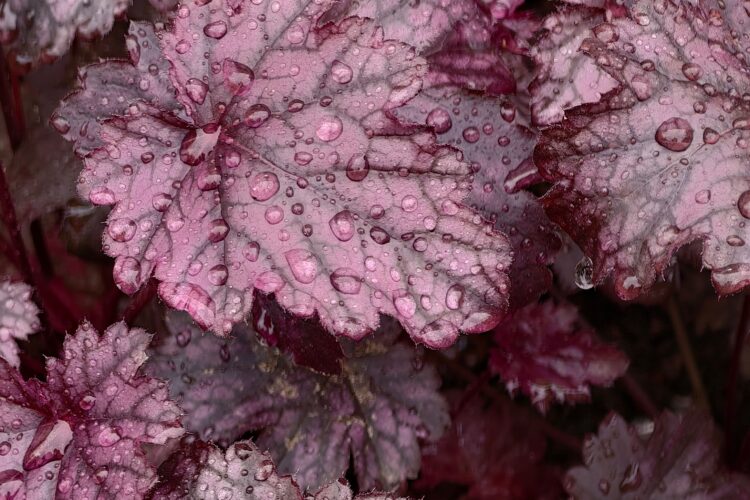
Heuchera (pronounced HYOO-ker-uh) is a genus of perennials commonly called coral bells, prized for their mounding rosettes of colorful, often ruffled leaves in shades ranging from lime green and caramel to deep purple and near-black. In late spring to early summer, they send up thin, wiry stems topped with small bell-shaped flowers — a bonus, though most gardeners grow heuchera primarily for its year-round foliage color.
Heuchera Plant Care
Light: Heuchera generally does best in partial shade to full shade, though many modern varieties — especially lighter-colored ones like lime and caramel shades — tolerate more sun, particularly in cooler climates. Darker purple varieties often hold their color best out of intense afternoon sun.
Soil: Rich, well-draining soil with consistent moisture supports the healthiest foliage; heuchera doesn't like to sit in soggy ground.
Water: Water regularly, especially during the first growing season, then maintain even moisture — heuchera isn't particularly drought-tolerant once established.
Hardiness: Most heuchera varieties are hardy perennials, typically thriving in USDA zones 4–9 depending on the cultivar.
Winter care: Foliage often persists through mild winters; in colder zones, a layer of mulch helps protect the crown, and any winter-damaged leaves can be trimmed back in early spring.
Containers: Heuchera grows well in pots, making it a popular choice for shaded patio containers and mixed planters.
Popular Heuchera Varieties
Part of heuchera's appeal is the sheer range of foliage colors available. Some especially popular varieties include:
- Heuchera Caramel — warm amber-orange foliage that shifts subtly with the seasons
- Palace Purple heuchera — one of the most classic varieties, with deep purple-bronze leaves
- Heuchera Citronelle — bright, glowing lime-green foliage that adds striking contrast to shade gardens
- Black Pearl heuchera — near-black, deeply saturated foliage for dramatic contrast
- Marmalade and Georgia Peach — warm orange-peach tones that pair well with caramel varieties
Mixing several color varieties together is a popular way to create a layered, tapestry-like effect in shaded beds and borders.
What to Plant With Heuchera
Heuchera pairs especially well with other shade-tolerant perennials that share similar moisture and light needs, such as astilbe (for feathery, contrasting flower plumes), hellebores (for early-season blooms), hostas (for bold leaf texture), and ferns. Its close hybrid relative, × heucherella (a cross between heuchera and tiarella), is also a popular companion with a similar look and care routine.
How to Divide Heuchera Plants
Dividing heuchera every 3–4 years helps keep plants vigorous, since older clumps can become woody at the center. To divide:
- Dig up the whole clump in early spring or fall, when temperatures are mild
- Gently separate it into smaller sections, each with healthy roots and a few leaf rosettes attached
- Discard any old, woody center growth that looks tired or unproductive
- Replant divisions promptly at the same soil depth they were growing at before, and water well
How to Propagate Heuchera Plants
Beyond division, heuchera can also be propagated from stem or leaf cuttings, though division is generally the easiest and most reliable method for home gardeners. For cuttings, take a healthy stem section with a few leaves attached, root it in a moist potting mix or water, and keep it in bright, indirect light until new roots establish before transplanting.
Are Heuchera Plants Poisonous to Dogs?
Heuchera is generally considered non-toxic to dogs according to common pet-safety plant lists, making it a popular choice for pet-friendly gardens. That said, it's always a good idea to discourage pets from regularly chewing on garden plants, and to check with a veterinarian if your dog shows any unusual symptoms after contact with a plant, since individual sensitivities can vary.
Where to Buy Heuchera Plants
If you're looking for heuchera plants for sale, a few good sources include:
- Local nurseries and garden centers — often the best source for healthy, climate-suited plants and named varieties
- Proven Winners — carries a wide range of popular heuchera cultivars and can help locate retailers near you
- Home Depot and similar retailers, which regularly stock potted heuchera in the shade perennial section
- Online specialty nurseries — useful for tracking down specific named varieties like Citronelle or Caramel
Quick FAQ
What is the common name for heuchera?
It's most commonly known as coral bells, named for its small, bell-shaped flowers.
Is heuchera full sun or shade?
Most varieties prefer partial to full shade, though some lighter-foliage cultivars tolerate more sun, especially in cooler climates.
Are heuchera plants poisonous to dogs?
Heuchera is generally considered non-toxic to dogs on common pet-safety plant lists, though it's still best to discourage regular chewing on any garden plant.
How do you divide a heuchera plant?
Dig up the clump in early spring or fall, gently separate it into sections with healthy roots and leaves, discard any woody center growth, and replant promptly.
Final Thoughts
The heuchera plant earns its popularity through color alone — few shade perennials offer this much year-round foliage variety, from deep Palace Purple to glowing Citronelle lime green. With the right light, consistent moisture, and an occasional division every few years, coral bells reward minimal effort with a long-lasting, colorful presence in beds, borders, and containers.
For more plant guides, explore plants that bring happiness and what a happy plant actually means. You can also learn more about us or get in touch with questions, or visit our homepage for more plant care guides.


0 Comments