Syngonium: The Complete Care Guide to the Arrowhead Plant
Syngonium — better known as the arrowhead plant — is one of the most popular low-maintenance houseplants around, prized for its arrow-shaped leaves, easygoing nature, and the way its foliage shifts shape as it matures. This guide covers everything from syngonium care and syngonium varieties to propagation, common problems, and whether it's safe to keep around cats. For more houseplant guides, visit our homepage.
What Is Syngonium?
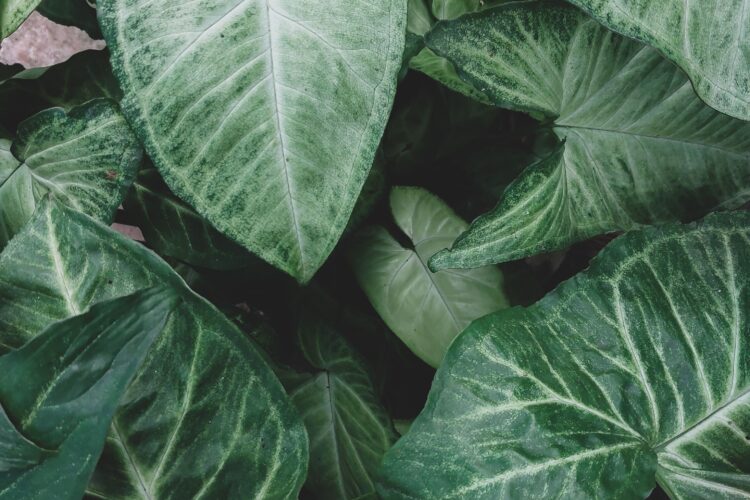
Syngonium is a genus of tropical vining plants native to Central and South America, with Syngonium podophyllum being the most widely grown species in homes worldwide. Young plants start out with simple, arrow-shaped (sagittate) leaves — which is where the common name "arrowhead plant" comes from — and as the plant matures and begins to climb, the leaves often become more deeply lobed and dramatically shaped. Left to its own devices, syngonium is naturally a climbing plant, using aerial roots to attach to trees and other supports in its native rainforest habitat.
Is Syngonium a Good Indoor Plant?
Yes — syngonium is widely considered one of the best low-maintenance indoor plants available. It tolerates a range of light conditions, doesn't demand a strict watering schedule, and adapts well to being grown in a hanging basket, trained up a moss pole, or kept compact on a shelf. Its combination of easy care and striking, varied foliage is a big part of why it's become such a popular choice for both new and experienced plant owners.
Syngonium Varieties
Part of syngonium's popularity comes from the sheer number of cultivars available, each with distinct leaf color and patterning. Some of the most sought-after include:
- Syngonium podophyllum — the classic species and the parent of most cultivated varieties, typically with green, arrow-shaped leaves.
- Syngonium albo — a highly prized variegated variety with crisp white and green patterning on each leaf; it commands a premium price due to its slower growth and unstable variegation.
- Pink syngonium (Syngonium pink / Pink Splash) — varieties with pink, salmon, or blush-toned leaves, ranging from subtle pink speckling to nearly all-pink foliage depending on the cultivar.
- Syngonium White Butterfly — one of the most common variegated types, with pale green-and-cream leaves shaped like a butterfly.
- Syngonium wendlandii — a velvety-leaved species with a distinctive silver stripe along the center of each leaf.
- Syngonium Mojito — known for its speckled, splattered green-and-cream variegation pattern.
- Syngonium angustatum — a species with narrower, more elongated leaves than the typical podophyllum shape.
New variegated forms are released regularly by collectors and breeders, so the list of named syngonium varieties continues to grow well beyond these popular staples.
Syngonium Care
Syngonium is forgiving, but it does best with a few consistent basics:
- Light: Bright, indirect light is ideal. Variegated types like syngonium albo and pink varieties need more light than solid green forms to maintain their coloring — too little light and the variegation can fade or revert to green.
- Water: Water when the top inch or two of soil has dried out. Syngonium prefers consistent moisture but is sensitive to sitting in soggy soil, which quickly leads to root rot.
- Humidity: As a tropical plant, syngonium appreciates higher humidity, though it will still grow reasonably well in average home conditions.
- Soil: A well-draining, chunky houseplant mix — a standard potting mix amended with perlite or orchid bark works well.
- Fertilizer: Feed with a balanced liquid houseplant fertilizer every 4–6 weeks during the growing season (spring through summer), tapering off in fall and winter when growth naturally slows.
- Temperature: Average indoor temperatures suit syngonium well; it doesn't tolerate frost or cold drafts.
Do Syngoniums Climb?
Yes — syngonium is naturally a climbing vine in its native habitat, and it will climb readily indoors if given a support like a moss pole or trellis. Young plants often start out more compact and bushy-looking, especially when regularly pruned, but if left unpruned they'll send out long vining stems and use aerial roots to grip onto whatever support is nearby. Giving a syngonium something to climb tends to encourage larger, more mature-shaped leaves compared to letting it trail or sprawl.
Why Is My Syngonium Drooping?
A drooping syngonium is almost always a sign of a watering or environmental issue rather than a serious problem. The most common causes include:
- Underwatering: If the soil has been completely dry for a while, leaves will droop as a stress response — this usually perks back up within a day of a thorough watering.
- Overwatering or root rot: Ironically, overly wet, soggy soil can also cause drooping, since damaged roots can no longer take up water properly. Check the roots if drooping continues even after watering.
- Low humidity or heat stress: Very dry air or a spot too close to a heater or hot window can cause leaves to droop and crisp at the edges.
- Recent repotting or transplant shock: It's normal for a syngonium to droop temporarily after being repotted, and it usually recovers within a week or two.
- Cold drafts: Sudden exposure to cold air, such as from a drafty window in winter, can also cause wilting.
Check the soil moisture first, since that's the most common culprit, then work through the other possibilities if watering doesn't solve it.
Is Syngonium Toxic to Cats?
Yes — syngonium is toxic to cats, as well as dogs. Like many members of the Araceae (aroid) family, it contains insoluble calcium oxalate crystals, which cause irritation to the mouth, tongue, and throat if chewed, along with drooling, vomiting, and difficulty swallowing in more serious cases. It's best kept out of reach of pets that like to chew on houseplants — a hanging basket, high shelf, or a moss pole trained plant well out of paw's reach are all practical ways to reduce access while still enjoying it indoors.
Syngonium Propagation
Propagating syngonium is straightforward, which is part of why it's such a popular plant to trade and share among plant enthusiasts.
How to Propagate Syngonium
- Choose a healthy stem with at least one node (the small bump where aerial roots or leaves emerge) and 2–3 leaves.
- Using clean, sharp scissors or pruning shears, cut just below a node.
- Place the cutting in water, making sure the node is submerged while the leaves stay above the waterline — this is syngonium propagation in water, the most common method.
- Set the cutting somewhere with bright, indirect light and change the water every few days.
- Roots typically begin appearing within 1–3 weeks; once they're a couple of inches long, the cutting can be potted into soil.
A cutting genuinely needs a node to root — a leaf alone, with no node attached, will generally not produce a new plant, since the node is where new root and shoot growth originates. Syngonium can also be propagated by division when repotting an established plant with multiple stems, simply separating the root ball into sections that each have their own stems and roots.
Can Syngonium Grow in Water Long-Term?
Yes — beyond just propagation, syngonium can be grown indefinitely in water as a semi-hydroponic houseplant, which is part of why "syngonium plant in water" is such a popular search. It's a low-mess option that works well in a simple glass vase, though plants grown this way generally grow a bit slower than those in soil and benefit from an occasional diluted liquid fertilizer added to the water.
Syngonium Plant Benefits
- Air quality: Like many houseplants, syngonium contributes to a bit of natural air filtering as part of a broader indoor plant collection.
- Low-maintenance greenery: Its tolerance for a range of light levels and forgiving watering needs makes it a reliable, attractive plant for busy plant owners.
- Versatile styling: It works equally well trailing from a hanging basket, climbing a moss pole, or kept compact on a desk.
- Symbolism: In feng shui and some folk traditions, the arrowhead plant is associated with growth, prosperity, and positive energy, and it's sometimes kept as what's considered a "lucky plant" in the home — though this is a matter of tradition and personal belief rather than anything scientifically established.
Quick FAQ
Is Syngonium a good indoor plant?
Yes — it's a popular, low-maintenance choice that tolerates a range of light levels and adapts well to hanging, climbing, or compact styling.
Does Syngonium need sunlight?
It needs bright, indirect light to thrive, especially variegated varieties, but it can tolerate lower light levels, though growth will slow and variegation may fade.
Are syngoniums toxic to cats?
Yes — syngonium contains calcium oxalate crystals that are toxic to cats and dogs if chewed or ingested, and it should be kept out of reach of curious pets.
Will syngonium root in water?
Yes — stem cuttings with a node root readily in water, typically within 1–3 weeks, and syngonium can even be grown long-term in water rather than soil.
How fast does Syngonium grow?
Under good light and consistent care, syngonium is a moderately fast grower during the growing season, often producing new leaves every couple of weeks in spring and summer.
Final Thoughts
Syngonium earns its popularity honestly — it's forgiving, versatile, and offers an enormous range of leaf colors and patterns to collect, from the classic green podophyllum to the sought-after syngonium albo and pink varieties. Give it bright indirect light, don't let it sit in soggy soil, and keep it away from pets that like to chew, and it will reward you with fast, easy growth for years.
For more plant care guides, check out our heuchera plant guide, agastache plant guide, or our guides on lavender plant care and how to plant lavender. Visit our homepage for the full library of plant guides.



0 Comments