Happy House Plant: The Ultimate Guide to Keeping Your Indoor Jungle Thriving
A happy house plant isn't just one that's technically alive — it's one that's actively pushing out new leaves, holding its color, and generally looking like it wants to be in your home. Getting there takes more than an occasional splash of water. In this guide, we'll walk through what actually keeps houseplants happy, look at popular products people search for by name (including the viral Happy Happy Houseplant line and Happy Frog potting soil), cover budget-friendly ways to build a collection, and answer the most common questions people ask about houseplants and happiness — including a few of the honest downsides nobody puts on the plant tag.
What Makes a Houseplant "Happy"?
A genuinely happy houseplant checks a handful of boxes: the right amount of light for its species, soil that drains well but holds enough moisture, a pot with drainage holes, occasional feeding during the growing season, and freedom from pests and drafts. Most houseplant problems — yellowing leaves, leggy growth, dropped foliage — trace back to getting one of these basics wrong rather than the plant simply being "difficult."
How to Keep House Plants Happy
- Match light to the plant. Research your specific plant's light needs (low, medium, bright indirect, or direct sun) rather than guessing — this single factor causes more houseplant failure than anything else.
- Water on a check-first schedule. Stick a finger an inch or two into the soil before watering rather than watering on a fixed calendar; most houseplant deaths come from overwatering, not underwatering.
- Feed during the growing season. Houseplants generally grow most actively from spring through early fall and can go dormant or slow down in winter, so scale back feeding in the colder months.
- Keep leaves clean. Dust blocks light absorption; wiping leaves down periodically helps plants photosynthesize efficiently.
- Repot before plants get rootbound. Roots circling tightly around the base of the pot are a sign it's time to size up.
How to Keep House Plants Happy in Winter
Winter is the season most houseplants quietly struggle, mainly due to lower light levels, dry heated air, and cold drafts near windows and doors. A few adjustments help:
- Move plants closer to your brightest window, since daylight hours and intensity both drop in winter.
- Water less frequently — most houseplants use less water when growth slows down.
- Run a humidifier or group plants together to counteract dry indoor heating.
- Keep plants away from cold windowpanes and heating vents, both of which create temperature swings plants don't appreciate.
- Hold off on fertilizing most houseplants until active growth resumes in spring.
Do Houseplants Make You Happier?
There's a reason "plant parent" culture has taken off, and it's not purely aesthetic. Multiple studies on indoor plants and wellbeing have found associations between having plants in a space and lower reported stress, improved mood, and greater feelings of calm — likely a mix of the calming effect of caring for something living, the visual appeal of greenery, and the sense of accomplishment that comes from watching a plant grow under your care. Some research also points to modest air-quality benefits, though the effect size for typical home plant collections is much smaller than headlines sometimes suggest. Practically speaking, most people report the psychological and routine-building benefits — a daily excuse to slow down and check on something — as the biggest mood boost, more than any measurable change in air chemistry.
If you've ever wondered why houseplants improve your mood even on a rough day, it likely comes down to a combination of nurturing routine, sensory engagement with nature, and the small, regular wins of new growth. For a deeper look at the psychology behind it, see our piece on whether plants really make you happy.
Happy Happy Houseplant: The Brand Behind the Viral Plant Care Products
If your search led you here, there's a good chance you've come across Happy Happy Houseplant, a plant-care brand founded by Mandi, who built the company after starting out as a self-described plant killer and turning her trial-and-error into a line of beginner-friendly care products. The brand has built a large following on TikTok and Instagram around approachable, no-jargon plant care advice.
Happy Happy Houseplant Product Lineup
| Product | What it does |
|---|
| Plant Food | A liquid fertilizer concentrate with both macro and micronutrients, designed to be added in small doses every time you water rather than on a strict monthly schedule. |
| Fungus Gnat Death Drops | A soil-level microbial insecticide using Bacillus thuringiensis subsp. israelensis, a naturally occurring bacterium that targets fungus gnat larvae before they mature into adults. |
| Leaf Cleanse | A pre-mixed, neem-based leaf spray meant to lift dust and grime without leaving greasy residue. |
| Hydration Renew | A soil-wetting booster designed to help water soak evenly into dry, compacted, or hydrophobic potting soil. |
| Soil Refresh | An enzyme treatment meant to break down old root matter and refresh potting mix between repots. |
| Root Boost | A once-a-year mycorrhizal fungi treatment intended to support root development and nutrient uptake. |
Is Happy Happy Houseplant Legit?
Yes — it's an established, actively operating brand with its own e-commerce site, a real founder with a public presence, and products that are also carried by independent plant shops around the country. That doesn't mean every product will be a must-have for every plant owner, but it isn't a fly-by-night operation.
Is Happy Happy Houseplant Worth It?
Whether the line is worth it comes down to how it compares to generic alternatives you may already use. The Plant Food is a fairly standard water-soluble fertilizer blend delivered in a beginner-friendly dosing format; the Death Drops use the same active ingredient (Bti) found in many commercial mosquito dunk and fungus gnat products, just repackaged and dosed for houseplant use. If you value simple, pre-measured dosing and don't mind paying a bit of a premium for the packaging and guidance, it can be a good fit — especially for newer plant owners who find generic fertilizer math intimidating. If you're comfortable measuring your own dilutions, generic equivalents of most of these products exist at a lower price point.
Happy Happy Houseplant on Amazon and Where to Buy
Beyond the brand's own website, individual products sometimes surface on Amazon and through independent plant shop stockists, though availability and pricing can vary by seller. Buying directly from the brand's official site is generally the safest way to guarantee you're getting current formulations and any active discount codes, including creator affiliate codes that are frequently shared on TikTok and Instagram.
Is Happy Frog Soil Good for House Plants?
"Happy Frog" is a well-known potting soil line from FoxFarm, not to be confused with the "Happy Happy Houseplant" brand above. It's an organic-leaning mix built around aged forest products, earthworm castings, and bat guano, amended with beneficial soil microbes intended to improve root efficiency and nutrient uptake. It's widely used for container houseplants, and many growers like it specifically because it's lighter and more forgiving of overwatering than dense, generic potting mixes. A few practical notes if you're considering it: it's rich enough that you generally shouldn't fertilize a freshly potted plant for several weeks, some growers find it benefits from added perlite for extra drainage with fussier aroids like monstera and philodendron, and — like most bagged organic soils — there's a chance of fungus gnats hatching from any bag of living soil, so keep an eye out early on.
Building a Happy House Plant Collection on a Budget
You don't need rare or expensive plants to build a genuinely happy, thriving indoor jungle. A few ways to keep costs down:
- Shop cheap houseplants at big-box garden centers and hardware stores, where common varieties like pothos, spider plant, and snake plant are often sold at a fraction of specialty shop prices.
- Look for houseplant bundles — many online sellers and local nurseries offer multi-plant bundles or "starter collection" deals that cost less per plant than buying individually.
- Propagate what you already have. Pothos, monstera, and many trailing plants root easily from cuttings in water, letting you multiply your collection for free.
- Trade with other plant people. Local plant swap groups (often organized on Facebook or Reddit) are a low-cost way to diversify your collection.
Is "Happy Plant" Good Inside the House?
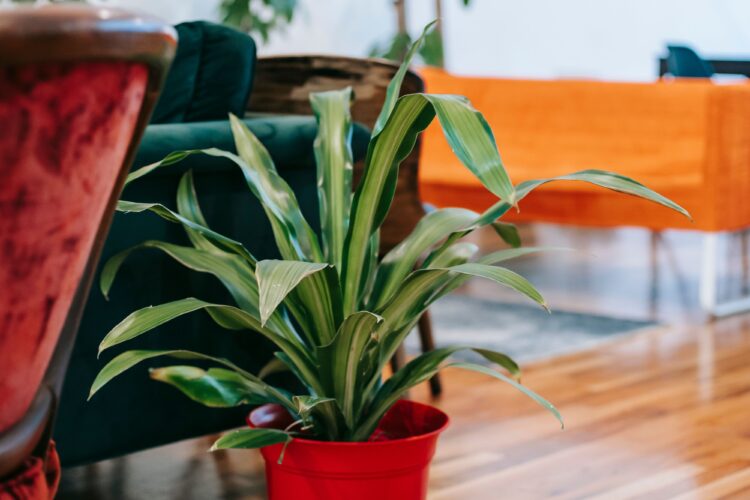
If you've seen a plant marketed simply as a "Happy Plant," it most often refers to Dracaena fragrans (also called the corn plant), a popular, low-maintenance foliage houseplant. Yes, it's a solid indoor choice — it tolerates a range of indoor light levels, doesn't demand frequent watering, and is a common pick for offices and low-light rooms. Like most Dracaena species, it is toxic to cats and dogs if ingested, so place it out of reach of curious pets. For a full breakdown of what the "Happy Plant" name refers to and how to care for it, see our dedicated Happy Plant meaning, types, and care guide and Happy Plant care guide.
A Note on "Happy Plant Home" and Similar Small Brands
Along with the well-documented brands covered above, you may come across smaller regional or specialty plant sellers using "happy" in their name — including certain local plant shops and brands marketed in specific countries. Because these smaller operations vary widely and aren't always well-documented publicly, the safest approach before ordering is the same one that applies to any small online plant retailer: check for verifiable customer reviews outside the brand's own site, confirm their shipping and live-arrival guarantee policy, and start with a small order before committing to a larger one.
Disadvantages of Indoor Plants
Houseplants are overwhelmingly a net positive, but it's worth going in with realistic expectations:
- Pest issues. Fungus gnats, spider mites, and mealybugs can establish themselves indoors and are sometimes harder to fully eliminate than outdoor pests, since there's no natural predator population to help.
- Pet and child safety. A number of popular houseplants — including pothos, philodendron, and many Dracaena species — are toxic if chewed or ingested, which matters if you share your home with pets or young kids.
- Mold and allergy potential. Overwatered soil can develop mold, and some people are sensitive to mold spores or plant pollen indoors.
- Maintenance time and cost. Larger collections require a real time commitment for watering, feeding, repotting, and pest monitoring, plus recurring costs for soil, pots, and fertilizer.
- Limited air-purifying impact. Despite popular claims, the number of plants needed to meaningfully change indoor air quality in a real room is far higher than what most people keep — don't rely on houseplants alone in place of ventilation.
What's Your Favorite Houseplant?
It's one of the most common conversation-starters in plant communities and plant vlogs for a reason — everyone tends to have a "gateway" plant that got them hooked. Pothos and snake plant are frequent answers for their sheer forgiveness, monstera and fiddle leaf fig are common favorites for statement-making foliage, and calathea and other prayer-plant relatives tend to be the pick for people who enjoy a more hands-on care routine. If you're just starting out, picking something low-maintenance first is generally the best way to build confidence before moving on to fussier varieties.
Final Thoughts
A genuinely happy house plant comes down to fundamentals — the right light, the right water, decent soil, and a bit of routine attention — more than any single product or trick. Whether you build your collection with budget big-box plants, invest in specialty care products like Happy Happy Houseplant's lineup, or mix in a bag of Happy Frog soil, consistency matters more than any one purchase. Start simple, pay attention to what your specific plants are telling you, and the "happy" part tends to follow.
For more on plants, happiness, and gifting ideas, explore our related guides: plants that bring happiness, our happiness plant care guides, how to make your plants happy, and happy plants — best products and gifts. You can also learn more about us or get in touch with questions.


0 Comments