Best Plants for Beginners: Top Indoor & Outdoor Picks (Plus Easy Seed Kits)
If you've ever bought a plant with good intentions and watched it turn brown within a month, you're not alone. Most "failed" beginner gardens don't fail because of bad luck — they fail because the wrong plant met the wrong conditions. The good news is that a handful of genuinely forgiving plants exist for almost every situation: dark apartments, sunny balconies, homes with curious cats, and backyards with more good intentions than free time.
Plants don't just fill an empty corner, either — there's real evidence behind how plants make you happy, and plenty of beginners get hooked once they see the effect a few thriving pots can have. If you want the fuller picture, our guide on house plants and happiness digs into the research behind it.
This guide covers the best plants for beginners indoors and outdoors, the easiest vegetables to start with, low-maintenance picks for pots and full sun, and a few seed-starter kits worth keeping on hand if you want to grow from scratch rather than buying full-grown plants.
Affiliate disclosure: this article contains affiliate links. If you purchase through one of them, we may earn a small commission at no extra cost to you.
Quick Answer: What's the Best Plant for a Complete Beginner?
For most first-time plant owners, the pothos and the snake plant are the two most beginner-friendly houseplants available. Both tolerate irregular watering, low light, and general neglect, and both are widely sold at garden centers and hardware stores for under $15. Outdoors, marigolds and zinnias offer the same forgiveness in a garden bed or planter.
Top 10 Plants for Beginners
This list mixes indoor and outdoor picks that consistently survive first-time plant ownership.
- Pothos (Devil's Ivy) — Tolerates low light, irregular watering, and trimming mistakes. Trailing vines make it forgiving to shape.
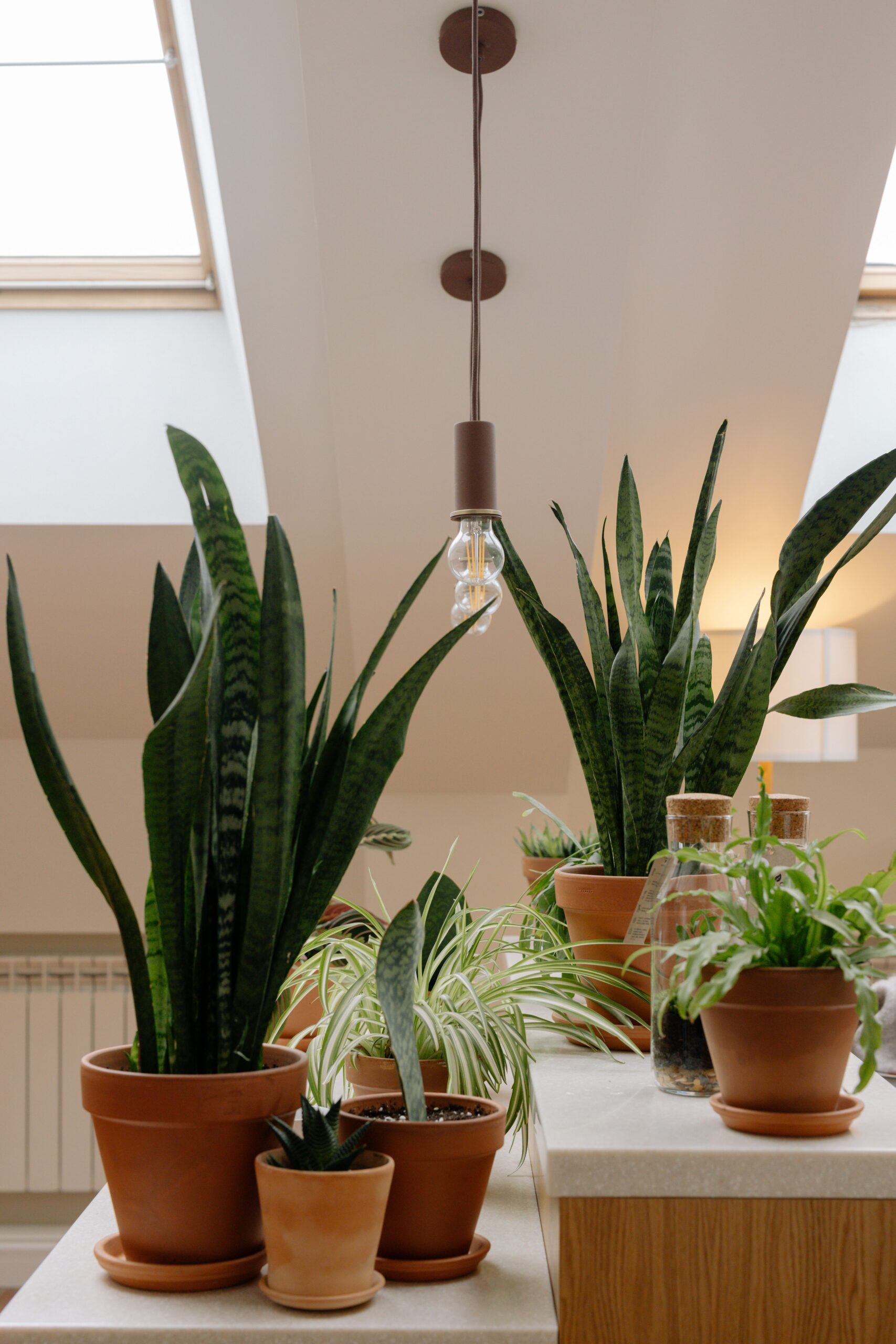
- Snake Plant — Needs watering only every 2–3 weeks and survives in almost any light level, including dim corners.
- ZZ Plant (Zanzibar Gem) — Stores water in its rhizomes, so missed waterings barely register.
- Spider Plant — Adapts to a wide range of light and produces "babies" you can propagate for free.
- Marigolds — A classic beginner outdoor flower that blooms all summer with minimal care.
- Zinnias — Fast-growing, full-sun annuals that flower within weeks of sowing seed directly outdoors.
- Succulents (Echeveria, Haworthia) — Ideal for anyone prone to underwatering rather than overwatering.
- Basil — An easy herb for a sunny windowsill or garden bed, useful in the kitchen almost immediately.
- Lavender — Drought-tolerant once established and thrives in poor, dry soil.
- Boston Fern — A humidity-loving option for bathrooms or kitchens that rewards consistent care.
Best Indoor Plants for Beginners
Indoor plants for beginners need to forgive inconsistent watering, average light, and the occasional forgotten week. The plants below are widely available, inexpensive, and genuinely hard to kill.
Top 10 Low-Maintenance Indoor Plants
| Plant | Light Needs | Watering | Why It's Beginner-Friendly |
|---|
| Snake Plant | Low to bright | Every 2–3 weeks | Stores water in thick leaves |
| Pothos | Low to bright | Weekly, when soil dries | Recovers fast from mistakes |
| ZZ Plant | Low to medium | Every 2–3 weeks | Rhizomes store water and nutrients |
| Spider Plant | Medium to bright | Weekly | Wide light tolerance |
| Peperomia | Medium | Every 1–2 weeks | Compact and slow-growing |
| Parlor Palm | Low to medium | Weekly | Tolerates dim rooms and rentals |
| Cast Iron Plant | Low | Every 2 weeks | Nearly impossible to kill by mistake |
| Aloe Vera | Bright | Every 2–3 weeks | Succulent leaves store moisture |
| Philodendron | Medium to bright | Weekly | Forgiving of missed waterings |
| Chinese Money Plant | Bright, indirect | Weekly | Simple, predictable growth habit |
Best Indoor Plants for Beginners With Cats
Several of the toughest beginner plants above — pothos, snake plant, ZZ plant, and philodendron — are unfortunately toxic to cats if chewed, according to the ASPCA. If you share your home with a cat, these vet-confirmed non-toxic options are just as easy to keep alive:
- Spider Plant — Non-toxic, though cats sometimes nibble the leaves out of curiosity.
- Parlor Palm — Non-toxic and tolerates low light, a solid pothos substitute for cat owners.
- Boston Fern — Non-toxic and thrives in bathrooms or kitchens with natural humidity.
- Calathea — Non-toxic, with attractive patterned foliage.
- African Violet — Non-toxic and compact enough for a windowsill out of a cat's easy reach.
Always double-check any new plant against the ASPCA's toxic and non-toxic plant list before bringing it home.
Meet the Happy Plant: A Beginner Pick With Many Names
One beginner-friendly plant deserves its own spotlight: the Happy Plant (Dracaena fragrans), a tough, low-light-tolerant houseplant that's earned a small following of its own nicknames. Depending on where you shop or who you ask, you might see it sold as the Chinese Happy Plant, simply the Happiness Plant, or even the Happy Bean Plant.
If you've come across the phrase "Happy Little Plants" and wondered what it refers to, we cover that separately in our Happy Little Plants guide. And if you want the complete rundown — meaning, plant types, and full care instructions in one place — our guide on what a Happy Plant actually is is the best place to start.
Best Outdoor Plants for Beginners
Outdoor beginners face a different challenge than indoor growers: weather, pests, and soil you can't fully control. These picks are chosen for their tolerance of imperfect conditions.
Best Plants for Beginners Outdoor (Low Maintenance)
- Marigolds — Bloom continuously from late spring through frost with almost no deadheading required.
- Daylilies — Extremely tolerant of poor soil and inconsistent watering once established.
- Black-Eyed Susan — A native perennial that self-seeds and rarely needs fertilizer.
- Sedum (Stonecrop) — A low, spreading succulent that handles drought and poor soil equally well.
- Lavender — Prefers to be left alone; overwatering is the only real way to kill it.
Best Outdoor Plants for Beginners – Full Sun
- Zinnias — Fast bloomers from seed, ideal for a first-time flower bed.
- Cosmos — Tolerates poor, dry soil and blooms for months.
- Russian Sage — A drought-tolerant perennial that handles heat well.
- Coneflower (Echinacea) — A native perennial that attracts pollinators and needs little upkeep.
- Portulaca (Moss Rose) — Thrives in hot, dry conditions where other flowers struggle.
Best Outdoor Plants All Year Round (Perennials)
- Hostas — Reliable shade perennials that spread and fill beds over time.
- Daylilies — Come back every year with minimal division needed.
- Sedum — Provides late-season interest and winter structure.
- Coneflower — Returns reliably in most climate zones and tolerates neglect.
- Ornamental Grasses — Low-maintenance structure that needs only an annual cutback.
Easy Outdoor Plants for Balconies and Small Planters
- Succulents and sedums — Ideal for shallow pots and irregular watering schedules.
- Petunias — Reliable, continuous bloomers for hanging baskets and window boxes.
- Herbs (rosemary, thyme, oregano) — Compact, drought-tolerant, and useful in the kitchen.
- Dwarf Zinnias — Bred specifically for pots and small balcony spaces.
Easy Plants to Grow: Vegetables for Beginners
If you want food, not just foliage, these vegetables forgive the most common first-season mistakes:
- Lettuce and salad greens — Ready to harvest in as little as 30 days, and regrow after cutting.
- Radishes — Among the fastest vegetables to grow, often ready in 3–4 weeks.
- Green beans — Productive, disease-resistant, and don't require staking if you choose bush varieties.
- Cherry tomatoes — More forgiving and faster-producing than full-sized tomato varieties.
- Zucchini — Extremely productive from a single plant, tolerant of inconsistent watering.
Easy Plants to Take Care Of for Beginners: General Care Tips
Choosing the right plant is half the job. These habits prevent most of the mistakes that kill beginner plants:
- Check soil before watering, not on a schedule. Stick a finger an inch into the soil; if it's still damp, wait.
- Match the plant to the light you actually have. A sunny-plant tag means little in a north-facing apartment.
- Use pots with drainage holes. Standing water at the roots is the single most common cause of houseplant death.
- Start with fewer plants than you're tempted to buy. Three thriving plants beat ten struggling ones.
- Skip the fertilizer at first. New plants in fresh potting soil usually don't need feeding for the first couple of months.
Best Seed Starter Kits for Beginners
If you'd rather grow your garden from seed than buy established plants, a well-packaged variety kit takes the guesswork out of what to plant first. These four kits are commonly recommended for new gardeners starting an herb or vegetable garden indoors or outdoors.
1. HOME GROWN 15 Herb Seed Variety Kit (4,300+ Seeds)
A large culinary herb collection covering Genovese basil, sweet basil, Italian oregano, rosemary, thyme, cilantro, dill, mint, sage, lavender, chives, garlic chives, parsley, chervil, and scallions. Seeds are heirloom, non-GMO, and tested for germination, and the kit works for soil, raised beds, or hydroponic setups like an AeroGarden. Rated 4.2 out of 5 stars from over 65,000 reviews.
Best for: Beginners who want the widest possible herb variety in one purchase.
Check the Current Price on Amazon
2. NatureZ Edge 5 Herb Seeds Variety Kit
A smaller, budget-friendly kit covering the five most commonly used cooking herbs: chives, parsley, cilantro, oregano, and basil. Packaged by a veteran-owned small business, it's suited to hydroponics, indoor containers, or a small outdoor herb patch. Rated 4.4 out of 5 stars from over 3,500 reviews, and an Amazon's Choice pick.
Best for: First-time growers who want a simple, low-commitment starting point.
See the Available Options on Amazon
3. HOME GROWN 10 Herb Variety Pack (3,000+ Seeds, Extra Large)
A mid-sized kit with ten essential culinary herbs — basil, oregano, parsley, mint, thyme, chives, cilantro, dill, marjoram, and tarragon. Includes plant markers and a growing guide, and works indoors, outdoors, or hydroponically. Rated 4.2 out of 5 stars and a #1 Best Seller in Herb Plants & Seeds.
Best for: Beginners who want a complete "chef's herb garden" without the largest kit's size.
Compare the Latest Prices on Amazon
4. Black Duck Brand 43-Piece Assorted Vegetable & Herb Seed Set (10,000+ Seeds)
A much larger assortment spanning both vegetables and herbs, all heirloom and non-GMO, with a high stated germination rate and a mylar storage bag included to keep unused seed packets fresh for future seasons. Rated 4.5 out of 5 stars from over 18,000 reviews, and an Amazon's Choice pick.
Best for: Beginners who want to stock a full vegetable garden, not just an herb pot, in one purchase.
View the Product Details on Amazon
Comparison Table: Best Seed Starter Kits for Beginners
| Kit | Best For | Seed Count | Rating |
|---|
| HOME GROWN 15 Herb Kit | Widest herb variety | 4,300+ | 4.2 (65,037) |
| NatureZ Edge 5 Herb Kit | Simple starting point | Not specified | 4.4 (3,553) |
| HOME GROWN 10 Herb Pack | Complete chef's herb garden | 3,000+ | 4.2 (65,037) |
| Black Duck Brand 43-Piece Set | Full vegetable + herb garden | 10,000+ | 4.5 (18,477) |
Common Mistakes Beginners Make
- Overwatering "on a schedule" instead of checking the soil — this is the number one cause of houseplant death.
- Buying a full-sun plant for a low-light room because it looked good at the store, not because it fit the space.
- Skipping drainage holes on decorative pots, which traps water at the roots.
- Planting outdoor annuals too early, before the last frost date for your zone.
- Fertilizing too soon or too often, which can burn roots on plants that haven't fully established yet.
Frequently Asked Questions
What is the most beginner-friendly plant to grow?
The pothos and the snake plant are widely considered the most beginner-friendly houseplants because they tolerate low light, irregular watering, and general neglect better than almost any other common species.
Why is Gen Z obsessed with plants?
Plant ownership has grown in popularity with younger generations partly because houseplants offer an affordable, low-commitment way to add greenery and routine to smaller living spaces like apartments and dorms, and because plant care content performs well on visual platforms like Instagram and TikTok.
What are the best low-maintenance plants?
Snake plants, ZZ plants, pothos, and succulents rank among the most low-maintenance options indoors, while marigolds, sedum, and lavender are reliably low-maintenance outdoors.
What indoor plants are safe for cats?
Spider plants, parlor palms, Boston ferns, calatheas, and African violets are all listed as non-toxic to cats by the ASPCA, making them safer alternatives to popular but toxic beginner plants like pothos and snake plants.
What vegetables are easiest to grow for beginners?
Lettuce, radishes, green beans, cherry tomatoes, and zucchini are among the easiest vegetables for first-time growers, since they germinate quickly, tolerate minor care mistakes, and produce a harvest within a single season.
Final Thoughts
The easiest way to succeed with your first garden isn't to work harder — it's to pick plants that match the light, space, and attention you actually have to give. Start with two or three plants from this list, get comfortable with their basic care, and expand from there. For more plant-specific guides, browse the full library on our homepage, or if you have questions about your own space, get in touch with us. You can also learn more about who's behind these guides on our About page.
Ready to start growing? Compare the four seed kits above based on how much variety you want, and pick the one that matches your space.
Compare All Seed Kits on Amazon Now


0 Comments