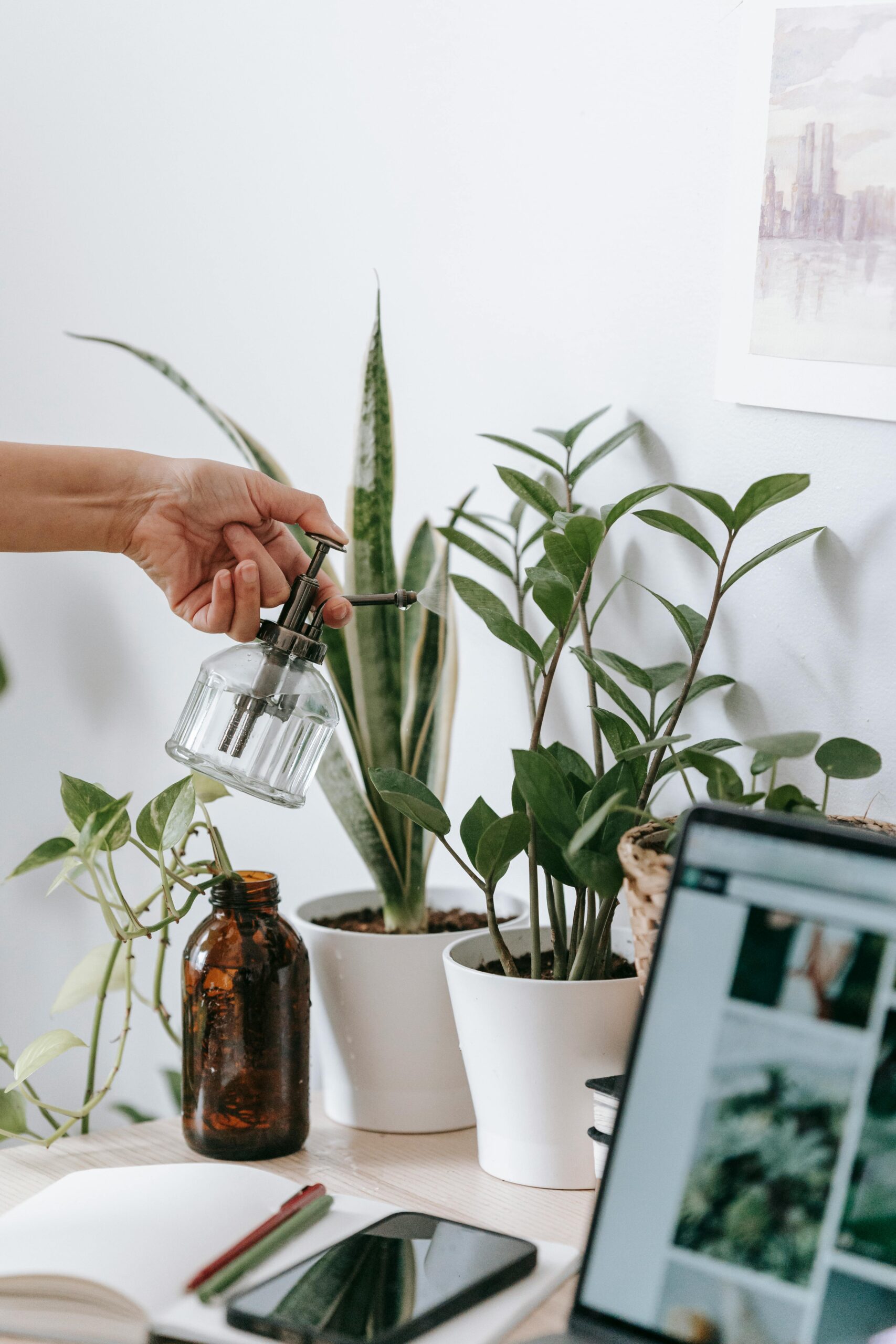
What Is the Happy Bean Plant?
Meet one of the quirkiest, most lovable houseplants available today — the happy bean peperomia plant, scientifically known as Peperomia ferreyrae. With its cylindrical, bright green leaves that look uncannily like little bean pods, this compact succulent-like plant has earned an enthusiastic following among houseplant collectors worldwide.
Native to the rainforests of Peru, the happy bean plant sits within the enormous Peperomia genus — a family of over 1,000 species, most of which share the same low-maintenance, highly rewarding character that makes them ideal for beginners and experienced plant parents alike.
Whether you spotted it at a local nursery and couldn’t resist, or received one as a gift and now need to know how to keep it alive — this complete happy bean plant care guide covers everything, from light and watering to pruning, toxicity, and fixing the most common problems.
Happy Bean Plant Benefits
Before diving into care, let’s appreciate what makes this plant genuinely worth having. The happy bean plant benefits are more than just aesthetic:
1. Air Purification
Like most tropical houseplants, Peperomia ferreyrae contributes to cleaner indoor air by absorbing carbon dioxide and releasing oxygen during photosynthesis. While not listed specifically in NASA’s Clean Air Study, Peperomias as a genus are known to filter low levels of indoor air pollutants. NASA Clean Air Study reference.
2. Low Maintenance
One of the most practical happy bean plant benefits is how forgiving it is. It tolerates neglect, drought, and lower light conditions far better than most tropical houseplants. A plant that survives a holiday without a waterer is genuinely valuable.
3. Compact and Versatile
It stays relatively small — typically reaching 20–30 cm in height — making it perfect for desks, shelves, bathroom windowsills, and office spaces.
4. Non-Toxic (with caveats — see below)
The happy bean plant is generally considered safe for humans and is one of the more pet-friendly options in the Peperomia genus.
5. Unique Sculptural Appeal
The bean-shaped leaves create a sculptural, almost architectural look that works beautifully in minimalist, Japandi, or boho-style interiors. It genuinely looks like something a designer placed intentionally.
6. Long-Lived
With proper happy bean plant care, this plant can thrive for many years — growing slowly but steadily into an impressive specimen.
Happy Bean Plant Light Requirements
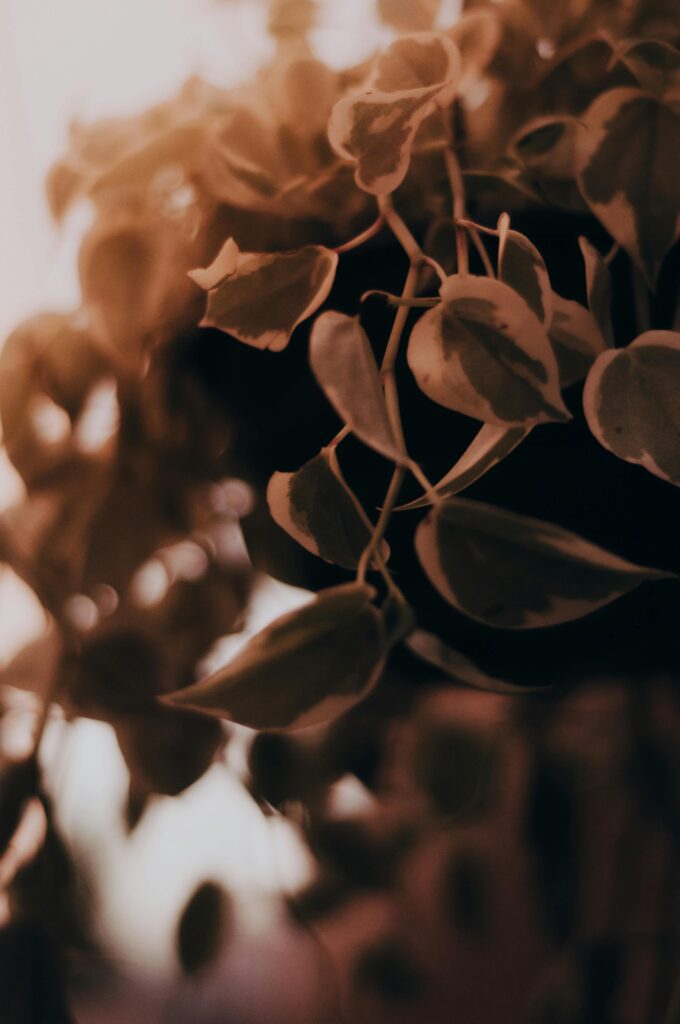
Getting the light right is the single most important factor in happy bean plant care. Native to bright, dappled forest floors in Peru, the plant is adapted to good light without harsh direct exposure.
Ideal Happy Bean Plant Light
The happy bean plant light requirements are:
- Best: Bright, indirect light — a spot near an east or west-facing window where it receives a few hours of gentle direct sun in the morning or late afternoon
- Tolerated: Moderate indirect light — further from a window, or a north-facing position in the northern hemisphere
- Avoid: Harsh midday direct sun through south-facing windows, which can bleach and scorch the delicate leaf tissue
- Avoid: Very deep shade — while tolerant of lower light, insufficient happy bean plant light leads to stretched, leggy growth and eventual decline
Happy Bean Plant Sunlight: Direct vs Indirect
Happy bean plant sunlight needs are slightly higher than many peperomias because of the plant’s semi-succulent leaf structure. The transparent “windows” on the upper surface of each leaf (similar to those found in Haworthia) are designed to funnel light into the interior — a clever adaptation for life on bright but shaded forest floors.
In practice:
- Indoors: Place within 1–2 metres of a bright window
- Outdoors (summer): Dappled shade under a tree or covered patio — never full midday sun
- Low light rooms: Supplement with a full-spectrum grow light placed 20–30 cm above the plant for 12–14 hours per day
Can You Use a Happy Light for Happy Bean Plant Light?
A SAD lamp or happy light can provide some supplemental light for your happy bean plant, but a dedicated plant grow light with a full red and blue spectrum will be significantly more effective for photosynthesis. For more on this, see our guide to happy lights and plant growth.
Happy Bean Plant Watering
After light, watering is the area where most growers go wrong. The happy bean plant watering approach is firmly in the “less is more” camp.
The Golden Rule
Treat your happy bean plant more like a succulent than a tropical. Let the soil dry out almost completely between waterings.
Step-by-Step Happy Bean Plant Watering Guide
- Check the soil first: Push your finger 3–4 cm into the soil. If it still feels even slightly moist, wait.
- Water thoroughly: When you do water, water deeply — until it drains from the bottom of the pot. This encourages deep root growth.
- Empty the saucer: Never let the pot sit in standing water. Root rot develops quickly in waterlogged conditions.
- Adjust by season:
- Spring/summer (growing season): Every 10–14 days on average
- Autumn/winter (dormancy): Every 3–4 weeks, or when soil is completely dry
Water Quality
Like many Peperomias, the happy bean plant is somewhat sensitive to fluoride and chlorine in tap water. If your tap water is heavily treated:
- Leave tap water to sit overnight before using (allows chlorine to off-gas)
- Use filtered water or collected rainwater
- Avoid cold water — use room temperature
Happy Bean Plant Soil
The right happy bean plant soil is critical to preventing the most common problems (root rot, leaf drop, yellowing).
Ideal Soil Mix
The perfect happy bean plant soil is:
- Well-draining — water should pass through freely, not pool
- Airy — roots need oxygen as much as water
- Slightly acidic — pH 6.0–6.5
Recommended Soil Recipe
Mix equal parts of:
- Standard indoor potting mix (e.g., Miracle-Gro Indoor Potting Mix)
- Perlite (for drainage and aeration)
- Orchid bark or coarse pumice (for chunkiness and airflow)
Alternatively, a cactus and succulent mix from any garden centre works well straight from the bag, or with 20–30% added perlite.
Pot Choice
- Always use a pot with drainage holes — non-draining pots are the fastest route to happy bean plant root rot
- Terracotta pots are ideal — they’re porous, allowing the soil to dry more evenly
- Pot size: Don’t overpot. A container only 2–3 cm wider than the root ball is sufficient
Find terracotta pots at Bunnings, Ikea, or Amazon.
Happy Bean Plant Pruning
Happy bean plant pruning is straightforward and important for two reasons: maintaining a compact shape, and preventing the plant from becoming too leggy.
When to Prune
- Spring is the ideal time — at the start of the growing season when the plant has the energy to recover and push new growth
- You can also do light tidying at any time of year
How to Prune Happy Bean Plant Step by Step
- Sterilise your tools: Wipe scissors or pruning snips with rubbing alcohol or a diluted bleach solution before use. This prevents transferring disease between plants.
- Remove dead or dying stems: Cut these at the base, as close to the soil as possible.
- Cut leggy stems: For stems that have become too long and sparse, cut back to just above a node (the point where a leaf joins the stem). New growth will emerge from below the cut.
- Remove yellow or damaged leaves: These can be gently pulled off by hand or snipped at the base.
- Shape the plant: Step back and trim any stems that are significantly longer than the rest to maintain a compact, rounded form.
What to Do With Prunings
Don’t throw the cuttings away — happy bean plant cuttings propagate readily. See the propagation section below.
Happy Bean Plant Too Tall: What to Do
If your happy bean plant is too tall — with long, lanky stems and sparse leaves — this is almost always a light issue. A plant reaching upward aggressively is searching for more light (a phenomenon called etiolation).
Fix for a Leggy Happy Bean Plant
- Move it to a brighter spot — closer to a window with more indirect light
- Prune it back — cut leggy stems back to a more compact height (see pruning guide above)
- Propagate the cuttings — the stems you remove can become new, compact plants when rooted in water or soil
- Consider a grow light — if your space genuinely cannot provide enough natural light, a grow light will keep the plant compact and healthy
A happy bean plant too tall situation is fixable with a combination of better light and confident pruning. Don’t be afraid to cut it back hard — the plant will bounce back.
Happy Bean Plant Flower: Does It Bloom?
Does happy bean plant flower? Yes — but manage your expectations.
Like most Peperomias, the happy bean plant flower is a far cry from showstopper blooms. What you’ll get are:
- Thin, elongated spikes (called spadix-like inflorescences or catkin spikes)
- Pale green, cream, or yellowish colour
- No fragrance
- Typically 3–5 cm long
They appear most commonly in spring and summer, usually when the plant is receiving good light and consistent care.
Should You Remove the Flowers?
Many growers remove the flower spikes as they appear, redirecting the plant’s energy back into foliage. If you’re growing the happy bean plant purely as a foliage specimen — which most people are — snipping the flowers off is a sensible approach. If you enjoy seeing the full lifecycle, leave them on.
The happy bean plant flower is a sign of a content, thriving plant — so if you see one, congratulations. Your care is working.
Happy Bean Plant Toxic to Cats: Is It Safe?
This is one of the most important questions for pet owners: is happy bean plant toxic to cats?
The good news: Peperomia ferreyrae (the happy bean plant) is listed by the ASPCA as non-toxic to cats, dogs, and horses.
This makes the happy bean plant one of the safer houseplant choices for pet households — a meaningful benefit given how many popular houseplants (Monstera, Pothos, Dracaena, Philodendron) are toxic to animals.
Important Caveats
- Non-toxic does not mean zero effect. If a cat or dog eats a significant amount of any plant material, gastrointestinal upset (vomiting, diarrhoea) can still occur.
- Fertilisers and soil additives may be toxic even if the plant itself isn’t. Keep fertilised plants out of reach for 24–48 hours after feeding.
- When in doubt, consult your vet or contact the ASPCA Animal Poison Control Center (US) or the Animal Poison Line (UK).
Verdict: The happy bean plant toxic to cats concern is low — it’s one of the safest houseplants you can choose for a home with animals.
Happy Bean Plant Dropping Leaves and Losing Leaves: What’s Wrong?
Happy bean plant dropping leaves, happy bean plant leaves falling off, and happy bean plant losing leaves are all variations of the same problem — and they have several possible causes.
Causes and Fixes
| Cause | Signs | Fix |
|---|---|---|
| Overwatering | Soft, mushy stems; soggy soil; leaves drop easily | Let dry out completely; repot if roots are rotten |
| Underwatering | Shrivelled, wrinkled leaves; bone-dry soil | Water deeply; increase frequency slightly |
| Cold temperatures | Sudden leaf drop, especially after a cold spell | Move away from cold windows/drafts; keep above 13°C |
| Low light | Leggy growth followed by leaf drop | Move to brighter location or add a grow light |
| Root rot | Mushy stems at soil level; foul smell | Remove from pot, trim rotten roots, repot in fresh soil |
| Repotting shock | Temporary drop after moving to a new pot | Keep stable; reduce watering; wait 2–4 weeks |
| Pest damage | Sticky residue, webbing, or visible insects | Treat with neem oil or insecticidal soap |
The Most Common Cause
Happy bean plant dropping leaves is most often caused by overwatering combined with poor drainage. The semi-succulent leaves store water, so the plant needs far less irrigation than most houseplant owners instinctively provide.
Happy Bean Plant Turning Yellow: Diagnosis Guide
Happy bean plant turning yellow is a distress signal — but the yellow colour alone doesn’t tell you the cause. You need to look at the pattern.
Yellow Leaf Diagnosis
Bottom leaves turning yellow gradually: This is often natural ageing. Older, lower leaves yellow and drop as the plant redirects energy to new growth. Remove them cleanly and monitor — if it’s isolated to the lowest leaves and new growth looks healthy, it’s normal.
All leaves turning yellow at once: This points to a systemic problem — most likely overwatering, root rot, or a severe nutrient deficiency.
New growth turning pale yellow: Classic sign of nutrient deficiency, particularly nitrogen. Feed with a balanced liquid fertiliser — try Happy Happy Plant Food or a standard houseplant feed diluted to half strength.
Yellow leaves with dry, crispy tips: Low humidity or fluoride sensitivity. Switch to filtered water and mist occasionally, or place on a pebble humidity tray.
Yellow + mushy + bad smell: Root rot. Act immediately — remove from pot, trim rotten roots, repot in fresh well-draining soil.
Fixing Happy Bean Plant Turning Yellow: Step by Step
- Diagnose the pattern (see above)
- Check soil moisture — if soggy, let it dry completely
- Check roots — if rotten, trim and repot
- Move to brighter light if growth is pale
- Feed with diluted fertiliser if new growth is uniformly pale
- Switch to filtered water if leaf tips are brown and crispy
Happy Bee Plant: A Close Relative Worth Knowing
Searching for the happy bee plant? This term most commonly refers to Phacelia tanacetifolia — a fast-growing, bright purple annual wildflower that is one of the most powerfully bee-attracting plants in the garden world. While botanically unrelated to the happy bean peperomia plant, it earns its place in this guide as a companion recommendation.
Happy Bee Plant (Phacelia tanacetifolia) Quick Facts
- Type: Annual wildflower
- Flowers: Vivid violet-blue, bell-shaped clusters
- Bloom time: Spring through summer
- Bee attraction: Rated among the top 3 most bee-friendly plants by the Royal Horticultural Society
- Grow from seed: Extremely easy — direct sow into any sunny garden bed
- Height: 40–120 cm
- Also known as: Lacy phacelia, blue tansy, fiddleneck
Where to Buy Happy Bee Plant Seeds
- Suttons Seeds (UK)
- Bunnings (Australia)
- Amazon (worldwide)
- Eden Seeds (Australia — organic options)
The happy bee plant is an excellent companion for vegetable gardens, as its pollinator-attracting power significantly improves yields in nearby crops.
Propagating the Happy Bean Plant
Once you have a thriving happy bean peperomia plant, you’ll want more — and propagation is the way to get them for free.
Method 1: Stem Cuttings in Water
- Take a healthy stem cutting of 5–10 cm with at least 3–4 leaves
- Remove the bottom 1–2 leaves to expose a node
- Place in a small glass of clean water in bright indirect light
- Change water every 3–4 days
- Roots should appear in 3–6 weeks
- Pot into well-draining soil once roots reach 2–3 cm
Method 2: Stem Cuttings in Soil
- Take a stem cutting as above
- Let the cut end callous over for 30 minutes
- Optionally dip in rooting hormone powder
- Plant in a small pot of moist perlite or cactus mix
- Keep soil barely moist and in bright indirect light
- New growth after 4–6 weeks indicates successful rooting
Method 3: Leaf Cuttings
Unlike many Peperomias, ferreyrae propagates most reliably from stem cuttings rather than single leaf cuttings. Stick to stems for the best success rate.
Fertilising Your Happy Bean Plant
Feed your happy bean peperomia plant during the active growing season:
- When: Spring and summer only (April–September in the northern hemisphere)
- How often: Every 3–4 weeks
- What: A balanced, water-soluble liquid fertiliser diluted to half the recommended strength
- Good options: Happy Happy Plant Food, Miracle-Gro Liquid All Purpose, or any balanced NPK fertiliser
Never fertilise:
- A newly repotted plant (wait 6–8 weeks)
- A stressed, drooping, or actively sick plant
- In autumn and winter when the plant is resting
Complete Happy Bean Plant Care Summary
| Care Aspect | Requirement |
|---|---|
| Light | Bright indirect light; 1–2m from a window |
| Sunlight | Tolerates gentle morning/evening direct sun |
| Watering | Every 10–14 days in summer; every 3–4 weeks in winter |
| Soil | Well-draining; cactus mix + perlite |
| Pot | Terracotta with drainage holes |
| Temperature | 16–27°C; never below 10°C |
| Humidity | Average household; not demanding |
| Fertiliser | Half-strength liquid feed, monthly in growing season |
| Pruning | Spring; remove leggy or dead stems |
| Toxic to cats? | No — ASPCA listed as non-toxic |
| Flowers? | Yes — small pale spikes; often removed |
| Common problems | Overwatering, low light, root rot |
Where to Buy a Happy Bean Plant
- Etsy — specialist sellers with healthy, rooted specimens
- The Sill — curated houseplant retailer (US)
- Bunnings — widely stocked in Australia
- Patch Plants (UK) — delivered to your door
- Bloomscape (US) — premium houseplants with care kits
- Local plant markets and nurseries — often the most affordable and the plants are already climate-acclimated
Final Thoughts: Is the Happy Bean Plant Right for You?
If you want a plant that is genuinely distinctive, reliably low-maintenance, safe around pets, and rewarding to grow — the happy bean peperomia plant belongs in your collection.
It won’t ask much of you. Give it a bright window, let it dry between waterings, pot it in well-draining soil, and prune it back when it gets leggy. In return, it’ll sit on your shelf being quietly, wonderfully itself — one of the most charming small plants you can own.
And when it eventually sends up a little flower spike? That’s its way of saying thank you.
Continue reading:
- The Ultimate Happy Plant Care Guide — Dracaena fragrans from beginner to expert
- Do Plants Make You Happy? The Science — the research behind plant wellbeing
- Happy Birthday Plant Lover Guide — the best green gifts for plant people
- Best Peperomia Varieties for Beginners — expand your collection


0 Comments