Happy Plant
Ammara Azhar
2:36 pm - November 4, 2026
Share:
Terrestrial and Aquatic Plants: Differences, Adaptations and Examples
Plants grow in many different environments, from dry deserts and grassy fields to ponds, rivers and lakes. Some spread their roots deep into the soil, while others float on the water or grow completely underwater. These different habitats have shaped the way plants develop, absorb nutrients and survive.
Two important groups are terrestrial plants and aquatic plants. Although both need sunlight, water, nutrients and suitable growing conditions, they have different adaptations that help them live in their environments. Understanding these differences makes it easier to identify plants, choose suitable species for a garden or aquarium, and learn how plants survive in nature.
What is the difference between terrestrial and aquatic plants?
Terrestrial plants grow mainly on land, usually with their roots in soil. Aquatic plants are adapted to live in water or waterlogged environments. Terrestrial plants often have stronger supporting stems and extensive roots, while many aquatic plants have flexible stems, air spaces and leaves adapted to floating or underwater growth.
What Is a Terrestrial Plant?
A terrestrial plant is a plant that grows primarily on land. Its roots usually spread through soil, where they absorb water and minerals. Its leaves and stems generally grow in the air, allowing it to receive sunlight and exchange gases with the atmosphere.
Terrestrial plants are found in forests, grasslands, gardens, mountains, deserts and many other land habitats. They vary greatly in size, from tiny ground-cover plants to enormous trees.
Examples of terrestrial plants
- Rose: A flowering shrub commonly grown in gardens.
- Sunflower: A tall flowering plant that grows in soil and follows the direction of sunlight when young.
- Mango tree: A fruit-bearing tree with a woody trunk and extensive roots.
- Snake plant: A popular indoor plant with upright, thick leaves that tolerate relatively dry conditions.
- Tiger lily: A flowering terrestrial plant that grows in soil, rather than a true aquatic plant.
- Oak tree: A large woody plant that grows on land and provides habitat for wildlife.
Most terrestrial plants depend on soil for physical support and access to nutrients. However, their exact needs differ. Desert plants, for example, have adaptations that help them conserve water, while rainforest plants are often adapted to humid conditions and competition for sunlight.
What Is an Aquatic Plant?
An aquatic plant, also called a water plant, is a plant adapted to grow in water or in soil that remains saturated with water. Some aquatic plants live entirely underwater, while others float on the surface or grow along the edges of ponds and lakes.
Aquatic plants occur in freshwater habitats such as ponds, rivers, lakes and wetlands. Some species also live in coastal or marine environments, including seagrasses.
Unlike most terrestrial plants, aquatic plants do not always need strong stems to support themselves against gravity. The surrounding water provides some physical support. Many species also develop air-filled spaces that help move gases through submerged tissues or keep leaves afloat.
Examples of aquatic plants
- Water lily: A rooted aquatic plant with broad leaves that float on the water surface.
- Duckweed: A tiny free-floating plant that can form a green layer across still water.
- Vallisneria: A submerged freshwater plant with long, ribbon-like leaves.
- Hornwort: A submerged plant that can grow without being rooted in the bottom substrate.
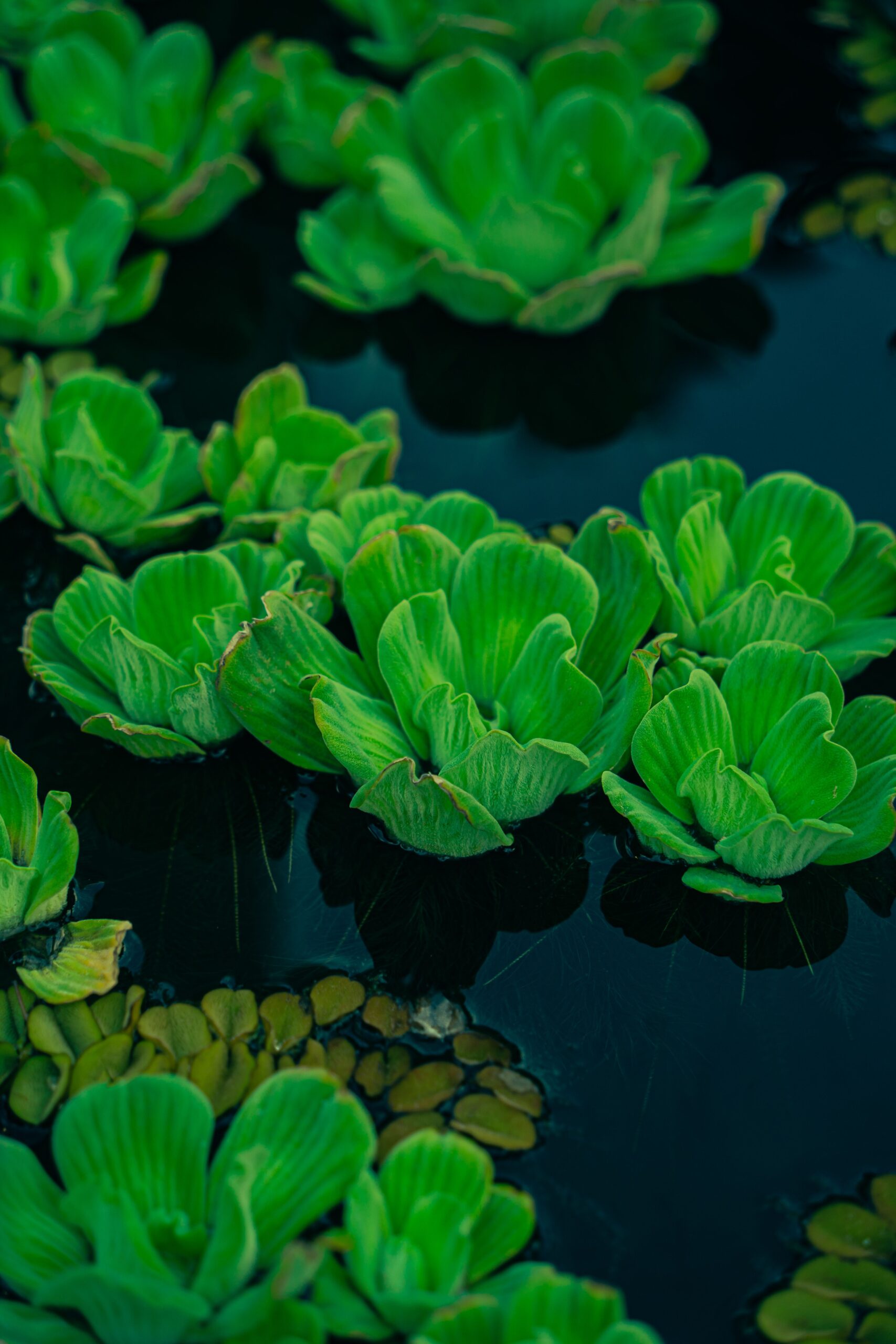
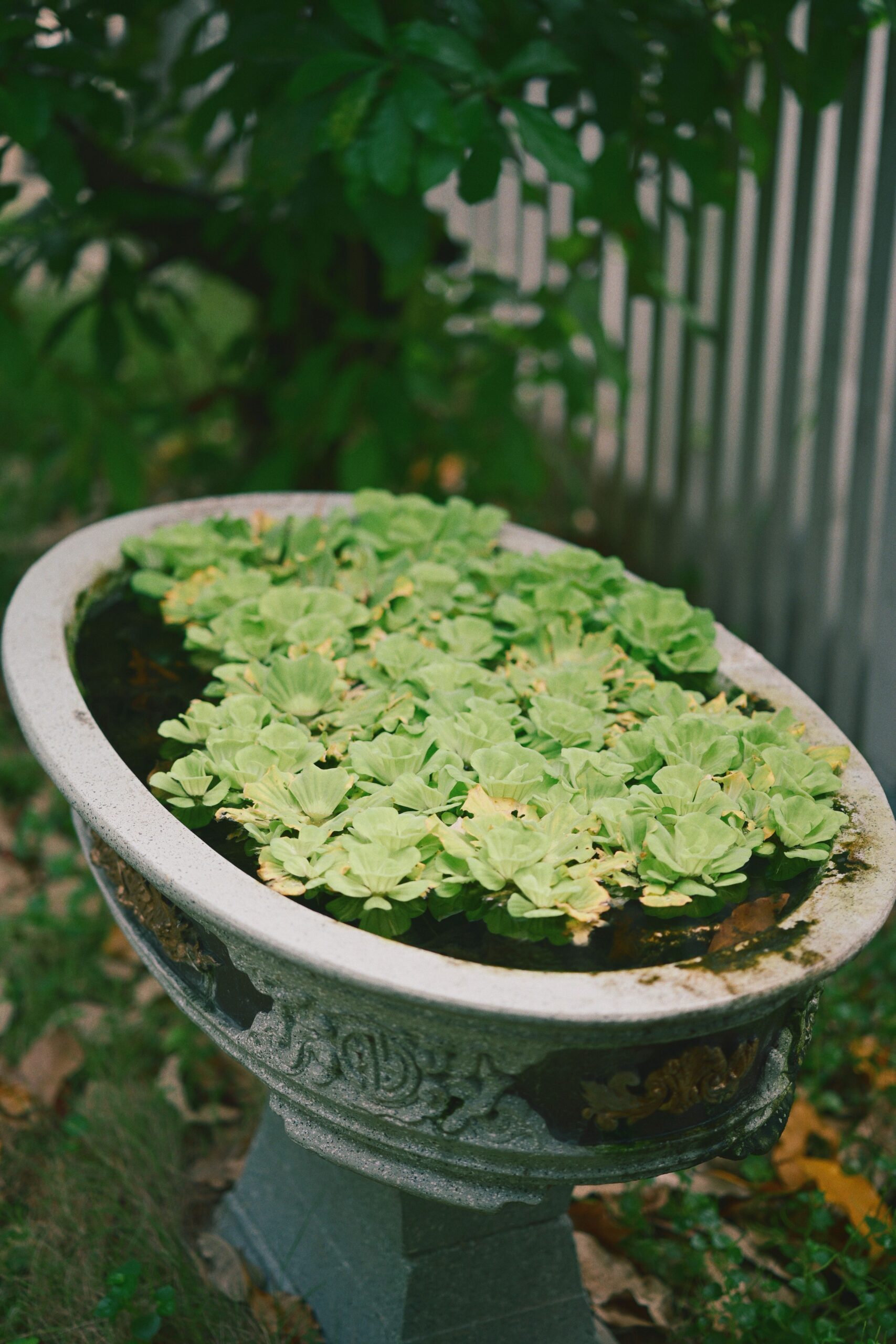
- Water hyacinth: A free-floating plant with swollen leaf stalks that help it remain buoyant.
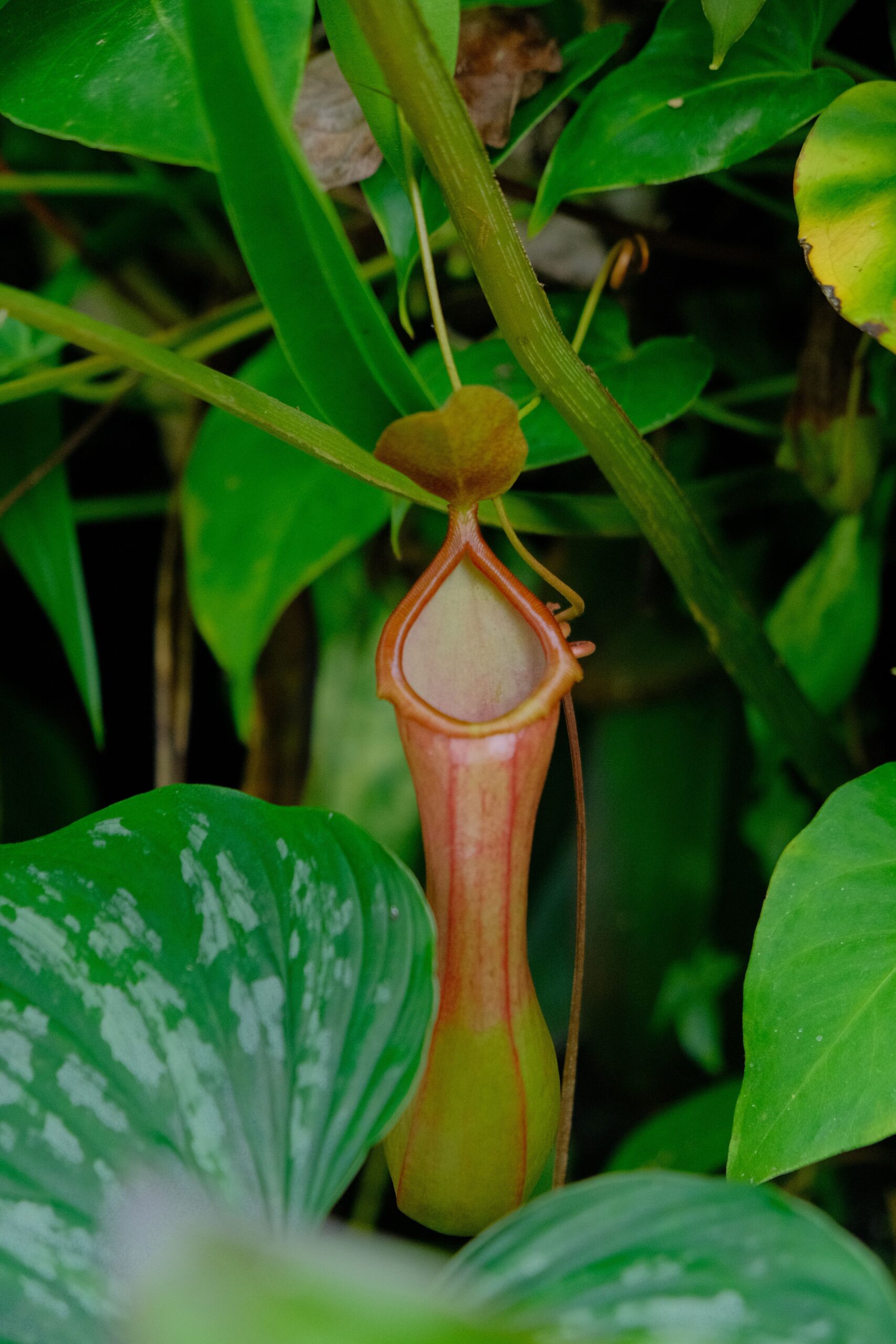
- Utricularia: A group of carnivorous plants that includes aquatic species with small bladder-like traps.
- Lotus: An aquatic plant with large leaves and flowers that can rise above the water.
To explore more examples and how they grow, read our guide to the different types of aquatic plants.
Terrestrial Plant vs Aquatic Plant: Main Differences
The biggest difference between a terrestrial plant and an aquatic plant is the environment in which it is adapted to grow. This affects its roots, stems, leaves, gas exchange and water requirements.
| Feature | Terrestrial Plants | Aquatic Plants |
|---|---|---|
| Habitat | Grow mainly on land. | Grow in water or waterlogged habitats. |
| Roots | Usually anchor the plant and absorb water and minerals from soil. | May anchor the plant, absorb nutrients or be reduced in some floating species. |
| Stems | Often stronger to support the plant against gravity. | Often flexible or softer because water provides support. |
| Leaves | Commonly have a protective outer surface that helps reduce water loss. | May be thin, divided, floating or adapted to underwater conditions. |
| Water supply | Usually obtained through roots from soil. | May be absorbed from surrounding water through roots or other plant surfaces. |
| Gas exchange | Mostly takes place through stomata in leaves and other green tissues. | Varies by species; submerged leaves can exchange dissolved gases with the water. |
| Support | Often depends on firm stems, roots and supporting tissues. | Water can provide buoyancy and physical support. |
| Examples | Rose, mango, sunflower and oak. | Duckweed, water lily, Vallisneria and hornwort. |
Important: These are general differences, not rules that apply to every species. Some plants can grow in both wet and dry environments, and certain aquatic plants have leaves and stems that extend above the water.
How Are Aquatic Plants Adapted to Living Underwater?
Aquatic plants have developed several adaptations that help them survive in water. These features vary according to whether a plant is submerged, floating or growing in shallow water.
1. Air spaces in stems and leaves
Many aquatic plants contain large internal air spaces in their leaves, stems and roots. These spaces help gases move through the plant, especially when some tissues remain underwater and others reach the air.
2. Flexible stems
Many submerged plants have soft and flexible stems. This allows them to move with water currents instead of resisting every movement. It also means they may need less rigid supporting tissue than many land plants.
3. Thin or divided leaves
Some underwater plants have narrow, delicate or finely divided leaves. These shapes increase the surface area exposed to water and can reduce resistance from moving water.
4. Floating leaves
Water lilies and similar plants have broad leaves that rest on the water surface. This helps them receive sunlight and exchange gases with the air. Their roots remain anchored in the underwater substrate.
5. Reduced root systems in some species
Some free-floating aquatic plants have small roots that mainly absorb nutrients or help maintain balance. Other aquatic plants, especially rooted species, have well-developed roots that anchor them in the bottom sediment.
How Are Terrestrial Plants Adapted to Living on Land?
Terrestrial plants face different challenges. They need to obtain water from the soil, remain upright in the air and avoid losing too much moisture.
1. Strong roots
Roots anchor many land plants firmly in the ground and absorb water and minerals. Some plants have deep roots that reach underground water, while others develop wide, shallow root systems.
2. Strong supporting stems
Woody stems and other supportive tissues help terrestrial plants stand upright. Trees and shrubs develop strong trunks and branches that support leaves, flowers and fruits.
3. Protective leaf surfaces
Many terrestrial plants have a waxy cuticle on their leaves. This protective layer helps reduce water loss from the plant surface.
4. Stomata for gas exchange
Stomata are tiny openings, usually found on leaves, that allow carbon dioxide to enter and oxygen and water vapour to leave. Plants regulate these openings to balance gas exchange with water conservation.
5. Adaptations to different climates
Terrestrial plants have different strategies for surviving their habitats. Cacti store water in thick stems, while many tropical plants have broad leaves suited to warm, humid environments.
What Are Semi-Aquatic Plants?
A semi-aquatic plant grows in wet soil, shallow water or at the edges of ponds, lakes and wetlands. Its roots may remain underwater while its leaves and flowers grow above the surface.
These plants are sometimes called marginal or emergent plants. They are important because they connect land and water habitats and provide shelter for insects, birds, fish and other wildlife.
Examples of semi-aquatic plants
- Cattail: Grows in shallow water and wet soil, with tall stems and distinctive flower spikes.
- Umbrella plant: Cyperus alternifolius is often grown with its roots in consistently wet soil or shallow water.
- Arrowhead: A wetland plant that can produce arrow-shaped leaves above the water.
- Pickerelweed: A marginal aquatic plant with attractive flower spikes.
- Rushes: Grass-like wetland plants that grow in damp ground and shallow water.
A plant being able to grow in water does not automatically make it a fully submerged aquatic plant. For example, the umbrella plant is generally grown as a marginal or semi-aquatic species.
Can a Terrestrial Plant Grow in Water?
Some terrestrial plants can survive with their roots in water for a period of time, but that does not mean they are naturally aquatic plants. Certain houseplants, including lucky bamboo and some pothos varieties, can grow in water when their stems or roots are placed in suitable conditions.
However, plants that are naturally adapted to soil may struggle if their roots remain underwater without enough oxygen. Their growing requirements are different from those of true aquatic plants.
If you want to grow plants in a fish tank, choose species that are suitable for aquarium conditions instead of assuming that any houseplant will survive underwater.
See our guide to aquatic plants for aquarium setups for beginner-friendly examples and planting advice.
How Do Aquatic Plants Produce Oxygen?
Aquatic plants produce oxygen through photosynthesis, just like terrestrial plants. During this process, they use light energy to convert carbon dioxide and water into sugars. Oxygen is released as a by-product.
In a submerged aquatic plant, some of the oxygen produced can enter the surrounding water. Under suitable lighting conditions, you may sometimes see small bubbles forming on the leaves or stems. These bubbles can be a visible sign of gas release during photosynthesis.
Aquatic plants also absorb dissolved carbon dioxide and nutrients from their environment. The amount of oxygen they produce depends on factors such as light, temperature, plant health and available carbon dioxide.
Which Aquatic Plant Was Used in the Jan Ingenhousz Experiment?
Jan Ingenhousz was an important scientist in the history of photosynthesis research. His experiments helped demonstrate that light is necessary for plants to produce oxygen and that green parts of plants play an important role in this process.
In a common classroom demonstration of photosynthesis, students use a submerged aquatic plant such as Hydrilla or Elodea. The plant is placed in water and exposed to light. Small gas bubbles may appear around the plant as photosynthesis takes place.
How does the aquatic plant experiment work?
- Place a healthy piece of Hydrilla or another suitable submerged plant in a container of water.
- Position a funnel over the plant if using a traditional bubble-collection setup.
- Place a water-filled test tube upside down over the funnel stem.
- Expose the setup to a suitable light source.
- Observe whether gas bubbles form and collect in the test tube.
The bubbles are associated with gas released during photosynthesis. A suitable follow-up comparison is to place an identical setup in darkness and compare the results.
Historical clarification: Ingenhousz’s research established the importance of light and green plant tissues in oxygen production. Hydrilla is commonly used in modern school demonstrations of aquatic photosynthesis; it should not be assumed to be the exact plant used in every historical experiment by Ingenhousz.
Aquatic Plants Under a Microscope
Looking at an aquatic plant under a microscope can reveal structures that are difficult to see with the naked eye. Depending on the species and the part being examined, you may observe plant cells, cell walls, chloroplasts and spaces between tissues.
What can you observe?
- Cell walls: These form the outer boundaries of plant cells.
- Chloroplasts: Green structures that contain chlorophyll and help capture light energy for photosynthesis.
- Cell arrangement: Cells may appear in organised rows or different patterns depending on the tissue.
- Air spaces: Some aquatic plant tissues contain visible spaces that help with internal gas movement and buoyancy.
For a simple classroom activity, a thin leaf from a suitable aquatic plant can be placed on a microscope slide with a drop of water and a coverslip. Always use a healthy sample and follow the microscope’s handling instructions.
Common Aquatic Plant Names and Special Examples
Some plant names in online searches can be confusing because similar names may refer to plants from completely different habitats. Here are a few examples worth knowing.
| Plant name | Plant type | Important detail |
|---|---|---|
| Water lily | Aquatic | Rooted in bottom sediment, with leaves floating on the surface. |
| Vallisneria | Aquatic | A submerged freshwater plant with long ribbon-like leaves. |
| Utricularia graminifolia | Aquatic aquarium plant | A small carnivorous species that can form a carpet in suitable aquarium conditions. |
| Water wisteria | Aquatic aquarium plant | Hygrophila difformis is a popular aquarium plant; it is different from the terrestrial Wisteria vine. |
| Umbrella plant | Semi-aquatic | Cyperus alternifolius is commonly grown in wet soil or shallow water. |
| Tiger lily | Terrestrial | A garden flowering plant, not a true aquatic plant. |
| Duckweed | Aquatic | A tiny free-floating plant that grows on the water surface. |
| Hornwort | Aquatic | A submerged plant that can float freely or be held in place. |
Is there a four-letter aquatic plant? Lily is a common four-letter answer when a question refers to a water lily. Reed is another four-letter plant name associated with wetland and shallow-water habitats. The exact answer depends on the wording of the question.
Benefits of Aquatic Plants
Aquatic plants do much more than make ponds and aquariums look attractive. They support aquatic ecosystems in several important ways.
- Oxygen production: They release oxygen during photosynthesis, although oxygen levels in water also depend on temperature, circulation and other factors.
- Wildlife habitat: Their leaves, stems and roots provide shelter and breeding areas for fish, insects and other aquatic animals.
- Nutrient uptake: They absorb nutrients from water and sediment, helping influence nutrient levels in aquatic environments.
- Water shading: Floating leaves can reduce the amount of sunlight reaching the water below.
- Erosion protection: Some shoreline plants help hold wet soil in place and reduce erosion.
- Food sources: Certain aquatic plants provide food for fish, water birds, turtles and other wildlife.
How to Choose Between Terrestrial and Aquatic Plants
The right plant depends on where you want to grow it and how much care you can provide. A houseplant, garden plant, pond plant and aquarium plant all have different environmental requirements.
| Your growing space | Suitable plant examples | What to consider |
|---|---|---|
| Indoor pots | Snake plant, pothos, peace lily | Light, drainage and watering needs. |
| Outdoor garden | Rose, sunflower, tiger lily | Climate, soil, sunlight and space. |
| Freshwater aquarium | Java fern, Anubias, Vallisneria | Lighting, water quality, fish compatibility and nutrients. |
| Garden pond | Water lily, lotus, native marginal plants | Water depth, sunlight and local invasive-species rules. |
| Wetland or pond edge | Cattails, rushes, umbrella plant | Waterlogged soil, available space and local conditions. |
Frequently Asked Questions
What is the main difference between terrestrial and aquatic plants?
Terrestrial plants grow mainly on land, while aquatic plants are adapted to grow in water or waterlogged environments. Their roots, stems and leaves have different features that help them survive in these habitats.
What are five examples of terrestrial plants?
Rose, sunflower, mango tree, snake plant and oak tree are five examples of terrestrial plants.
What are five examples of aquatic plants?
Water lily, duckweed, Vallisneria, hornwort and water hyacinth are five examples of aquatic plants.
Is Vallisneria an aquatic plant?
Yes. Vallisneria is a submerged freshwater aquatic plant. It is commonly grown in aquariums because of its long, ribbon-like leaves.
Is tiger lily an aquatic plant?
No. Tiger lily is a terrestrial flowering plant that grows in soil. Its name should not be confused with water lilies, which are aquatic plants.
Is an umbrella plant an aquatic plant?
The umbrella plant, Cyperus alternifolius, is generally considered a marginal or semi-aquatic plant. It can grow in wet soil or shallow water, but it is not normally grown completely underwater.
Which aquatic plant is used in photosynthesis experiments?
Hydrilla and Elodea are commonly used in classroom demonstrations. When exposed to light, they may release visible gas bubbles as photosynthesis takes place.
What did Jan Ingenhousz discover about plants?
Jan Ingenhousz demonstrated that light is necessary for plants to produce oxygen and that green parts of plants are important in this process. His work helped establish the scientific understanding of photosynthesis.
Do aquatic plants produce oxygen underwater?
Yes. Submerged aquatic plants release oxygen during photosynthesis, and some of that oxygen can enter the surrounding water. The amount depends on light and other environmental conditions.
What are semi-aquatic plants?
Semi-aquatic plants grow in wet soil, shallow water or along pond edges. Their roots may be underwater while their stems and leaves grow above the surface. Cattails and umbrella plants are examples.
Can terrestrial plants survive underwater?
Most terrestrial plants cannot survive completely submerged for long because their tissues are not adapted to those conditions. Some can grow with their roots in water, but this is different from living fully underwater.
What is the easiest aquatic plant for an aquarium?
Java fern and Anubias are popular beginner choices because they tolerate relatively low light and do not usually require injected carbon dioxide. Their rhizomes should not be buried in the substrate.
Final Thoughts
Terrestrial and aquatic plants may look very different, but both have adaptations that help them obtain resources and survive in their environments. Terrestrial plants are generally designed for life in soil and air, while aquatic plants have features that help them grow submerged, float on water or live along wet shorelines.
Learning to recognise these differences can help you choose suitable plants for your home, garden, aquarium or pond. Whether you are interested in a flowering terrestrial plant or a beautiful underwater aquatic plant, understanding its natural habitat is the first step towards growing it successfully.
Want to Learn More About Aquatic Plants?
Explore different water plant varieties, discover their growing habits and find beginner-friendly aquarium options with our HappyPlant guides.
Sources and Further Reading
- Texas Parks and Wildlife: Living in Water
- Mississippi State University Extension: Plant Identification and Management
- Photosynthesis: Basics, History and Modelling
- Smithsonian Institution: Jan Ingenhousz, Experiments upon Vegetables
This article is for general educational purposes. Before planting aquatic species in ponds or natural waterways, check local regulations and avoid releasing aquarium plants into the wild.
0 Comments