Happy Plant
Ammara Azhar
2:13 pm - November 5, 2026
Share:
What Are Pitcher Plants? Types, Facts, and Complete Care Guide
What are pitcher plants, and why do they eat insects? These unusual plants are among nature’s most fascinating creations. Unlike ordinary houseplants that absorb nutrients mainly through their roots, pitcher plants have specially modified leaves that attract, trap, and digest insects.
With their colorful, hollow, pitcher-shaped traps, they bring something completely different to an indoor plant collection or garden. Some varieties grow in tropical rainforests, while others thrive in sunny wetlands and bogs.
In this pitcher plants care guide, you will discover their different types, natural habitats, feeding habits, growing requirements, and whether they are suitable for homes with cats and dogs.
What Are Pitcher Plants?
Pitcher plants are carnivorous plants that have evolved specialized leaves resembling small pitchers, tubes, or cups. These structures work as natural insect traps. Their colors, scents, and sweet nectar attract insects toward the opening, where slippery surfaces and downward-pointing hairs can prevent their escape.
Once an insect falls inside, it becomes trapped in the pitcher. Depending on the species, digestive enzymes or microorganisms help break down the prey. The plant then absorbs nutrients, particularly nitrogen and phosphorus, that may be limited in its natural growing environment.
Most pitcher plants grow in nutrient-poor habitats such as wetlands, bogs, tropical forests, and mountain environments.
Types of Pitcher Plants
There are several different groups of pitcher plants, and each has its own appearance, habitat, and growing requirements. The most familiar examples belong to the tropical pitcher plant group and the American pitcher plant group.
1. Tropical Pitcher Plants (Nepenthes)
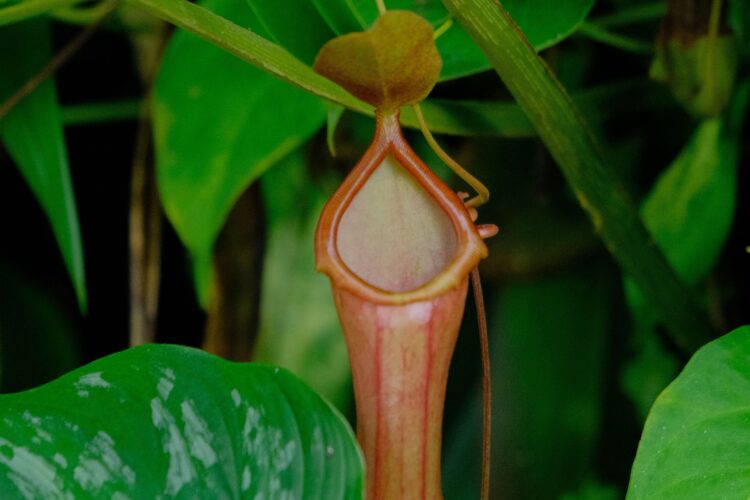
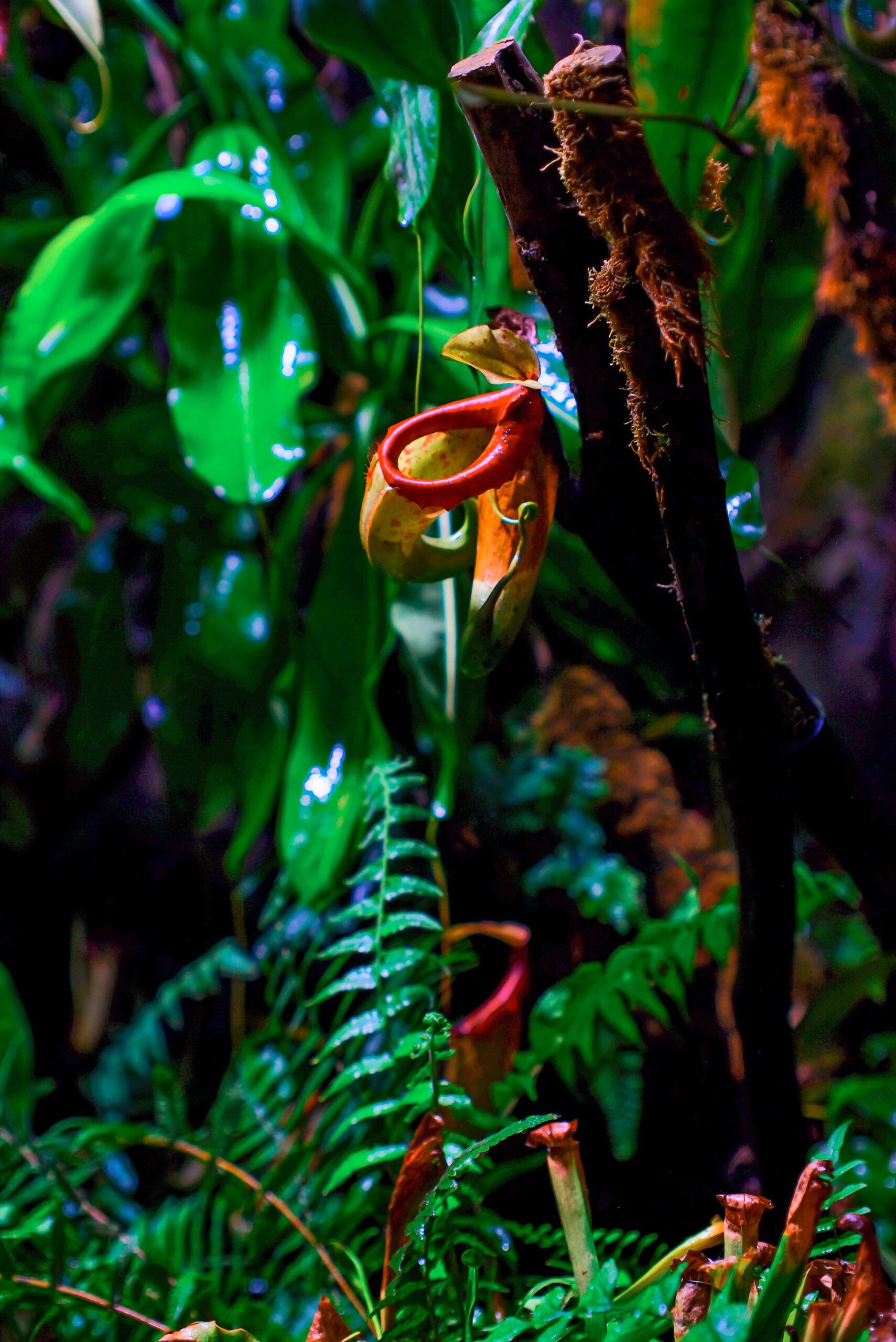
Nepenthes are commonly known as tropical pitcher plants or monkey cups. They produce hanging pitchers attached to climbing or trailing vines.
Their traps come in beautiful shades of green, red, orange, and purple. Many species grow in Southeast Asian rainforests, including Borneo, Malaysia, Indonesia, and the Philippines.
Best environment: Warm conditions, bright filtered light, and suitable humidity.
2. American Pitcher Plants (Sarracenia)
Sarracenia species produce upright, trumpet-shaped pitchers that grow from the base of the plant. Their leaves often feature colorful veins, spots, and decorative lids.
They are native to North America, particularly the southeastern United States, although some species have wider ranges extending into Canada.
Best environment: Plenty of sunlight, moist acidic soil, and seasonal winter dormancy.
3. Cobra Lily (Darlingtonia californica)
The cobra lily is a distinctive carnivorous plant with curved pitchers that resemble a raised cobra. Its unusual hood and small openings help confuse trapped insects.
It naturally grows in wet habitats in parts of northern California and Oregon.
Best environment: Bright light and cool root conditions with clean, mineral-free water.
4. Sun Pitchers (Heliamphora)
Heliamphora species are often called sun pitchers. They have tall, open, tubular leaves and are native to the mountainous tepuis of South America.
Unlike some other pitcher plants, they rely on microorganisms to help break down captured insects.
Best environment: Bright light, high humidity, and carefully controlled temperatures.
5. Australian Pitcher Plant (Cephalotus follicularis)
This unusual species produces small, ground-level pitchers with attractive striped patterns and lids. It is native to southwestern Australia.
Its compact growth makes it especially interesting to collectors of unusual carnivorous plants.
Best environment: Bright light, good airflow, and consistently moist but well-aerated growing medium.
Where Do Pitcher Plants Grow Naturally?
Pitcher plants are found in different countries and climates around the world. Their natural distribution depends on the plant group and species.
- Southeast Asia: Tropical Nepenthes species are common in countries such as Indonesia, Malaysia, and the Philippines.
- Borneo: The island is famous for its extraordinary diversity of tropical pitcher plants.
- North America: American pitcher plants grow in wetlands and bogs across parts of the United States and Canada.
- South America: Heliamphora species grow in the highland environments of Venezuela, Guyana, and Brazil.
- Australia: Cephalotus follicularis is native to southwestern Australia.
- Madagascar: Certain tropical pitcher plant species are also found here.
Although these plants come from different parts of the world, many share an interesting adaptation: their carnivorous traps help them obtain nutrients in environments where the soil contains very little available nitrogen.
What Do Pitcher Plants Eat?
One of the most common questions about these plants is: what do pitcher plants eat? Their diet mainly consists of small insects and other invertebrates that are attracted to their pitchers.
Depending on the species and its natural environment, their prey can include:
- Flies and houseflies
- Ants
- Mosquitoes
- Moths
- Beetles
- Small crawling insects
- Other tiny invertebrates
Some exceptionally large tropical pitcher plants can occasionally trap larger prey, including small vertebrates. However, insects remain the typical food source for most species.
Can Pitcher Plants Eat Mice or Frogs?
Large Nepenthes species have occasionally been documented trapping small animals, including frogs and small mammals. However, these unusual events should not be confused with their normal diet. Most pitcher plants primarily capture insects and other small invertebrates.
How Do Pitcher Plants Work?
Pitcher plants use several natural adaptations to catch their prey. Although the exact trapping mechanism differs between species, the process generally follows these stages:
- Attraction: Bright colors, sweet nectar, and natural scents attract insects.
- Landing: Insects approach the pitcher and land near its slippery opening.
- Trapping: Smooth surfaces, slippery rims, and specialized hairs make climbing out difficult.
- Digestion: The trapped prey is broken down by digestive enzymes or microorganisms.
- Nutrient absorption: The plant absorbs useful nutrients through specialized tissues inside its pitcher.
These adaptations allow pitcher plants to survive in environments where ordinary plants may struggle to obtain sufficient nutrients.
Pitcher Plants Care Guide: How to Grow Them Successfully
Growing pitcher plants can be rewarding, but their care requirements are different from those of ordinary indoor plants. The most important thing is to identify your species before choosing its soil, light, temperature, and watering routine.
1. Light Requirements
Light requirements depend on the variety you grow.
- Nepenthes: Prefer bright, indirect or filtered light. Some varieties tolerate gentle morning sunlight.
- Sarracenia: Generally need several hours of direct sunlight daily to develop strong, colorful pitchers.
- Heliamphora: Prefer bright light and cool growing conditions.
- Cephalotus: Grow well in bright light, with protection from excessive heat.
If you are growing tropical pitcher plants indoors, an east-facing window can be a useful starting point. Watch the leaves and pitchers for signs of light stress.
2. Watering Requirements
Water quality is extremely important when caring for carnivorous plants. Many pitcher plants are sensitive to minerals and dissolved salts commonly found in tap water.
Whenever possible, use:
- Rainwater
- Distilled water
- Reverse osmosis water
Sarracenia generally prefer consistently wet growing media and can be grown using the water-tray method. Tropical Nepenthes prefer evenly moist but airy growing media rather than sitting in deep standing water.
3. Best Soil for Pitcher Plants
Ordinary garden soil and standard fertilized potting mixes are generally unsuitable for pitcher plants. These plants have adapted to nutrient-poor environments, and excessive fertilizer or minerals can damage their roots.
Common growing materials include:
- Long-fiber sphagnum moss
- Unfertilized peat moss
- Perlite
- Clean horticultural sand
- Orchid bark for suitable tropical mixes
For Sarracenia, a common starting mix is equal parts unfertilized peat moss and perlite. Nepenthes generally prefer a more open, airy mix, often containing sphagnum moss, perlite, and orchid bark.
4. Temperature and Humidity
Tropical pitcher plants generally appreciate warm conditions and moderate to high humidity. Some highland Nepenthes need cooler nights, while lowland species prefer consistently warm temperatures.
American pitcher plants have different needs. Many Sarracenia species require a cool winter dormancy period to remain healthy over the long term.
Before buying a pitcher plant, check whether it is a lowland tropical, highland tropical, or temperate species.
5. Feeding Your Pitcher Plant
Outdoor pitcher plants usually catch enough insects naturally. Indoor plants may catch fewer insects, but they can often survive without frequent supplemental feeding.
Never give your pitcher plant meat, cheese, or regular human food. These plants are adapted to digest small prey, not large food scraps.
If supplemental feeding is necessary, follow species-specific guidance from a reputable carnivorous plant grower. Avoid adding ordinary fertilizer directly to the soil.
6. Pruning and Maintenance
Old pitchers may naturally turn brown as they age. This does not automatically mean the plant is dying.
You can remove completely brown and dry pitchers using clean scissors. Avoid cutting healthy green leaves because they continue to support the plant’s growth.
For temperate varieties, follow the correct seasonal dormancy routine instead of treating them like tropical houseplants throughout the year.
Can Pitcher Plants Live Indoors?
Yes! Some pitcher plants can grow successfully indoors, especially tropical Nepenthes varieties. They are popular among collectors because their hanging pitchers create an unusual decorative display.
For indoor growing, choose a bright location with suitable humidity and good air circulation. A grow light can help if natural light is insufficient.
American pitcher plants can also be grown in containers, but many require much stronger light and a seasonal winter dormancy period. They are often better suited to outdoor growing or specialized growing spaces.
Are Pitcher Plants Toxic to Cats and Dogs?
Pet owners often search whether pitcher plants are poisonous to cats or dogs before bringing one home.
Some individual pitcher plant species are listed as non-toxic to pets. For example, the ASPCA lists the California pitcher plant (Darlingtonia californica) as non-toxic to cats and dogs.
However, this does not establish the safety of every species sold under the common name pitcher plant. Different varieties should be checked individually before being introduced into a home with pets.
Even with plants considered non-toxic, it is best to prevent pets from chewing on leaves, pitchers, or growing media. Contact a veterinarian if your pet eats an unfamiliar plant and develops symptoms such as vomiting or diarrhea.
Do Pitcher Plants Flower?
Yes, pitcher plants can produce flowers. Their flowers usually grow on tall stems, sometimes rising above the pitchers.
Depending on the species, flowers may be small and greenish, cream-colored, reddish, or otherwise subtly colored. Many pitcher plants have separate male and female flowers, and pollination is important for producing seeds.
Although their unusual pitchers receive most of the attention, their flowers are another fascinating part of their life cycle.
Are Pitcher Plants Endangered?
Some pitcher plant species face conservation threats because of habitat destruction, deforestation, land development, and illegal collection.
Tropical species growing in restricted mountain habitats can be particularly vulnerable to environmental changes. Certain American pitcher plants also depend on healthy wetland habitats that are increasingly affected by drainage and development.
If you want to grow pitcher plants at home, purchase nursery-propagated specimens from responsible growers rather than collecting plants from the wild.
Common Problems When Growing Pitcher Plants
Brown Pitchers
Older pitchers naturally dry out. However, poor water quality, excessive heat, and unsuitable humidity can also cause browning.
No New Pitchers
Insufficient light, low humidity, unsuitable temperatures, or a change in growing conditions may prevent new pitchers from developing.
Yellow Leaves
Yellowing can be related to natural aging, root stress, mineral buildup, or inappropriate watering.
Slow Growth
Low light, seasonal dormancy, root problems, and unsuitable temperatures can slow down pitcher plant growth.
Frequently Asked Questions About Pitcher Plants
1. Are pitcher plants carnivorous?
Yes. Pitcher plants are carnivorous plants that capture and digest insects and other small prey to obtain nutrients.
2. What do pitcher plants eat?
They mainly eat flies, ants, mosquitoes, beetles, moths, and other small insects. Some large species occasionally capture small vertebrates.
3. Are pitcher plants easy to care for?
Some tropical Nepenthes hybrids are manageable for beginners if their light, humidity, water, and temperature requirements are met. Other species require more specialized care.
4. Do pitcher plants need direct sunlight?
It depends on the species. Sarracenia generally need strong direct sunlight, while many tropical Nepenthes prefer bright filtered light.
5. Can pitcher plants survive without eating insects?
Yes. Insects provide additional nutrients, but pitcher plants also produce energy through photosynthesis. They do not need to be manually fed constantly.
6. Can pitcher plants grow in ordinary potting soil?
No. Standard potting soil often contains fertilizers and minerals that can harm carnivorous plants. Use an appropriate nutrient-poor growing medium.
7. Are pitcher plants safe for cats?
Some species are listed as non-toxic to cats, but pet safety should be checked using the exact botanical name of the variety you own.
8. Where can I buy pitcher plants?
Look for reputable carnivorous plant nurseries, specialist online plant shops, and garden centers. Choose nursery-propagated plants rather than wild-collected specimens.
Final Thoughts
Pitcher plants are remarkable examples of how plants adapt to challenging environments. Their unusual insect-catching leaves, colorful appearances, and fascinating feeding mechanisms make them an exciting addition to any plant collection.
Whether you choose a tropical Nepenthes, an American Sarracenia, or a compact Australian pitcher plant, understanding its natural habitat is the key to growing it successfully.
With the right light, clean water, suitable soil, and species-specific care, you can enjoy these extraordinary carnivorous plants for years.
Keep exploring HappyPlant for more interesting plant facts, growing advice, and practical plant care guides!
0 Comments