Can a Happy Light Grow Plants? What Actually Works
Updated 2026 · Plant Light Guide · HappyPlant.info
If you already own a "happy light" for seasonal mood support and you're wondering whether it can double as a grow light for your houseplants, you're not alone — this is one of the most common questions plant owners ask once winter light gets thin. Here's the honest answer, plus what to use instead if it falls short.
What Is a Happy Light, Exactly?
A "happy light" (sometimes called a SAD lamp or light therapy lamp) is designed for human use — typically to ease symptoms of seasonal affective disorder by mimicking outdoor daylight brightness. These lamps are optimized for the wavelengths and intensity that affect human mood and circadian rhythm, not necessarily the wavelengths plants need for photosynthesis.
Short answer: A happy light can provide some benefit to a plant sitting nearby, but it isn't a substitute for a dedicated grow light if you're trying to support real growth.
Can You Use a Happy Light to Grow Plants?
Technically, yes — to a limited extent. Most happy lights emit white light in the visible spectrum, and plants can use some of that for photosynthesis. But here's the catch: grow lights are engineered to emphasize the red and blue wavelengths plants use most efficiently, while happy lights are tuned for brightness and color temperature that suit human eyes, not plant cells.
Where a Happy Light Falls Short
- Wrong wavelength balance — light therapy lamps prioritize blue-white light for mood, not the full red/blue spectrum plants thrive on
- Limited daily duration — most people only use a happy light for 20–30 minutes a day, far less than the 8–12 hours plants typically need from a real grow light
- Distance and intensity — happy lights are designed to be used close to the face, not positioned for canopy-wide plant coverage
Can Happy Lights Help Plants at All?
If your happy light is already running near a windowsill where your plants sit, it likely provides a small supplemental boost — better than nothing, especially during short winter days. But if a plant is struggling specifically due to low light (leggy growth, pale leaves, slow development), a happy light alone usually won't fix it.
What to Use Instead: Real Grow Lights
For plants that genuinely need more light, a dedicated LED grow light is the better investment. Look for one labeled with a full or red/blue spectrum, run it for 8–12 hours a day on a timer, and position it 12–24 inches above the plant depending on intensity. This is especially relevant for light-hungry houseplants — for species-specific light needs, see our Happy Plant care guide and our broader happiness plant care guides collection.
Can Fake Plants Make You Happy Too?
Interestingly, the light question connects to a bigger one: do plants need to be real to lift your mood? Some research suggests even artificial greenery provides a mild psychological benefit through color and visual texture, though it doesn't match the full effect of caring for a living plant. We explore this more in do plants make you happy? and round up specific mood-boosting varieties in plants that bring happiness.
Are Plants Happy When It Rains?
It's a charming idea, and there's some truth to it — rainwater is naturally soft, free of the chlorine and added minerals found in most tap water, and many houseplants do respond well to it. If you've ever noticed your plants perk up after a storm, soft water and the drop in barometric pressure are likely part of the reason.
Are Happy Plants Toxic to Cats and Dogs?
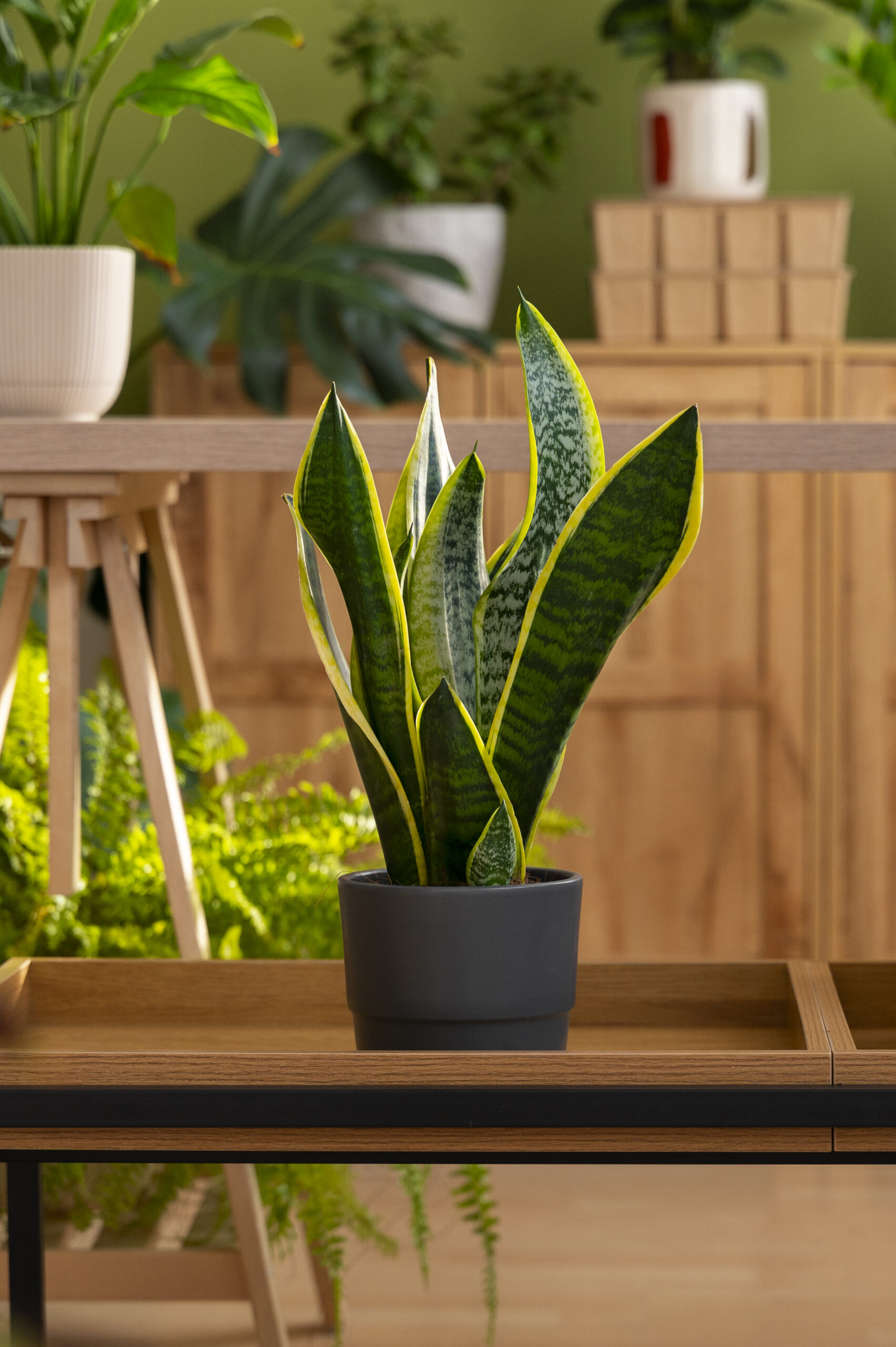
Important: Yes — Dracaena species, often sold under the "Happy Plant" name, are considered toxic to both cats and dogs if chewed or ingested. Symptoms can include vomiting, drooling, and loss of appetite. If you suspect ingestion, contact your veterinarian right away.
If you share your home with curious pets, keep any Dracaena or similar houseplant on a high shelf or in a room they don't have regular access to, rather than skipping greenery altogether.
Final Thoughts
A happy light isn't a true grow light, but it's not useless to nearby plants either — think of it as a small supplemental boost rather than a primary light source. If your plant genuinely needs more light, invest in a proper grow light instead. And whichever light source you choose, keep your plant out of reach if you have pets at home. For everything else on keeping your greenery thriving, see our ultimate guide to growing, gifting, and celebrating with plants.
Read the Full Care Guide
Tags:
Grow Lights
Happy Light
Plant Light Requirements
Pet Safety
Indoor Plants
Plant Wellbeing


0 Comments