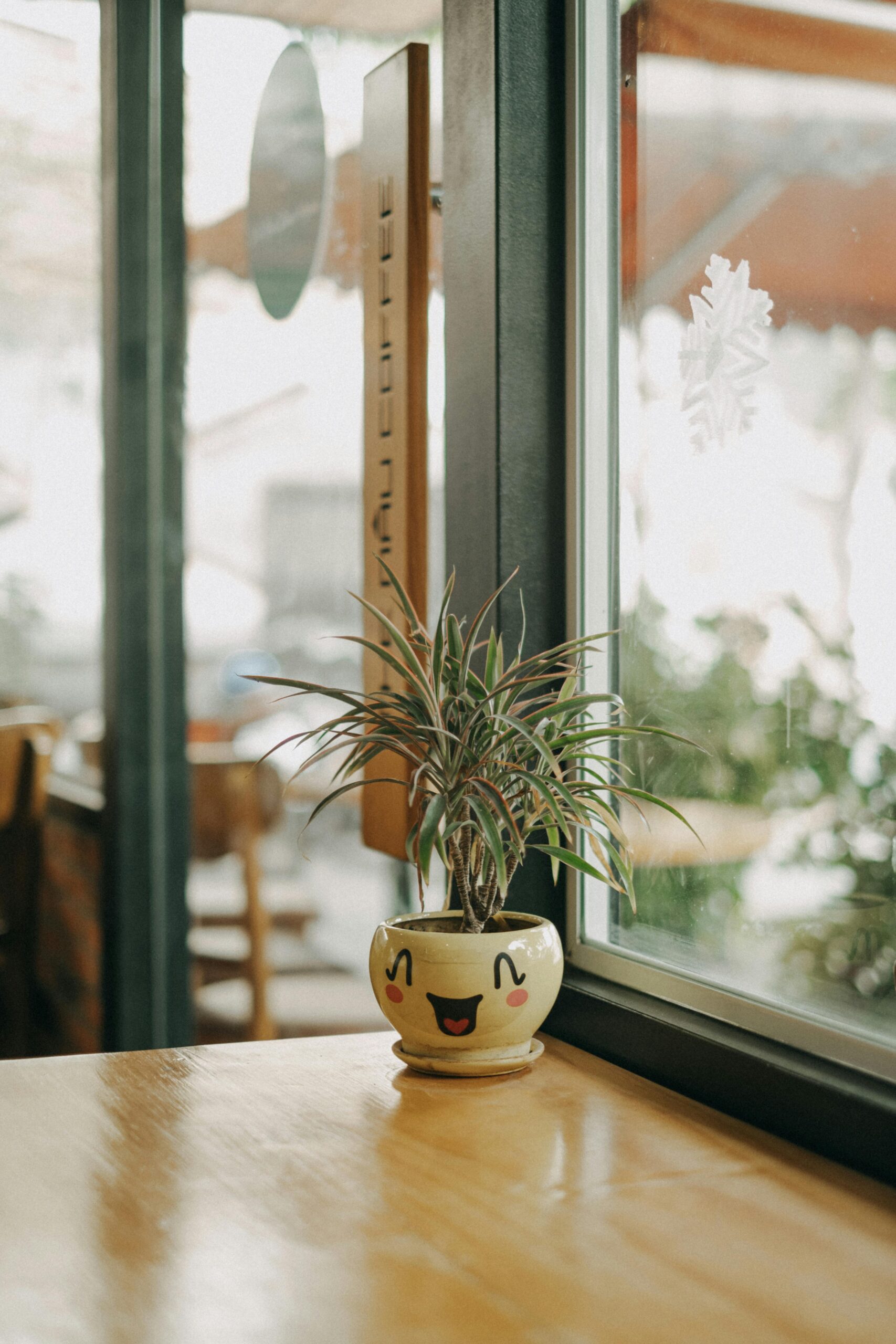
Published on HappyPlant.info | Your trusted happy plant nursery guide
There is nothing quite as disheartening as walking over to your beloved plant and finding leaves that have gone from a lush, vibrant green to a sad, washed-out yellow. Whether you are caring for an indoor plant on your windowsill or tending to an outdoor garden bed, yellowing leaves are one of the most common distress signals a plant can send you.
The good news? In most cases, it is completely fixable — and understanding the why is the first step to bringing your happy plant back to life.
In this guide, we are going to walk through every possible reason your plant leaves are turning yellow, from nutrient deficiencies to watering mistakes, seasonal changes to pest problems. By the end, you will know exactly how to diagnose and fix the issue — whether you have an indoor plant, an outdoor plant, or a tropical happy plant tree sitting in your living room.
What Does Leaf Yellowing Actually Mean?
Leaf yellowing — scientifically called chlorosis — happens when a plant loses chlorophyll, the green pigment responsible for photosynthesis. Without enough chlorophyll, the leaf cannot produce food for the plant, which is why yellowing is often a signal that something is wrong.
According to the Royal Horticultural Society (RHS), chlorosis in plants is one of the most commonly reported issues by home gardeners. But not all yellow leaves mean the same thing — the pattern of yellowing tells a very different story depending on the cause.
The Most Common Causes of Yellowing Leaves
1. Nutrient Deficiency — The #1 Culprit
The most well-known reason for yellowing of leaves is a deficiency of nitrogen. Nitrogen is the primary nutrient responsible for giving leaves their green color. When a plant runs low on nitrogen, older, lower leaves turn yellow first as the plant pulls nitrogen from them to feed newer growth.
Here is a breakdown of the most common nutrient deficiencies and how to recognize them, as documented by Gardening Know How:
Nitrogen Deficiency
Yellowing starts from the older, lower leaves and moves upward. The entire leaf turns pale yellow-green.
Iron Deficiency
Yellow leaves with green veins — especially on young, new leaves — is a strong sign of iron deficiency. This is common when soil pH is too high, preventing iron absorption even if it is present in the soil.
Magnesium Deficiency
Yellow patches appear between the leaf veins (interveinal chlorosis) on older leaves. Magnesium is a core building block of chlorophyll, so a shortage shows up fast.
Potassium Deficiency
Yellowing begins at the leaf edges and tips, often with brown scorching along the margins.
How to fix it: Use a balanced, slow-release fertilizer. For iron deficiency specifically, try chelated iron or adjust your soil pH to 6.0–6.5. Neem oil treatments can also help improve overall plant health while managing pests that stress nutrient uptake.
2. Overwatering — The Silent Killer
This is arguably the single most common reason indoor plant leaves turn yellow. When a plant sits in waterlogged soil, its roots are deprived of oxygen. Roots begin to rot, and a rotting root system cannot deliver water or nutrients to the leaves.
The Spruce explains that overwatering is responsible for more houseplant deaths than any other cause.
Signs of overwatering:
- Soft, mushy stems near the base
- Yellowing of many leaves at once
- Soil that stays wet for days after watering
- A musty or sour smell from the soil
How to fix it: Allow the soil to dry out completely before watering again. Check that your pot has proper drainage holes. If root rot has set in, remove the plant, trim the rotten roots, and repot in fresh, well-draining soil.
3. Yellowing of Leaves Due to Deficiency of Water (Underwatering)
On the flip side, yellowing of leaves is also due to deficiency of water. When a plant is severely underwatered, it begins to shut down non-essential functions. Leaves lose turgor, curl inward, and turn yellow — often starting at the tips.
Signs of underwatering:
- Dry, crumbly soil that pulls away from the pot edges
- Leaves that feel dry or crispy
- Plant leaves turning yellow at tips first
- Wilting even after watering
How to fix it: Water deeply and consistently. For most indoor plants, watering when the top inch of soil is dry is a good rule of thumb. Read more about proper watering schedules at Smart Garden Guide.
4. Plant Leaves Turning Yellow at Tips — What It Usually Means
When yellowing starts specifically at the tips of the leaves, it is often pointing to one of these causes:
- Underwatering — tips dry out first
- Low humidity — especially for tropical plants
- Fluoride or salt buildup in the soil — common with tap water
- Potassium or calcium deficiency
- Root bound conditions — the plant has outgrown its pot
Happy plant tips brown alongside yellow tips often indicates a humidity issue, especially for tropical happy plant varieties. Learn more about tropical plant care at Houseplant Central.
5. Too Much or Too Little Light
Light is food for plants. Too little, and the plant cannot photosynthesize — leaves yellow and drop. Too much direct light, and leaves scorch and bleach out.
According to Bloomscape’s plant care guides, most common houseplants prefer bright, indirect light — avoiding both extremes is key to keeping leaves healthy and green.
6. Why Do Leaves Turn Yellow in Autumn? (Seasonal Changes)
Not all yellow leaves are a cause for alarm. In autumn, deciduous trees and many outdoor plants naturally turn yellow, orange, and red as they prepare for dormancy. This is a completely normal biological process explained in detail by the Royal Horticultural Society.
As days shorten and temperatures drop, the plant produces less chlorophyll. The green fades to reveal the yellow and orange pigments (xanthophylls and carotenoids) that were always there, hidden beneath the green.
7. Pests and Disease
Pests such as spider mites, aphids, mealybugs, and fungus gnats can cause significant yellowing by feeding on plant tissue. Look closely at the undersides of yellow leaves for tiny insects, webbing, or sticky residue.
Happy plant neem oil is an excellent natural treatment for both pests and certain fungal issues. Dilute it with water and a small amount of dish soap, then spray the entire plant every 7–10 days until the problem clears. Read a full guide on neem oil usage at Plant Care Today.
8. Temperature Stress and Drafts
Plants are sensitive to sudden temperature changes. Cold drafts from air conditioners or open windows, or heat from radiators and vents, can cause leaves to yellow rapidly. A happy plant not happy often looks exactly like this when placed in the wrong temperature environment.
9. Root Bound Plants
When a plant outgrows its pot, its roots have nowhere to go. The cramped root system becomes unable to absorb enough water and nutrients, leading to yellowing — often combined with roots visibly escaping from drainage holes.
Learn how to repot your plant properly at Gardeners Path.
Indoor Plant Leaves Turning Yellow — Special Considerations
Indoor plants face unique challenges that outdoor plants do not. The Spruce highlights low humidity, tap water quality, and pot material as three factors most commonly overlooked by indoor plant owners.
- Low humidity — Many indoor plants need 50–60% humidity. Use a humidifier, pebble tray with water, or group plants together.
- Tap water quality — Fluoride and chlorine accumulate in the soil and cause tip burn. Switch to filtered or rainwater if possible.
- Repotting shock — After repotting, give the plant a week or two to adjust before worrying.
How to Fix Yellow Leaves on Indoor Plants — Step-by-Step
Here is a simple diagnostic process recommended by Smart Garden Guide:
- Check the soil — Is it soggy or bone dry? Adjust watering accordingly.
- Look at the pattern — Lower leaves yellowing (nitrogen deficiency or overwatering)? Tips first (underwatering, humidity, or salt buildup)?
- Inspect for pests — Check the undersides of leaves. Apply neem oil if pests are present.
- Check light levels — Move the plant to a brighter or less intense light position and observe for two weeks.
- Test your soil — A basic pH test kit can reveal whether your soil pH is affecting nutrient absorption.
- Fertilize if needed — Use a balanced liquid fertilizer every 2–4 weeks during the growing season.
- Check the roots — If you suspect root rot or the plant is root bound, repot with fresh, well-draining potting mix.
Is My Happy Plant Toxic to Cats or Dogs?
This is one of the most frequently searched questions — and an important one if you have pets. According to the ASPCA’s toxic plant database, Dracaena species (the happy plant) contain compounds called saponins, which are mildly toxic to cats and dogs if ingested. Symptoms in pets include drooling, vomiting, and weakness.
If you have pets, place your happy plant out of reach. Always consult your vet if you suspect your pet has chewed on a plant. You can also verify plant toxicity at VCA Animal Hospitals.
Happy Plant Nearby — Finding the Right Varieties for Your Space
If you are searching for a happy plant for sale, you can find great options at:
- Etsy — Small nurseries and independent sellers
- Amazon — Widely available with fast delivery
- Crocus (UK) — Excellent online garden centre
- Nursery Live — Great for South Asia shoppers
Final Thoughts — Listen to Your Plants
Your plants are always communicating with you. Yellow leaves are not a failure — they are an invitation to look closer, understand what your plant needs, and make a small adjustment. Most of the time, the solution is simpler than you think.
Whether you are a first-time plant parent or a seasoned green thumb, remember: a happy plant is one that has the right balance of water, light, nutrients, and love.
🌿 Useful Resources
Want to learn more? Here are the trusted sources referenced in this article:
🌱 Plant Care
- Royal Horticultural Society (RHS) — Expert plant advice from the UK’s leading garden authority
- Gardening Know How — Extensive plant problem database
- The Spruce — Home and garden guides
- Smart Garden Guide — Indoor plant specialist
- Houseplant Central — Tropical plant care guides
- Plant Care Today — Neem oil and natural pest control
- Gardeners Path — Repotting and growing guides
- Bloomscape — Plant shop with detailed care guides
🐾 Pet Safety
- ASPCA Toxic Plant Database — Check if any plant is safe for your pets
- VCA Animal Hospitals — Plant Toxicities — Veterinary plant safety guide
🛒 Buy Happy Plants Online
- Etsy — Happy Plant for Sale
- Amazon — Dracaena Happy Plant
- Crocus (UK Garden Centre)
- Nursery Live (South Asia)
Found this article helpful? Visit happyplant.info for more plant care guides, growing tips, and everything you need to keep your plants thriving!

0 Comments