Happy Jack Plant Guide: Happy Jack Clematis Care, Pruning & Where to Buy
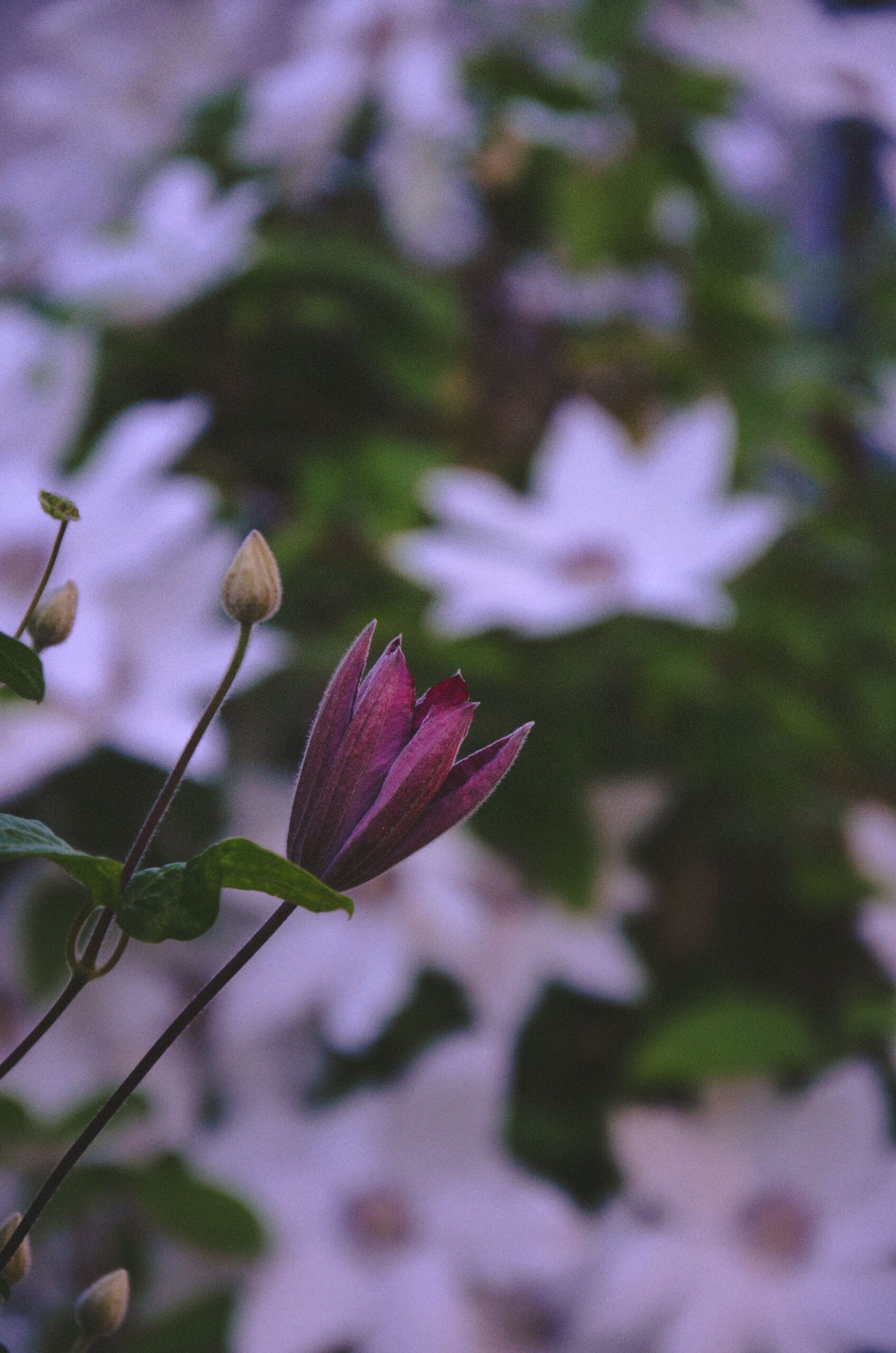
The Happy Jack plant — better known by its full name, Happy Jack clematis — is a compact, free-flowering vine prized for its abundant purple blooms and easy-care nature compared to older clematis varieties. This guide covers how to grow and care for it, when and how to prune it, its bloom time, how it compares to the classic Jackmanii clematis, and where to find one for your garden. For more plant care guides, see our homepage.
What Is Happy Jack Clematis?
Happy Jack clematis is part of a compact clematis series bred for smaller gardens and containers, offering the same climbing habit and large blooms as bigger varieties in a more manageable size — typically growing to around 4–6 feet, compared to the 8–12+ feet many traditional clematis vines can reach. It's especially popular for its Happy Jack purple flowers, which appear in abundance over a long bloom period.
Happy Jack Clematis Care
Light: Clematis generally do best with "head in the sun, feet in the shade" — meaning the vine and flowers want good sun exposure while the roots stay cool and shaded, often achieved with mulch or a low companion plant at the base.
Soil: Rich, well-draining soil with consistent moisture supports the best blooming; clematis don't like sitting in soggy soil.
Water: Water regularly, especially during the first growing season while the root system establishes, then maintain even moisture through the blooming period.
Support: As a climbing vine, Happy Jack clematis needs a trellis, obelisk, or other support structure to climb, since it attaches by wrapping its leaf stems around something to hold onto.
Feeding: A balanced, slow-release fertilizer in spring supports strong growth and blooming through the season.
How Much Sun Does a Clematis Need?
Most clematis, including Happy Jack, bloom best with at least 4–6 hours of direct sun a day. They can tolerate partial shade, but flowering is usually reduced compared to plants grown in fuller sun — so a spot with good light on the vine itself, paired with shaded roots, tends to give the best results.
Happy Jack Clematis Pruning
Pruning depends on the clematis's pruning group, and getting this right matters for bloom production:
- Group 3 (typical for Happy Jack): Blooms on new growth produced in the current season, so it can be pruned back hard — often to about 12 inches from the ground — in late winter or early spring before new growth starts
- Why it matters: Pruning at the wrong time or in the wrong way for a plant's group can remove the wood that would have produced that season's flowers
Because pruning groups can vary slightly by specific cultivar and grower labeling, it's worth double-checking the plant tag or supplier information for your particular Happy Jack clematis to confirm its exact group before your first hard pruning.
Happy Jack Clematis Bloom Time
Happy Jack clematis is known for a long, generous bloom period, typically flowering from early summer through late summer, and sometimes into early fall with deadheading and consistent care. This extended bloom window is one of the main reasons it's a popular choice compared to varieties with a shorter, single flush of flowers.
Happy Jack vs. Jackmanii Clematis
Both are popular purple-flowering clematis, but they differ in size and habit:
| Feature | Happy Jack Clematis | Jackmanii Clematis |
|---|
| Typical height | 4–6 feet | 8–12 feet or more |
| Growth habit | Compact, container-friendly | Larger, vigorous climber |
| Bloom size | Medium, abundant | Large, classic deep-purple blooms |
| Best use | Small gardens, pots, tight spaces | Larger trellises, arbors, fences |
If you have limited space or want a container-grown clematis, Happy Jack is generally the better fit; if you have a larger structure to cover and want a bigger, more classic display, Jackmanii remains a popular choice.
Purple Clematis Varieties
Happy Jack sits within a wider world of purple-flowering clematis. A few other well-known purple varieties gardeners often compare it to include Jackmanii (deep violet-purple, vigorous grower), 'The President' (rich purple with a silvery reverse), and 'Multi Blue' (a striking, ruffled double-purple bloom). Comparing bloom size, growth habit, and mature height across a few varieties can help you pick the best match for your space.
Where to Buy Happy Jack Clematis
If you're looking for Happy Jack clematis for sale, good places to check include:
- Local nurseries and garden centers — often the best source for healthy, already-established plants suited to your climate
- Proven Winners — Happy Jack is part of their compact vine lineup, and their site can help locate retailers near you
- Home Depot and similar retailers, which often stock potted clematis in season
- Online specialty nurseries — useful if you want to compare Happy Jack against other purple clematis varieties before buying
Quick FAQ
How do you care for a Happy Jack clematis?
Give it sun on the vine with shaded roots, consistently moist well-draining soil, a support structure to climb, and a hard prune in late winter or early spring since it typically blooms on new growth.
How long do Happy Jack clematis bloom?
They typically flower from early summer through late summer, sometimes extending into early fall with regular deadheading.
Do clematis like full sun or shade?
Most clematis, including Happy Jack, bloom best with several hours of direct sun on the vine while the roots stay cool and shaded at the base.
What pruning group is Happy Jack clematis?
It's typically classified in Group 3, meaning it blooms on new growth and can be cut back hard in late winter or early spring — though it's worth confirming with your specific plant tag or supplier.
Final Thoughts
Happy Jack clematis brings the classic charm of a purple-flowering vine into a size that fits small gardens, patios, and containers, without sacrificing the long bloom season gardeners love clematis for. With the right pruning timing and a bit of consistent care, it's a rewarding, low-fuss addition to almost any sunny spot that needs vertical color.
For more plant guides, explore plants that bring happiness and what a happy plant actually means. You can also learn more about us or get in touch with questions, or visit our homepage for more plant care guides.



0 Comments