Pitcher plants are some of the most fascinating carnivorous plants you can grow. Their tube-shaped leaves trap and digest prey, and their colors range from deep purple to bright red. Whether you want a small pitcher plant for your windowsill or a tall one for your garden, knowing the types of pitcher plants is the first step to choosing one that will thrive.
If you are completely new to these plants, start with our guide on what are pitcher plants to learn how the trapping mechanism works. When you are ready to grow one, our pitcher plants care guide covers the full routine.
The Three Main Groups of Pitcher Plants
The species of pitcher plants fall into three main genera:
- Sarracenia (North American pitcher plants)
- Nepenthes (tropical pitcher plants)
- Cephalotus and others (Cephalotus follicularis and the rarer Heliamphora and Darlingtonia)
Most hobbyists work with the first two, so we will focus there.
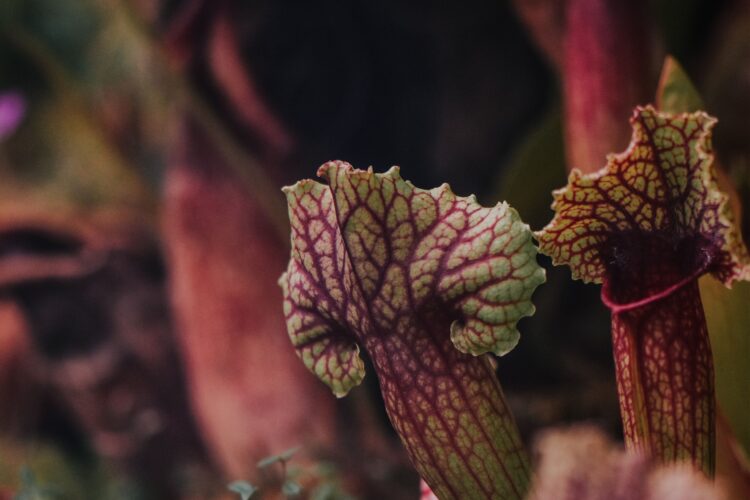
Sarracenia: North American Pitcher Plants
Sarracenia pitcher plants are native to the eastern United States and parts of Canada, including states like Virginia, Texas, and Pennsylvania. Because they come from temperate regions, they are often called temperate pitcher plants. They go through a winter dormancy and can survive frost, which makes them popular outdoors in the US, the UK, and Canada.
Common Sarracenia types include:
- Sarracenia purpurea (purple pitcher plant): The hardiest species, with wide, vase-shaped pitchers that collect rainwater. It grows as far north as Quebec.
- Sarracenia flava (yellow trumpet): Tall, slender trumpet pitcher plants that can reach 90 cm.
- Sarracenia leucophylla (white pitcher plant): Known for white tops with red veins.
- Sarracenia rubra (sweet pitcher plant): A smaller species with a pleasant scent.
- Sarracenia psittacina (parrot pitcher plant): A low-growing, unusual pitcher plant with hooded traps.
Sarracenia loves full sun. Pitcher plants kept in too much shade lose their color and produce weaker pitchers, so give them at least 6 hours of direct light.
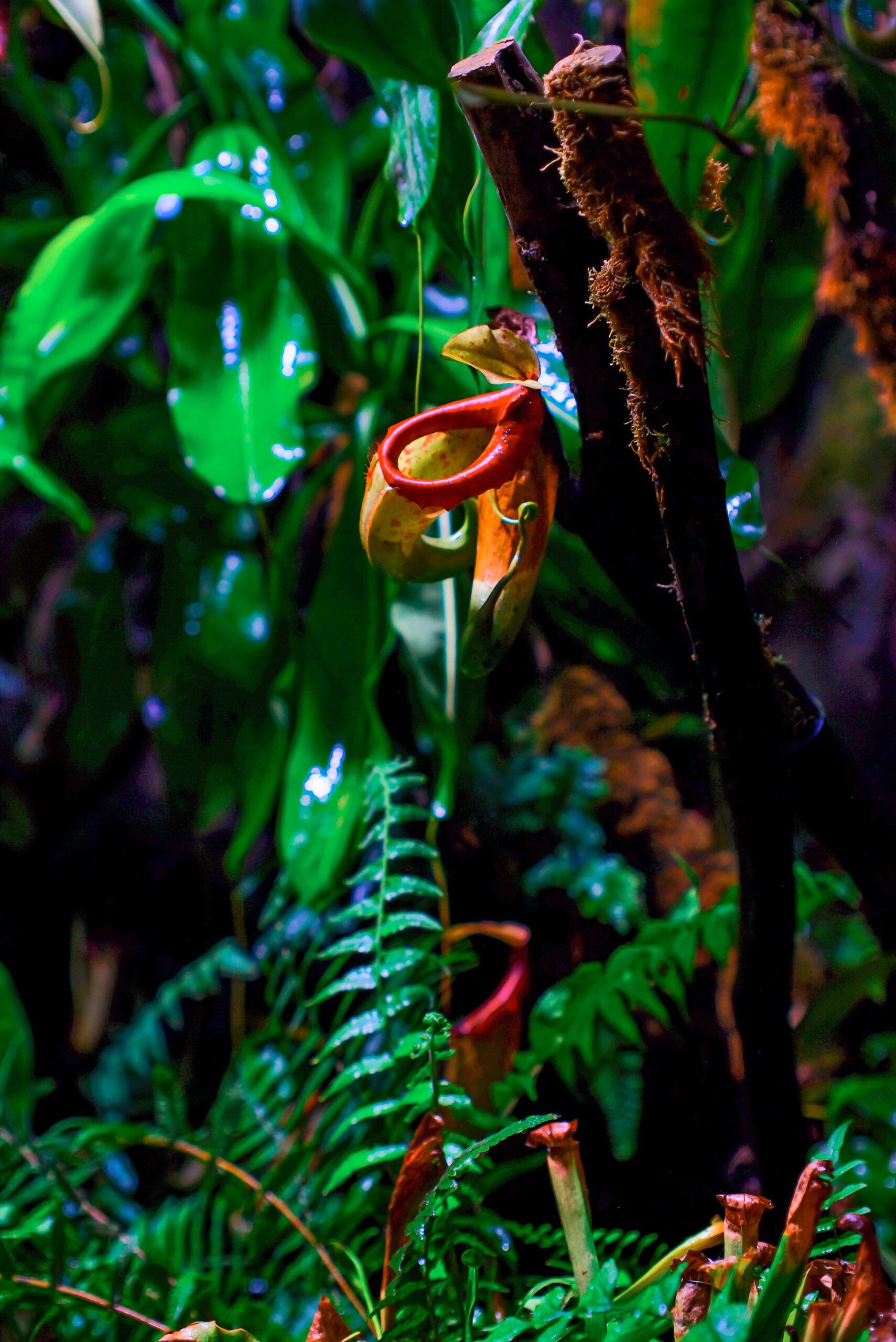
Nepenthes: Tropical Pitcher Plants
Nepenthes are tropical pitcher plants from the rainforests and highlands of Southeast Asia, including Borneo, Sumatra and the Philippines. Many are climbing vines that hang their pitchers from the tips of their leaves. They are often sold as hanging plants and are widely available in places like Singapore and the UAE.
Popular types of Nepenthes pitcher plants include:
- Nepenthes ventricosa: Compact and beginner-friendly, and a good small pitcher plant for indoors.
- Nepenthes alata: Tolerant of a range of conditions, with green and red pitchers.
- Nepenthes rajah: A giant species that is rare and expensive.
- Nepenthes ampullaria: Known for clusters of small, round pitchers on the ground.
Tropical pitcher plants prefer bright, indirect light, high humidity, and temperatures above 15°C (60°F). They are not frost-hardy, so outside of warm climates they are kept indoors.
The Best Soil for Pitcher Plants
Pitcher plants evolved in poor, acidic bogs, so regular potting soil will damage them. The best potting mix for pitcher plants is nutrient-free:
- Sarracenia soil mix: Peat moss and perlite or sand in roughly equal parts.
- Nepenthes soil mix: A looser blend of peat, perlite, orchid bark, and coconut husk.
- Sphagnum moss for pitcher plants: Long-fibre sphagnum works well on its own, especially for Nepenthes.
Never use fertilizer or compost in the mix. Their roots are sensitive and can burn easily.
Watering: Do Pitcher Plants Need Distilled Water?
Yes, they need pure water. Tap water often contains minerals and salts that build up in the soil and slowly kill the plant. Use distilled water, rainwater, or reverse osmosis (RO) water.
Should pitcher plants sit in water? For Sarracenia, yes. Stand the pot in a tray with 2 to 3 cm of water during the growing season. Nepenthes prefer evenly moist soil, so keep them damp but do not leave them in standing water.
Should you put water in pitcher plants? Do not fill the traps yourself. They produce their own digestive fluid, and if a pitcher is dry, it is usually a sign of low humidity rather than a need for refilling.
What Do Pitcher Plants Eat?
Do pitcher plants eat fruit flies? Yes, and they do it very well. Pitcher plants lure insects with sweet nectar and a slippery rim. Prey falls inside and is broken down by enzymes and bacteria. The plants that eat insects most often catch:
- Fruit flies
- Fungus gnats
- Mosquitoes
- Ants and small flies
Pitcher plants are a natural way to reduce small pests, but they will not eliminate a serious infestation. Indoors, you can offer a dead insect once a month if your plant is not catching enough.
Do pitcher plants smell? Some do. Certain Sarracenia release a sweet, nectar-like scent to draw insects in, while others smell faintly musty as prey decomposes inside the traps.
Are Pitcher Plants Poisonous to Cats and Dogs?
Pet owners often ask whether pitcher plants are poisonous to cats and dogs. The good news is that pitcher plants are generally considered non-toxic and safe for cats and dogs. The ASPCA does not list common pitcher plants as toxic. Still, the plant’s fluid and traps can cause mild stomach upset if chewed, and a pet can damage the plant easily, so keep them out of reach.
Why Are My Pitcher Plants Turning Brown or Black?
A few browning leaves are normal, but widespread color change can signal a problem:
- Turning brown in autumn: Natural for Sarracenia as they enter dormancy. Trim the dead growth.
- Turning brown on Nepenthes: Often low humidity or old pitchers dying off.
- Turning black: Frequently a sign of mineral buildup, overwatering with tap water, or the cold stress of a sudden temperature drop.
Repotting and Propagation
Repotting pitcher plants is best done in late winter or early spring, just before new growth. Gently remove the old soil, trim dead roots, and replant in fresh peat-based mix.
For propagation, Sarracenia can be divided at the rhizome or grown from seeds, while Nepenthes are usually propagated by stem cuttings. Growing pitcher plants from seed takes patience, as seedlings may need several years to mature.
How Quickly Do Pitcher Plants Grow?
Growth rate depends on the species and conditions. Sarracenia produce new pitchers throughout spring and summer, and mature plants fill out a pot within two to three years. Nepenthes can grow quickly in warm, humid conditions, but giant species mature slowly.
Choosing the Right Pitcher Plant for You
- Outdoors in a temperate climate: Choose Sarracenia such as purpurea or flava.
- Indoors with bright light: Try Nepenthes ventricosa or alata.
- Limited space: Go for a small pitcher plant or a compact hybrid.
- Pets in the home: Any common species is a relatively safe choice.
Final Thoughts
From hardy trumpet pitcher plants to exotic tropical Nepenthes, the types of pitcher plants offer something for every grower. Match the species to your climate, use nutrient-free soil and pure water, and give it plenty of light.
For a full routine, read our pitcher plants care guide, and revisit what are pitcher plants if you want a refresher on the basics.
0 Comments