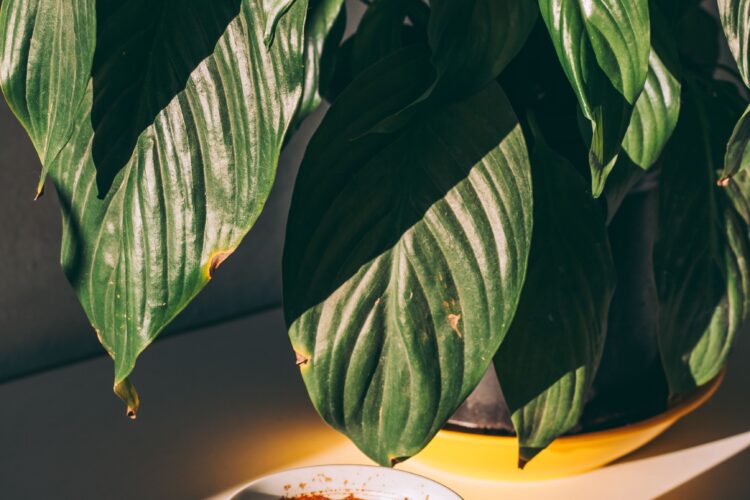
Coffee Plant Guide: Growing, Caring For, and Understanding Where Your Coffee Comes From
Most people who drink coffee every day have never actually seen the plant it comes from. A coffee plant looks nothing like a coffee cup — it's a glossy-leaved shrub that can live for decades, flowers in small white clusters that smell faintly like jasmine, and takes years before it produces its first usable harvest. This guide covers what a coffee plant actually is, how to grow and care for one (indoors or outdoors), the full process from seed to cup, and a handful of related questions people search alongside it — including whether coffee grounds are actually good for your other houseplants.
Quick Answer: What Is a Coffee Plant?
A coffee plant is an evergreen shrub or small tree in the genus Coffea, grown commercially for its seeds — known as coffee beans — which develop inside small red or purple fruits called coffee cherries. The two species grown for commercial coffee are Coffea arabica (arabica) and Coffea canephora (robusta), and the same plant can also be grown as a houseplant for its glossy foliage, even if it never produces a harvestable crop indoors.
Coffee Plant Name and Classification
The coffee plant's scientific genus is Coffea, part of the Rubiaceae family, which also includes gardenias — a relative you can sometimes smell in the coffee plant's flowers. There are more than 120 recognized Coffea species, but only two are grown at commercial scale:
- Coffea arabica — accounts for roughly 60–70% of global coffee production, prized for a smoother, more complex flavor, and generally grown at higher altitudes
- Coffea canephora (robusta coffee plant) — hardier, higher in caffeine, more disease-resistant, and generally grown at lower altitudes; used heavily in instant coffee and espresso blends
Coffee Plant Fruit and Seed: From Cherry to Bean
The coffee plant's fruit is called a cherry, and it starts green before ripening to a deep red (in most varieties) when ready to harvest. Inside each cherry are typically two seeds — the coffee beans — encased in a sticky pulp and a parchment-like layer. What's commonly called a "coffee plant seed" is this bean, which is actually the plant's seed, not a true agricultural seed in the way we'd use the term for a vegetable. A coffee cherry takes around 7 to 9 months to ripen fully after flowering, and a single tree typically doesn't produce its first harvestable crop until it's 3 to 4 years old.
Coffee Plant Process: How Coffee Is Actually Made
The coffee plant process from flowering to a drinkable cup involves several distinct stages:
- Flowering. Small white, fragrant flowers bloom along the branches, usually triggered by rainfall after a dry period.
- Fruit development. Flowers give way to green cherries that gradually ripen to red over several months.
- Harvesting. Ripe cherries are picked by hand (selective picking) or by machine (strip picking), depending on the farm's scale and terrain.
- Processing. The cherry's outer fruit is removed from the bean using either the washed (wet) method, the natural (dry) method, or a honey process, each producing different flavor characteristics.
- Drying. The beans are dried to a stable moisture content, typically on raised beds or patios.
- Milling and sorting. The dried parchment layer is removed, and beans are sorted by size and density.
- Roasting. Green coffee beans are roasted at high heat, developing the aroma, color, and flavor we associate with coffee.
- Grinding and brewing. Roasted beans are ground and brewed to produce the final cup.
How to Grow a Coffee Plant
Growing a coffee plant from seed or a nursery start is a genuine long-term project rather than a quick houseplant win, but it's achievable for a patient grower.
- Start with fresh seed or a nursery plant. Coffee seeds lose viability quickly, so a live nursery plant is a far more reliable starting point than mail-order seed for most home growers.
- Use well-draining, slightly acidic soil (a pH around 6.0–6.5), similar to what's used for citrus or azaleas.
- Provide warmth and humidity. Coffee plants are native to tropical regions and prefer temperatures between 60–75°F (15–24°C), with consistent humidity.
- Give it bright, indirect light. In its natural habitat, coffee often grows under taller canopy trees, so direct, intense sun can scorch the leaves.
- Water consistently
- Be patient. Outdoors in ideal tropical conditions, a coffee plant can take 3–4 years to flower and fruit for the first time; indoors, many plants never fruit at all, and that's normal.
How to Care for a Coffee Plant Indoors
A coffee plant indoor setup is popular mainly for the glossy, deep-green foliage rather than for a home coffee harvest, though fruiting indoors isn't impossible with the right conditions.
- Light: Bright, indirect light from an east- or north-facing window. Direct afternoon sun can scorch the leaves.
- Water: Keep soil consistently moist, watering when the top inch of soil feels dry. Avoid letting the plant sit in standing water.
- Humidity: Indoor coffee plants appreciate higher humidity than the average home provides — a pebble tray, humidifier, or regular misting helps prevent crispy leaf edges.
- Temperature: Keep it away from cold drafts, air conditioning vents, and heating registers, which can cause leaf drop.
- Fertilizer: Feed with a balanced, diluted liquid fertilizer during the growing season (spring through summer), easing off in fall and winter.
- Repotting: Coffee plants grow fairly quickly when happy and typically need repotting into a slightly larger container every 1–2 years.
How to Prune a Coffee Plant
Pruning a coffee plant helps control its size indoors and encourages bushier, fuller growth rather than a single leggy stem. Prune in spring or early summer by pinching or cutting back the top growth just above a leaf node, which encourages branching below the cut. Remove any yellowing, damaged, or crossing branches at the same time, and avoid heavy pruning in fall or winter when the plant's growth naturally slows.
How to Propagate a Coffee Plant
Coffee plants can be propagated from stem cuttings or from fresh seed, though cuttings are generally more reliable for home growers:
- Take a 4–6 inch cutting from a healthy stem with at least two sets of leaves, cutting just below a leaf node.
- Remove the lower set of leaves and dip the cut end in rooting hormone (optional but helpful).
- Plant the cutting in a well-draining, moist potting mix, and cover loosely with a plastic bag or propagator lid to maintain humidity.
- Keep it in bright, indirect light and consistently moist soil until roots establish, typically within 6–8 weeks.
Propagating from seed is possible but slower and less predictable, since coffee seeds need to be fresh (ideally planted within a few weeks of removal from the cherry) and can take 1–3 months to germinate even under good conditions.
Is a Coffee Plant Toxic to Cats?
Yes, coffee plants are considered toxic to cats and dogs. The plant contains caffeine and other methylxanthine compounds, the same substances that make caffeine toxic to pets in general. Ingesting coffee plant leaves, berries, or beans can cause symptoms ranging from vomiting and restlessness to, in larger amounts, more serious cardiac or neurological effects. If you have cats or dogs with access to your plants, it's worth keeping a coffee plant out of reach, and contacting a veterinarian promptly if you suspect your pet has chewed on one.
Coffee Plant vs. Coffee Tree: Is There a Difference?
"Coffee plant" and "coffee tree" are generally used interchangeably, and both refer to the same genus, Coffea. In the wild and on commercial farms, coffee can grow into a small tree 15–30 feet tall if left unpruned, which is where the "tree" terminology comes from. As a houseplant, it's almost always kept pruned to shrub size, which is why "coffee plant" is the more common term in a home-growing context.
Arabica vs. Robusta: A Quick Comparison
| Feature | Arabica (Coffea arabica) | Robusta (Coffea canephora) |
|---|---|---|
| Global production share | ~60–70% | ~30–40% |
| Caffeine content | Lower | Higher (roughly double) |
| Flavor profile | Smoother, more acidic, complex | Stronger, more bitter, earthy |
| Growing altitude | Higher elevations (2,000–6,500 ft) | Lower elevations, sea level to 2,000 ft |
| Disease resistance | More susceptible | More resistant, hardier plant |
| Common uses | Specialty coffee, drip, pour-over | Espresso blends, instant coffee |
Are Coffee Grounds Good for Plants?
Yes, used coffee grounds can benefit many garden and houseplants in moderation, since they add organic matter, improve soil structure, and release nitrogen as they break down. They work best mixed into compost or lightly scratched into soil rather than piled thickly on top, which can form a water-repellent crust and encourage mold.
What Plants Like Coffee Grounds?
Plants that generally benefit from used coffee grounds tend to prefer slightly acidic soil, including:
- Roses
- Blueberries and other acid-loving berries
- Azaleas, camellias, and rhododendrons
- Hydrangeas (can also help intensify blue flower color in acidic soil)
- Many leafy vegetables, used sparingly in compost
Are Coffee Grounds Good for Tomato Plants?
Coffee grounds can be used around tomato plants in moderation, mainly as a compost amendment rather than applied directly and heavily to the soil surface. Tomatoes generally prefer soil that's only mildly acidic, so heavy, undiluted coffee ground application can push soil pH too low over time; composting the grounds first, or using them sparingly and mixed into the topsoil, is the safer approach.
What Plants Don't Like Coffee Grounds?
Plants that prefer neutral to alkaline soil, or that are sensitive to excess nitrogen, generally don't benefit from coffee grounds and can struggle if grounds are used too heavily. This includes many Mediterranean herbs like lavender and rosemary, as well as some succulents and cacti that prefer lean, well-draining, less acidic soil. Seedlings can also be more sensitive to the antifungal compounds naturally present in coffee grounds, which may inhibit germination if applied too early or too heavily.
Plant-Based Coffee Creamer: A Related but Separate Topic
If you've searched for "coffee plant" and landed on results about plant-based coffee creamer, it's worth knowing these are unrelated topics despite the overlapping words. Plant-based coffee creamers are dairy-free products made from ingredients like oats, almonds, coconut, or soy, used as a milk substitute in brewed coffee — they have nothing to do with the Coffea plant itself beyond both involving the word "coffee." If you're looking for dairy-free ways to enjoy your coffee rather than information on growing the plant, that's a separate product category entirely.
Where to Buy a Coffee Plant
If you want to grow one as a houseplant, a few sources are worth checking:
- Local nurseries and garden centers — good for inspecting the plant's health before buying and getting region-specific care advice.
- Specialty houseplant retailers — often carry Coffea arabica specifically, which is the most common species sold as a houseplant.
- Online plant retailers and marketplaces — convenient for variety, though live plant condition on arrival can vary more by seller.
Coffee plant price generally depends on size — a small starter plant is usually inexpensive, while a larger, more established specimen costs considerably more, similar to pricing patterns for other slow-growing tropical houseplants like rubber plants or fiddle leaf figs.
Common Mistakes When Growing a Coffee Plant
- Overwatering. Coffee plants like consistent moisture, not soggy soil — root rot is one of the most common reasons they decline.
- Too much direct sun. Scorched, browning leaf edges are usually a sign of too much direct light rather than too little.
- Low humidity. Dry indoor air, especially in winter with heating running, commonly causes crispy brown leaf tips.
- Expecting a harvest too soon. A coffee plant won't flower or fruit for several years at minimum, and many indoor plants never fruit at all — that's normal, not a sign of poor care.
- Using tap water exclusively in hard-water areas. Mineral buildup can affect sensitive tropical plants over time; occasional filtered or rain water helps.
Frequently Asked Questions
What is a coffee plant?
A coffee plant is an evergreen shrub in the genus Coffea, grown commercially for its seeds (coffee beans), which form inside small fruits called cherries. The two main commercial species are Coffea arabica and Coffea canephora (robusta).
How do you care for a coffee plant indoors?
Give it bright, indirect light, keep the soil consistently moist without waterlogging it, maintain higher humidity than typical room air, and feed it a diluted balanced fertilizer during the growing season. Avoid cold drafts and direct, intense sun.
Is a coffee plant toxic to cats?
Yes, coffee plants are toxic to cats and dogs due to their caffeine content. Ingesting leaves, berries, or beans can cause symptoms ranging from vomiting to more serious effects in larger amounts, so the plant should be kept out of pets' reach.
How long does it take a coffee plant to produce coffee?
A coffee plant typically takes 3 to 4 years to mature enough to flower and produce its first harvestable cherries, and individual cherries take another 7 to 9 months to ripen after flowering.
Are coffee grounds good for plants?
Yes, used coffee grounds can benefit many plants when used in moderation, particularly acid-loving plants like roses, blueberries, and hydrangeas. They're best added to compost or lightly worked into soil rather than piled thickly on the surface.
What's the difference between arabica and robusta coffee plants?
Arabica plants produce a smoother, more complex-flavored bean with less caffeine and are grown at higher altitudes, while robusta plants are hardier, more disease-resistant, higher in caffeine, and typically grown at lower elevations.
Can you grow a coffee plant from a coffee bean?
Technically yes, since the bean is the plant's seed, but success rates are low with store-bought roasted beans, which are no longer viable. Fresh, unroasted seed from a ripe cherry has a much better chance of germinating, though a nursery-grown plant is a far more reliable starting point for most home growers.
Final Thoughts
Whether you're drawn to the coffee plant as an attractive, glossy-leaved houseplant or you're genuinely curious about the long journey from flower to coffee cherry to the cup in your hand, it's a far more involved plant than its finished product suggests. Growing one successfully takes patience more than any special skill — consistent moisture, bright but indirect light, and realistic expectations about how long it takes to see a flower, let alone a harvest.
If you're building out a broader houseplant collection alongside your coffee plant, our guides on houseplants and wellbeing and how plants make you happy cover more of what makes a plant collection worth keeping. Have a question about coffee plant care or want help picking a variety? Get in touch with our team, or learn more about our site.
Ready to add one to your collection? Start with a small, nursery-grown Coffea arabica for the most forgiving introduction to growing coffee at home, and give it a few years before expecting flowers — the glossy foliage alone makes it worth the wait.

Ammara Azhar
I'm Ammara Azhar, the founder of HappyPlant.info and a content writer passionate about creating clear, well-researched content on plant care, gardening, and lifestyle topics. I enjoy turning reliable information into practical, easy-to-follow guides that help readers care for their plants with confidence. My writing focuses on accuracy, simplicity, and providing genuine value. Through thoughtful research and engaging content, I aim to make gardening more accessible and enjoyable for beginners and experienced plant lovers alike.
0 Comments