Areca Palm Care Guide: Indoor & Outdoor Tips for Dypsis Lutescens
The areca palm — botanical name Dypsis lutescens, formerly classified as Chrysalidocarpus lutescens — is one of the most popular houseplants in the world, prized for its feathery, arching fronds and clumping golden-yellow canes. Also commonly known as the areca bamboo palm, butterfly palm, or golden cane palm, it brings a tropical, resort-like feel to any room while remaining remarkably easy to care for. This guide covers everything from soil and light requirements to troubleshooting brown tips, so your plant thrives whether it's on a living room shelf or growing in your garden. For more plant care guides, see our homepage.
What Is an Areca Palm? (Scientific Name and Origin)
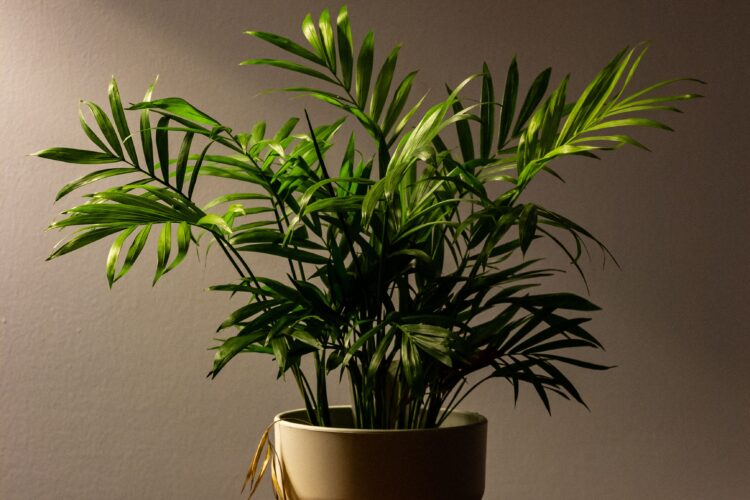
The areca palm scientific name is Dypsis lutescens. It belongs to the Arecaceae family and is native to Madagascar, where it grows in warm, humid, tropical conditions along riverbanks and in forest understories. In its natural habitat, a mature areca palm tree can reach heights of 20–30 feet, but as an indoor plant it typically tops out between 6 and 7 feet. Areca palms grow in dense clumps of multiple slender, ringed canes topped with graceful, feathery fronds — which is why they're often used to create a lush, jungle-like privacy screen both indoors and outdoors.
Areca Palm Indoor Care: The Basics
Areca palm indoor care revolves around getting four things right: light, water, humidity, and soil. Get these consistent, and your palm will reward you with steady, healthy growth for years.
Light Requirements
One of the most common questions people ask is: do areca palms prefer full sun or shade? The answer is neither extreme. Areca palms thrive in bright, indirect light. Direct, intense afternoon sun — especially through unfiltered windows — can scorch the fronds and cause browning, while deep shade will slow growth and produce sparse, pale foliage.
- Indoors: Place near an east- or west-facing window with filtered light, or a few feet back from a south-facing window
- Outdoors: Areca palms do best in partial shade or dappled sunlight, particularly in hot climates; in milder, coastal regions they can tolerate more sun exposure
Watering
Areca palms like consistently moist (but never soggy) soil. Water thoroughly when the top 1–2 inches of soil feel dry to the touch, and always allow excess water to drain freely — standing water around the roots is one of the fastest ways to trigger root rot.
- Water more frequently in spring and summer during active growth
- Reduce watering slightly in fall and winter
- Use room-temperature water; areca palms can be sensitive to fluoride and chlorine, which contribute to leaf tip browning over time
Humidity and Temperature
As a tropical species, the areca palm appreciates humidity levels above 40%. In dry indoor environments (especially during winter heating season), mist the fronds regularly, use a pebble tray, or run a humidifier nearby. Ideal temperatures range between 65–80°F (18–27°C); avoid placing your palm near cold drafts, air conditioning vents, or heaters.
Areca Palm Soil Requirements
Getting the areca palm soil mix right is essential for healthy root development. Areca palms need a soil that is:
- Well-draining — a mix of standard potting soil, perlite, and peat moss or coco coir works well
- Slightly acidic to neutral — a pH between 6.0 and 6.5 is ideal
- Rich in organic matter — for steady nutrient supply
A cactus or palm-specific potting mix is a convenient option if you'd rather not blend your own. Always use a pot with drainage holes to prevent waterlogging.
Growing Areca Palm Outdoors
While most people know the areca palm as a houseplant, it also does beautifully outdoors in USDA hardiness zones 10–11, where temperatures rarely drop below 30°F (-1°C). Outdoors, areca palms are frequently planted in clusters to form a natural, tropical privacy hedge or screen along fences and property lines.
Outdoor care essentials:
- Plant in well-draining, slightly acidic soil enriched with compost
- Provide partial shade, especially in hotter climates
- Water regularly to keep soil consistently moist, particularly during dry spells
- Protect from frost — areca palms are not cold-hardy and can suffer permanent damage below freezing
How Fast Do Areca Palms Grow?
A frequent question from new plant owners is how fast do areca palms grow. Under good indoor conditions, areca palms are moderate growers, typically adding about 6–10 inches of new growth per year. Outdoors in ideal tropical conditions, growth can be somewhat faster. Full maturity (reaching their maximum indoor height of 6–7 feet) usually takes several years, so patience — along with consistent light, water, and feeding — is key.
To encourage healthy growth:
- Feed with a balanced, water-soluble palm fertilizer every 4–6 weeks during spring and summer
- Ensure adequate bright, indirect light
- Repot when roots become crowded (see below)
Areca Palm Repotting
Areca palms are relatively slow to outgrow their pots but do need repotting every 2–3 years, or when you notice roots circling the bottom of the pot or growing out of the drainage holes.
Tips for areca palm repotting:
- Choose a new pot only 1–2 inches larger in diameter than the current one — areca palms actually prefer being slightly root-bound
- Repot in spring, at the start of the growing season, to minimize transplant stress
- Use fresh, well-draining potting mix
- Water thoroughly after repotting and keep the plant out of direct sun for a week or two while it settles in
Areca Palm Brown Tips: Causes and Fixes
Areca palm brown tips are one of the most common issues plant owners encounter, and they're almost always a sign of an environmental imbalance rather than disease. Common causes include:
| Cause | Solution |
|---|
| Low humidity | Mist fronds, use a humidifier, or group with other plants |
| Inconsistent watering (too much or too little) | Water only when the top inch of soil is dry; ensure good drainage |
| Fluoride/chlorine in tap water | Switch to filtered or distilled water |
| Excess fertilizer (salt buildup) | Flush soil with water monthly; reduce feeding frequency |
| Direct, harsh sunlight | Move to bright, indirect light |
You can trim brown tips with clean, sharp scissors, cutting along the natural shape of the leaf rather than straight across, for a healthier appearance while the underlying cause is corrected.
Is Areca Palm Toxic to Cats?
This is one of the most-searched questions about this plant, and the answer is reassuring: areca palm is not toxic to cats. According to the ASPCA, Dypsis lutescens is classified as non-toxic to cats, dogs, and horses, making it one of the safest popular houseplants for pet owners. So if you've been wondering whether areca palms are poisonous to cats, you can rest easy — it's considered pet-safe.
That said, ingesting large quantities of any plant material can sometimes cause mild stomach upset in pets simply due to the physical fibrous matter, so it's still wise to discourage chewing on the fronds.
Benefits of Areca Palm
Beyond its good looks, the areca palm offers several practical benefits that make it a favorite among plant lovers:
- Air purification — areca palms were featured in NASA's Clean Air Study and are known for filtering common indoor air pollutants such as formaldehyde, xylene, and toluene
- Natural humidifier — through transpiration, areca palms release moisture into the air, which can help combat dry indoor air, especially in winter
- Pet-friendly — as noted above, it's non-toxic to cats and dogs, making it a worry-free choice for pet households
- Low-maintenance elegance — it requires relatively little care for the amount of visual impact it delivers, making it ideal for beginners
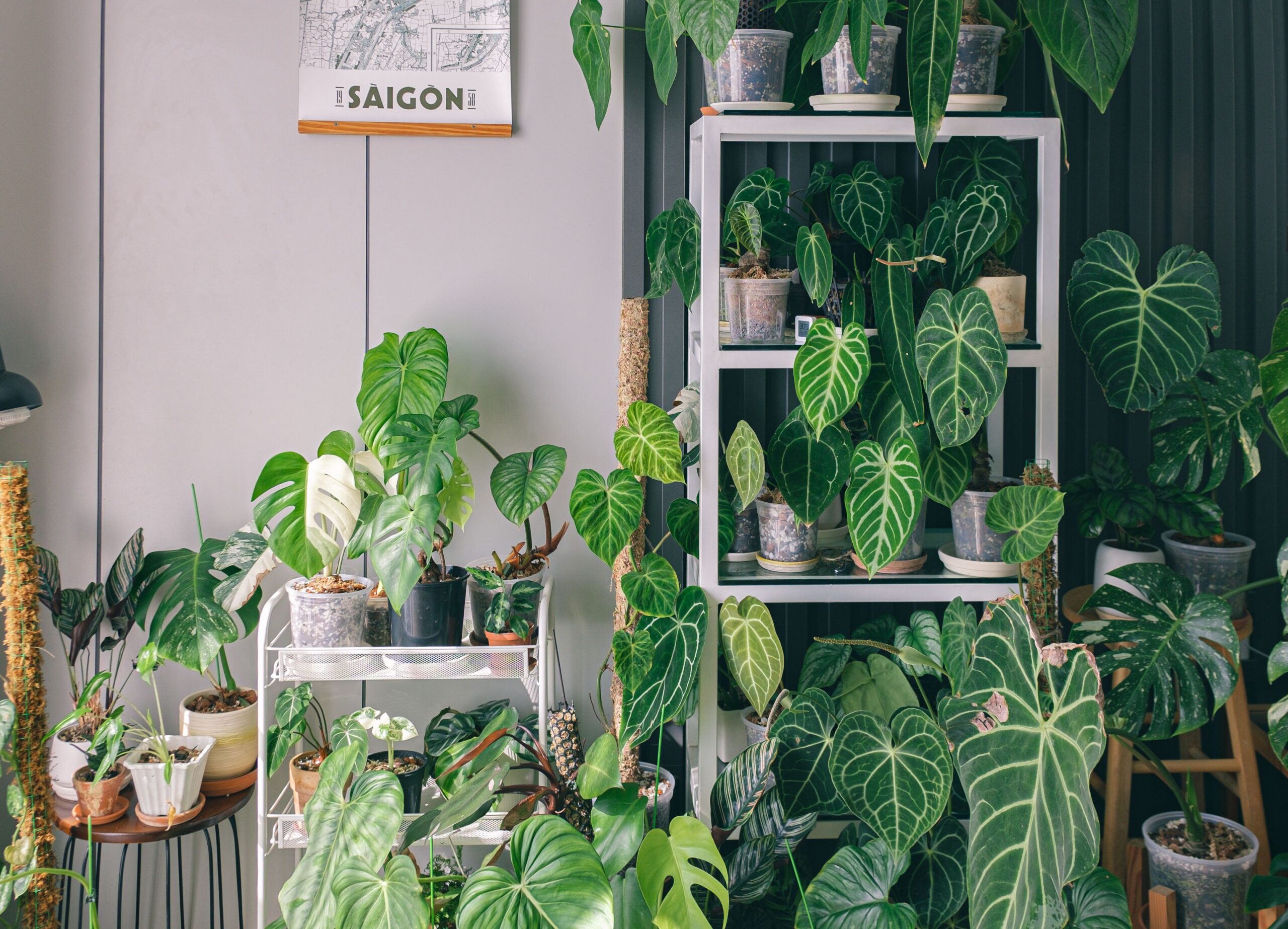
- Versatile decor — works equally well as a statement floor plant, a privacy screen, or part of a lush indoor jungle arrangement
- Stress reduction — like many houseplants, having greenery indoors is associated with improved mood and reduced stress levels
Quick FAQ
Is Areca Palm a good indoor plant?
Yes. The areca palm is considered an excellent indoor plant because of its air-purifying qualities, pet-safe status, tolerance of typical indoor light conditions, and relatively low maintenance needs once its watering and humidity preferences are met.
What are the disadvantages of Areca palms?
The main disadvantages of areca palms include their sensitivity to tap water minerals (which causes brown leaf tips), a preference for consistent humidity that can be hard to maintain in dry climates, moderate rather than fast growth, and vulnerability to spider mites in low-humidity environments. They can also become quite large over time, requiring adequate floor space.
Do Areca palms prefer full sun or shade?
Areca palms prefer bright, indirect light rather than full sun or deep shade. Direct sun can scorch the fronds, while too little light leads to slow, leggy growth. Filtered or dappled light — indoors near a bright window, or outdoors under partial shade — is ideal.
How fast do areca palms grow?
Areca palms are moderate growers, typically gaining 6–10 inches of height per year under good indoor conditions, reaching their mature indoor height of around 6–7 feet over several years.
Is areca palm toxic to cats?
No. The areca palm is classified as non-toxic to cats (and dogs) by the ASPCA, making it a safe choice for pet-owning households.
Final Thoughts
Whether you're drawn to the areca palm for its air-purifying benefits, its pet-friendly nature, or simply its lush, tropical appearance, this plant is a rewarding addition to any home or garden. With the right balance of bright indirect light, consistent (but not excessive) watering, well-draining soil, and occasional feeding, your areca palm will thrive for years to come.
For more plant guides, explore plants that bring happiness and what a happy plant actually means. You can also learn more about us or get in touch with questions, or visit our homepage for more plant care guides.

0 Comments