Happy Cactus Plant: How to Keep Your Indoor Cactus Thriving
A happy cactus plant is a plump, evenly colored, actively growing cactus — not a stressed, shriveled, or discolored one. This guide covers how to tell if your cactus is happy, the best soil and care routine for a happy indoor cactus plant, safety notes on spines and toxicity, and the folklore behind cacti as "good luck" plants. For more plant care guides, see our homepage.
How to Know If Your Cactus Is Happy
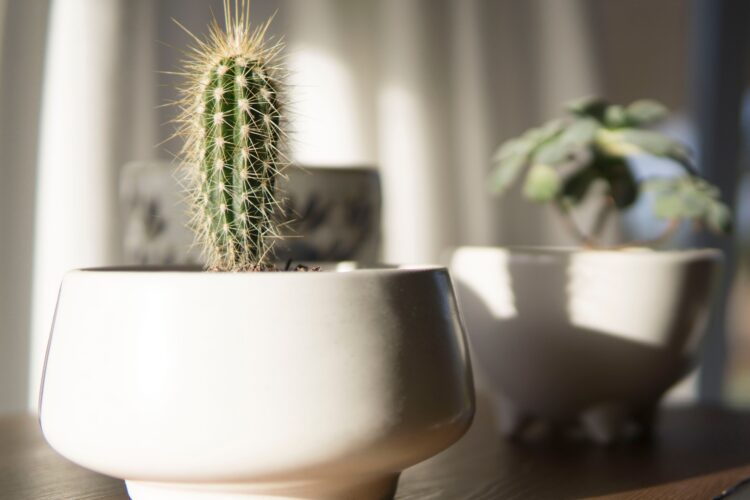
Cacti don't show stress the way leafy houseplants do, so it helps to know the signs. A happy cactus plant typically has:
- Firm, plump flesh — not wrinkled, shriveled, or soft to the touch
- Even, healthy coloring — not yellowing, browning, or developing dark mushy patches
- Upright, stable growth — not leaning dramatically toward a light source
- New growth at the top — a sign it's actively growing during its season
- Spines that look intact — sparse or falling spines can be a sign of stress or poor light
A wrinkled or shriveled cactus is usually thirsty, while a soft, discolored, or mushy one is more often a sign of overwatering or root rot — one of the most common ways a cactus stops being happy.
Happy Indoor Cactus Plant Care
Light: Most cacti need bright, direct light for at least a few hours a day. A south- or west-facing window is ideal indoors; too little light causes thin, stretched, "leggy" growth.
Water: Water deeply, then let the soil dry out completely before watering again. Overwatering is the single most common reason an indoor cactus stops thriving.
Happy cactus soil: Use a fast-draining cactus or succulent mix, ideally amended with perlite, pumice, or coarse sand. Regular potting soil holds too much moisture and can lead to root rot.
Pot: Choose a container with drainage holes — terracotta is a popular choice because it wicks away excess moisture.
Temperature: Most common houseplant cacti prefer average room temperatures and do best away from cold drafts and heating vents.
Feeding: A light, diluted cactus fertilizer during spring and summer growth months is enough; cacti don't need heavy feeding.
Is a Cactus Plant Poisonous?
Most common houseplant cacti — like the popular barrel, bunny ears, and Christmas cactus — aren't considered toxic to humans in the way some other houseplants are. The bigger everyday hazard is physical: spines and glochids (the tiny hair-like prickles on some species) can cause painful skin irritation and are hard to remove. Some cacti can cause mild stomach upset if chewed or eaten, especially by curious pets, so it's still worth keeping them out of reach of children and animals and handling them with thick gloves when repotting.
Is Cactus a Good Luck Plant?
In feng shui and various folk traditions, cacti have a mixed reputation. Some traditions consider them protective, believing the spines can "deflect" negative energy when placed near a window or entryway, which is where the idea of a cactus as a good luck or protective plant comes from. Others avoid keeping cacti indoors, particularly in bedrooms, believing the sharp spines create tense or restless energy. These are cultural beliefs rather than scientific claims, so it largely comes down to personal preference and where you'd enjoy seeing one in your space.
Benefits of a Cactus Plant in the Office
Cacti are a popular office plant choice for practical reasons as much as any folklore:
- They tolerate inconsistent watering better than most houseplants — useful if no one waters over a weekend
- They thrive on a sunny windowsill or desk with bright light
- Like many plants, having greenery nearby is generally associated with a calmer, more pleasant workspace
- Their compact size fits easily on a desk without needing much care
Life Cycle of a Cactus Plant
Cacti are slow-growing succulents that generally move through four stages: germination (often slow and unpredictable from seed), a juvenile growth stage where the plant builds up its body and root system, a mature stage where many species begin flowering seasonally, and a long adult stage where a healthy, happy cactus can continue growing — sometimes for decades — with minimal care.
Quick FAQ
How do I make my cactus happy?
Give it bright, direct light, fast-draining cactus soil, and water only once the soil is fully dry — overwatering is the most common way a cactus becomes unhappy.
What does a wrinkled cactus mean?
Wrinkling usually means the cactus is dehydrated and needs a deep watering, while soft or mushy spots usually point to overwatering instead.
Is cactus a good luck plant?
Some feng shui traditions consider cacti protective plants that deflect negative energy, though this is a cultural belief rather than a proven effect.
Are cactus plants poisonous to pets?
Most common houseplant cacti aren't highly toxic, but their spines can cause injury and eating parts of the plant may cause mild stomach upset, so it's best to keep them out of reach of curious pets.
Final Thoughts
A happy cactus plant doesn't ask for much — bright light, fast-draining soil, and water only when it's truly needed. Pay attention to its texture and color as your best clues to how it's doing, and it can reward you with years of low-maintenance greenery, whether you keep it on a sunny windowsill at home or a bright spot on your office desk.
For more plant guides, explore plants that bring happiness and what a happy plant actually means. You can also learn more about us or get in touch with questions, or visit our homepage for more plant care guides.



0 Comments