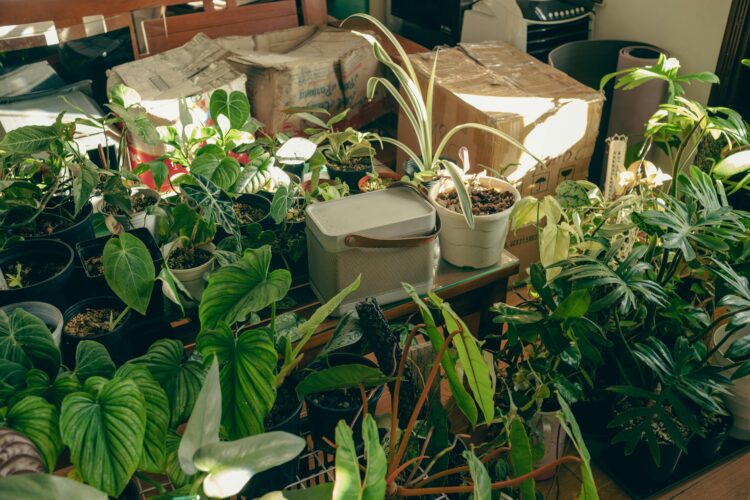
Happy Plant
Ammara Azhar
1:19 pm - June 9, 2026
We Are Happy Plants: The Complete Guide to Plants, Joy & Wellbeing
Because you can’t buy happiness — but you can buy plants.
📋 Table of Contents
- What Is a Happy Plant?
- What Does a Happy Plant Look Like?
- Why Do Plants Make People Happy?
- What Plant Brings Happiness, Wealth & Longevity?
- What Plant Represents Happiness?
- Best Indoor Plants for Happiness
- Why Is My Happy Bean Plant Dropping Leaves?
- Will a Happy Light Help Plants Grow?
- Women’s Happiness Plant
- Tree of Happiness Plants
- Plant Happiness Quotes
- FAQs
There is a quiet truth that gardeners have known for centuries: we plants are happy plants. Whether you nurture a single pothos on a windowsill or cultivate an entire indoor jungle, the relationship between humans and plants is one of the most powerful and scientifically proven sources of joy available to us. This guide dives deep into everything you need to know — from what a happy plant actually is, to why plants make you happy, to the best indoor plants for happiness and how a happy light might just save your leafy friends through the winter.
🌿 What Is a Happy Plant?
When people ask “what is a happy plant?”, they’re often referring to two very different things. The first is the botanical species Dracaena fragrans — a lush, tropical plant commonly sold as the “Happy Plant” in nurseries and garden centres worldwide. It features long, arching glossy green leaves (sometimes with yellow or white striping) and is beloved for its low-maintenance charm and air-purifying qualities.
The second, broader meaning is any plant that is genuinely thriving — one given the right light, water, and love. At We Happy Plants, we believe both definitions matter. A happy plant is a healthy plant, and a healthy plant is one that makes its owner happier too.
🌱 We plants are happy plants — this is more than a slogan. Research confirms that caring for plants activates the same neural reward pathways as other nurturing behaviours. When your plant thrives, so do you.
🔍 What Does a Happy Plant Look Like?
Knowing what a happy plant looks like is key to keeping yours in peak condition. Whether you have a Dracaena fragrans or any other species, a truly happy, healthy plant shares these visible signs:
Vibrant, Firm Leaves
Leaves are perky, glossy, and hold their shape. No yellowing, browning at the tips, or limpness.
Active New Growth
You can spot fresh shoots or unfurling leaves, especially in spring and summer months.
Strong Upright Stems
Stems stand tall without flopping. Leggy, spindly growth is a sign of insufficient light.
Healthy Root System
Roots are white or light tan, firm, and fill (but don’t burst from) the pot.
Rich Colouration
Variegated leaves show crisp, distinct patterns. Deep, even green on solid varieties.
Moist-Not-Soggy Soil
The soil retains moisture evenly without waterlogging, indicating proper drainage and watering rhythm.
🧠 Why Do Plants Make People Happy?
Science has caught up with what plant lovers have always known. Why do plants make us happy? The answer runs deeper than aesthetics. Here are the evidence-backed reasons why plants make you happy:
1. Biophilia — We Are Wired for Nature
Edward O. Wilson’s biophilia hypothesis proposes that humans have an innate drive to connect with other living systems. Plants tap directly into this ancient bond, triggering feelings of calm, safety, and belonging. We plants are happy plants because we evolved alongside them.
2. Stress Reduction
Studies published in journals like Environment and Behavior show that simply being near plants reduces cortisol levels — the primary stress hormone. Even viewing plants through a window lowers blood pressure and heart rate, which is a big reason why plants make people happy.
3. Air Quality & Mood
Plants release oxygen and absorb carbon dioxide, improving indoor air quality. Better air = better focus, energy, and mood. NASA’s famous Clean Air Study identified specific plants that filter VOCs (volatile organic compounds) from indoor air — another key reason why is it that plants make you happy.
4. Nurturing Creates Purpose
The act of caring for something alive — watering, pruning, repotting — gives us a sense of purpose and agency. This is central to we plants are happy plants time: the mindful routine of plant care is a form of daily meditation that anchors us in the present.
5. The Microbiome Connection
Soil contains Mycobacterium vaccae, a naturally occurring bacterium shown to boost serotonin production in humans. Gardening — getting your hands in the dirt — may literally make your brain produce more happiness chemicals. That is why plants make us happy at a biochemical level.
💰 What Plant Brings Happiness, Wealth & Longevity?
Across cultures, certain plants are revered not just for beauty but for what they symbolise. If you’re searching for the plant that brings happiness, wealth and longevity, these are the most celebrated choices:
🍀 Lucky Bamboo (Dracaena sanderiana)
Perhaps the most universally recognised symbol of good fortune in Feng Shui. Different stalk arrangements carry specific meanings: 3 stalks for happiness, 5 for wealth, 6 for good luck, and 9 for great fortune. It is the definitive plant that brings happiness wealth and longevity.
🌸 Money Tree (Pachira aquatica)
A favourite in Southeast Asian homes and offices, the Money Tree is said to attract financial abundance and positive energy. Its braided trunk and five-lobed leaves are thought to represent the five elements of Feng Shui.
🌿 Jade Plant (Crassula ovata)
Called the “friendship plant” or “money plant,” jade is gifted at housewarmings and business openings to invite prosperity. It’s also remarkably long-lived — some specimens live over 100 years, making it a true emblem of longevity.
🌺 Peace Lily (Spathiphyllum)
Representing peace, love, happiness plants philosophy beautifully, the peace lily purifies air, thrives in low light, and blooms with elegant white flowers symbolising purity and hope.
🌻 What Plant Represents Happiness?
Different cultures and traditions assign happiness symbolism to different plants. Here are the most meaningful:
- Sunflower — universally associated with joy, optimism, and the pursuit of light. Its very habit of tracking the sun is a metaphor for choosing happiness.
- Yellow Orchid — in floral symbolism, yellow orchids represent new beginnings, friendship, and cheerfulness.
- Lavender — though calming, lavender’s purple blooms have long symbolised grace, happiness, and devotion.
- Daffodil — the first bloom of spring, daffodils represent new life, hope, and the return of happiness after hardship.
- Happy Plant / Dracaena fragrans — literally named for the feeling it inspires, sold worldwide as a token of joy and positivity.
🏠 Best Indoor Plants for Happiness
If you want to surround yourself with life that lifts your spirits, here are the best indoor plants for happiness — chosen for their mood-boosting properties, ease of care, and positive symbolism:
Pothos (Devil’s Ivy)
Nearly unkillable, fast-growing, and scientifically proven to filter indoor air. Perfect for beginners and a true morale booster.
Snake Plant (Sansevieria)
Releases oxygen at night — improving sleep — and is almost impossible to over-neglect. A plant that gives without asking.
Peace Lily
Gorgeous white blooms, excellent air purifier, and thrives in low light. Embodies peace love happiness plants perfectly.
Lavender
Its scent reduces anxiety and improves sleep. Growing it indoors means on-demand aromatherapy.
Lucky Bamboo
Grows in water or soil, symbolises fortune, and requires minimal care. A classic happiness and prosperity plant.
Happy Plant (Dracaena fragrans)
The original! Lush, tropical, and low maintenance. Earns its name every time someone walks past it.
For more on caring for these plants, check out resources like The Royal Horticultural Society or The Spruce’s houseplant guides.
❓ Why Is My Happy Bean Plant Dropping Leaves?
The Happy Bean Plant (Peperomia ferreyrae) is adored for its quirky, succulent-like bean-shaped leaves. But when those leaves start dropping, it’s a distress signal. Here are the most common causes and fixes:
Overwatering (Most Common)
Happy Bean is a semi-succulent and does not like soggy soil. Water only when the top 2 inches of soil are completely dry. Ensure your pot has drainage holes, and never let it sit in standing water.
Insufficient Light
This plant loves bright, indirect light. Low light causes weak, drooping stems and leaf drop. Move it closer to a window or supplement with a grow light or happy light.
Temperature Stress
Keep your Happy Bean away from cold drafts, air conditioning vents, and sudden temperature swings. It thrives between 65–80°F (18–27°C).
Root Bound or Root Rot
Check the roots. Circling, compacted roots need a slightly larger pot. Brown, mushy roots indicate rot — repot into fresh, well-draining soil immediately.
💡 Will a Happy Light Help Plants Grow?
A common question: “Will a happy light help plants grow?” and “Will a happy light work for plants?” The short answer is: it depends on the type of happy light.
Verilux HappyLight and similar SAD (Seasonal Affective Disorder) therapy lamps are designed to mimic sunlight for human wellbeing — they produce full-spectrum white light but are not optimised for photosynthesis. Standard happy lights lack sufficient intensity (measured in lumens/PAR) and the specific red/blue wavelength ratios plants need to truly thrive.
However, a happy light placed very close to small, low-light plants (like succulents, herbs, or pothos) can provide modest supplemental light benefits. For serious plant growth, purpose-built LED grow lights — which emit targeted red (630–660nm) and blue (430–450nm) wavelengths — are far more effective.
🔆 Quick Answer: A happy light may help low-light plants survive, but a dedicated grow light will make them thrive. Use a happy light for yourself, and invest in a proper grow light for your plants.
👩 Women’s Happiness Plant
The women’s happiness plant is a poetic concept that has emerged in gardening culture, particularly in Asian traditions. In Chinese folklore, certain plants are gifted to women as symbols of blessings — long life, fertility, joy, and grace. The plants most associated with women’s happiness include:
- Peony (Paeonia) — known as the “queen of flowers” in China, peonies symbolise female beauty, romance, and a life of happiness.
- Chrysanthemum — associated with longevity, cheerfulness, and the joy of a fulfilled life.
- Jasmine — gifted to women for its intoxicating fragrance and its symbolism of grace, love, and optimism.
- Orchid — in many cultures, orchids represent refined feminine beauty and the happiness found in elegant, enduring things.
In contemporary gardening communities, the women’s happiness plant has also come to mean simply: any plant that brings a woman joy. And that, truly, is the right answer.
🌳 Tree of Happiness Plants
The tree of happiness — Albizia julibrissin — is a stunning, fast-growing tree native to Asia, celebrated for its feathery pink flowers and fern-like leaves that fold at night as if sleeping. In Chinese culture it is called hé huān shù (合歡樹) — literally “tree of collective happiness” — and is planted near homes to invite harmony and joy.
Beyond Albizia, many cultures have their own “tree of happiness”:
- Cherry Blossom (Prunus serrulata) — in Japan, the fleeting beauty of sakura represents the happiness of living fully in the present moment.
- Lemon Tree — Mediterranean cultures plant lemon trees as symbols of abundance, health, and the happiness of a productive life.
- Olive Tree — ancient symbol of peace and prosperity; to gift someone an olive tree is to wish them a life of happiness and abundance.
🌸 Plant Happiness Quotes to Live By
This ancient saying captures something profound. She who plants a garden plants happiness is not just about gardens — it’s about investing in beauty, patience, and life. Every seed sown is an act of optimism.
Giono’s story of Elzéard Bouffier — the man who planted hope and grew happiness — remains one of the most beautiful allegories for how individual acts of care can transform landscapes and lives. Read the full story free at Project Gutenberg.
The beloved phrase “you can’t buy happiness but you can buy plants” has become something of a mantra for the modern indoor gardening movement. And scientifically, it checks out: studies consistently show that purchasing and tending plants provides long-lasting wellbeing benefits that outlast most other consumer purchases.
Another favourite: “A happy holiday plant is the gift that keeps growing” — a reminder that gifting a living plant during the festive season offers something far more enduring than cut flowers or chocolates.
❓ Frequently Asked Questions
Why do plants make us happy?
What plants make you happy?
What is a happy plant exactly?
What plant brings happiness, wealth and longevity?
Will a happy light work for plants?
What does “she who plants a garden plants happiness” mean?
Why is my happy bean plant dropping leaves?
🌿 We Plants Are Happy Plants
Join thousands of plant lovers who have discovered that a greener home is a happier home. Start your plant journey today.
Explore Houseplants →Related reads: Why Plants Make Us Happy (The Spruce) | Plants & Mental Health Research (NIH) | Dracaena fragrans (Wikipedia)

Ammara Azhar
I'm Ammara Azhar, the founder of HappyPlant.info and a content writer passionate about creating clear, well-researched content on plant care, gardening, and lifestyle topics. I enjoy turning reliable information into practical, easy-to-follow guides that help readers care for their plants with confidence. My writing focuses on accuracy, simplicity, and providing genuine value. Through thoughtful research and engaging content, I aim to make gardening more accessible and enjoyable for beginners and experienced plant lovers alike.
0 Comments