Air Plants: Complete Care Guide, Watering, Types & Where to Buy
Air plants are unusual houseplants that can grow without traditional potting soil, making them popular for shelves, desks, bathrooms, terrariums, wall displays, and hanging arrangements. Most belong to the genus Tillandsia, a group of bromeliads known for growing on trees, rocks, and other surfaces in nature.
But growing without soil does not mean they need no care. Air plants still need the right balance of light, water, airflow, temperature, and nutrients to stay healthy. The good news is that once you understand their basic routine, caring for them is relatively simple.
This guide explains what air plants are, how to care for air plants indoors, how to water an air plant, how long to soak air plants, which Tillandsia varieties are popular, why leaves turn brown, how to revive a struggling plant, and what to look for when buying air plants.
Affiliate disclosure: This article contains affiliate links. If you purchase through one of them, HappyPlant may earn a small commission at no extra cost to you. Product availability, prices, discounts, sizes, and bundles can change, so check the retailer's listing for the latest information. We have not personally tested the featured product.
What Are Air Plants?
Air plants are mostly soil-free plants from the genus Tillandsia that absorb water and nutrients primarily through specialized structures on their leaves rather than relying on conventional soil roots. They are epiphytic plants, meaning many species naturally grow attached to trees or other surfaces rather than rooted in soil.
The name "air plant" can make them sound almost maintenance-free, but that is misleading. They still photosynthesize, need adequate light, require regular hydration, and benefit from good air circulation.
Their roots are mainly useful for anchoring the plant to a surface. This is why you can see air plants mounted on driftwood, displayed in shells, placed in glass globes, or suspended from decorative holders without putting their base into soil.
Are Air Plants Easy to Care For?
Yes. Air plants are generally easy to care for when they receive bright filtered light, regular watering, good airflow, and enough time to dry after watering. The biggest mistake beginners make is assuming that a plant that does not need soil does not need much water.
Unlike a typical potted plant, you cannot judge an air plant's water needs by checking soil moisture. Instead, pay attention to the plant's leaves, growing environment, temperature, humidity, and how quickly it dries after watering.
| Care factor | What air plants generally need |
|---|---|
| Light | Bright, filtered or indirect light; some varieties tolerate stronger light |
| Water | Regular soaking or thorough wetting, followed by complete drying |
| Airflow | Good circulation, especially after watering |
| Soil | Usually none |
| Humidity | Moderate humidity is helpful, but watering is still essential |
| Temperature | Warm indoor conditions without extreme heat or cold |
| Fertilizer | Optional, diluted air-plant or bromeliad fertilizer during active growth |
How to Care for Air Plants
If you are looking for a simple air plant care routine, focus on four things: light, water, airflow, and drying. Getting these four basics right will solve most common care problems.
1. Give Your Air Plant Enough Light
Air plants need light to photosynthesize and grow. A bright room with filtered sunlight is usually a good starting point for indoor Tillandsia.
An east- or west-facing window can work well when the plant is protected from harsh direct afternoon sunlight. A bright bathroom window can also be suitable, provided the room has enough natural light and the plant can dry properly after watering.
Very low light can lead to slow growth and weak plants. On the other hand, intense direct sunlight through hot glass can cause leaf stress or scorching, particularly for plants that are not adapted to strong sun.
2. Water Regularly
One of the most important parts of air plant care is hydration. Air plants absorb water through specialized leaf structures, so simply misting them occasionally may not provide enough moisture in many indoor environments.
A thorough soaking or wetting is generally more useful. After watering, the plant should be positioned so excess water can drain away and the base can dry.
3. Provide Good Air Circulation
Good airflow is especially important after watering. An air plant that remains wet around its base for too long can develop rot.
This is why an attractive glass container should not completely surround a wet plant without ventilation. Air plant terrariums and glass globes are best used as displays that allow the plant to dry properly.
4. Let the Plant Dry Completely
After watering, gently shake off excess water and place the plant somewhere with good air movement. Avoid leaving water trapped between the leaves or sitting around the base.
The goal is not to keep an air plant permanently wet. It is to provide enough water and then allow the plant to dry before its next watering.
How to Water an Air Plant
To water an air plant, place it in room-temperature water and soak it thoroughly, then remove it, shake off excess water, and position it upside down or at an angle in a well-ventilated area until completely dry. The exact frequency depends on temperature, humidity, light, airflow, and the particular Tillandsia variety.
This is one of the most important routines for anyone learning how to take care of an air plant.
How to Soak an Air Plant
- Fill a clean bowl or container with room-temperature water.
- Place the air plant in the water so the leaves become thoroughly wet.
- Allow it to soak for around 20–30 minutes as a practical starting routine.
- Remove the plant and gently shake off excess water.
- Place it upside down or on its side in a well-ventilated location.
- Allow the plant to dry completely before returning it to its display.
The soaking time does not have to be identical every time. A very dry plant may need more thorough hydration, while a plant growing in a humid environment may need less frequent watering.
How Long to Soak an Air Plant
For many indoor air plants, about 20–30 minutes is a useful starting point for soaking. The important part is not following a rigid timer but making sure the plant becomes thoroughly hydrated and then dries completely afterward.
If your air plant stays wet for many hours, improve airflow and reduce the amount or frequency of watering rather than simply extending the soaking time.
How Often Do You Water an Air Plant?
There is no single watering schedule that works for every home. Many indoor air plants can be watered approximately once a week, but warm, dry, bright conditions may require more frequent watering while cool, humid conditions may require less.
Check the plant instead of relying entirely on the calendar. If the leaves appear unusually dry, curled, or limp, the plant may need more hydration. If the base remains wet for a long time or begins to look soft or dark, too much moisture may be the problem.
How to Care for an Air Plant Indoors
To care for an air plant indoors, place it in bright filtered light, water it thoroughly about once a week as a starting point, allow excess water to drain, and make sure it dries completely in an area with good airflow. Adjust the routine according to your home's temperature, humidity, light, and the plant's response.
Air plants can work particularly well in small apartments and offices because they do not require a conventional pot or large amount of growing space.
Good Indoor Locations for Air Plants
- Bright windowsills: Keep them protected from excessively harsh afternoon sun.
- Office desks: Suitable when the desk receives enough natural or supplemental light.
- Bathrooms: Humidity can be helpful, but adequate light and airflow are still necessary.
- Open shelves: Great for decorative displays and easy maintenance.
- Hanging displays: Useful when you want to save surface space.
- Glass globes: Attractive for display, provided there is enough ventilation.
Do Air Plants Need Soil?
No. Most air plants do not need soil to grow. Tillandsia naturally includes many epiphytic species that attach themselves to trees and other surfaces instead of growing in traditional potting soil.
This does not mean you should bury an air plant in soil. Keeping the base constantly surrounded by wet material can encourage rot. Instead, display it on a stand, mount, shell, piece of wood, stone, or specially designed air plant holder.
Popular Types of Air Plants
There are many Tillandsia species and cultivars, with major differences in shape, size, leaf texture, color, watering tolerance, and growing conditions.
Tillandsia Streptophylla
Tillandsia streptophylla is known for its attractive, curling leaves and silvery appearance. It is a popular choice for decorative air plant arrangements because its sculptural shape looks striking even before flowering.
It is also the variety featured in the product recommendation below.
Tillandsia Ionantha
Tillandsia ionantha is one of the most familiar small air plants. It forms compact rosettes and can develop noticeable color changes around flowering.
Its small size makes it useful for air plant terrariums, small holders, wreaths, shelves, and miniature arrangements.
Caput Medusae
Often called a medusa air plant because of its twisting, tentacle-like leaves, Tillandsia caput-medusae has a distinctive appearance. It works particularly well as a single specimen in a simple display.
Tillandsia Xerographica
Tillandsia xerographica is a larger, dramatic species with broad, curling, silvery leaves. It is frequently used as a centerpiece in air plant arrangements and larger displays.
Because of its size and shape, it is a good candidate for a substantial air plant holder rather than a tiny glass globe.
Andreana Air Plant
Tillandsia andreana is a smaller species with narrow foliage and a compact form. It can be used in collections containing several different Tillandsia varieties.
Other Air Plant Varieties
Other commonly encountered varieties and species include bulbosa, brachycaulos, stricta, capitata, butzii, juncea, funckiana, pruinosa, tectorum, velutina, and streptophylla. Their care needs overlap, but their light, watering, and drying preferences can vary.
| Air plant | Typical appearance | Good for |
|---|---|---|
| Ionantha | Small, compact rosette | Small displays and terrariums |
| Streptophylla | Curled, silvery leaves | Decorative arrangements |
| Xerographica | Large, broad, curling leaves | Statement displays |
| Caput-medusae | Twisting, tentacle-like leaves | Unique individual displays |
| Bulbosa | Bulbous base and narrow leaves | Collectors and unusual displays |
| Juncea | Long, thin leaves | Tall arrangements |
Air Plant Flowers and Blooming
Healthy air plants can eventually produce flowers or colorful flowering structures, depending on the species. Some develop vibrant shades before or during blooming, which is one reason Tillandsia collections can be so visually interesting.
An air plant generally blooms only after reaching the appropriate stage of maturity. Do not try to force flowering by dramatically changing its watering or light conditions.
What Happens After an Air Plant Blooms?
After flowering, many air plants produce offsets called pups. These young plants develop around the base of the parent plant and can eventually become independent air plants.
This is one of the most rewarding parts of keeping Tillandsia because a single mature plant can gradually become the beginning of a small collection.
Air Plant Babies: What Are Pups?
Air plant pups are young offsets that grow from the mother plant. They should usually be allowed to reach a reasonable size before being separated.
When a pup is roughly one-third to one-half the size of the parent, many growers choose to separate it carefully. However, keeping pups attached can also create a fuller cluster, so there is no requirement to remove them immediately.
How to Revive an Air Plant
To revive an air plant, first determine whether it is dehydrated or rotting. A severely dry plant may sometimes recover after thorough hydration, while a plant with a soft, dark, rotting base may not be salvageable.
If the Air Plant Is Very Dry
- Inspect the entire plant carefully.
- Remove obviously dead or completely dried leaves only if they come away easily.
- Soak the plant thoroughly in room-temperature water.
- Shake off excess water.
- Place it upside down or sideways in strong airflow.
- Repeat the normal watering routine after it has dried.
Do not leave a severely dehydrated plant sitting in water continuously. Hydration followed by proper drying is a better approach.
If the Base Is Soft or Rotting
A soft, dark, collapsing base is more concerning than dry leaves. Rot can spread quickly when an air plant remains wet without sufficient airflow.
Remove excess moisture, improve airflow, and inspect the damaged tissue. If the central base is extensively soft or collapsing, recovery may not be possible.
Why Is My Air Plant Turning Brown?
Air plant leaves can turn brown because of dehydration, excessive direct sunlight, environmental stress, or problems with watering and drying. Brown tips alone do not automatically mean the plant is dying.
| Symptom | Possible cause | What to check |
|---|---|---|
| Dry brown tips | Dehydration or environmental stress | Watering frequency, humidity and light |
| Curled leaves | Possible dehydration | When the plant was last thoroughly watered |
| Bleached or scorched areas | Too much intense sunlight | Move away from harsh direct sun |
| Soft dark base | Possible rot | Excess moisture and poor airflow |
| Yellowing or declining foliage | Multiple possible stresses | Light, water, temperature and plant condition |
Do not diagnose a problem from leaf color alone. Look at the whole plant and its growing conditions before changing the care routine.
Common Air Plant Care Mistakes
- Only misting occasionally: In many indoor environments, light misting does not provide the same thorough hydration as soaking or wetting.
- Keeping the plant wet: Air plants need to dry after watering.
- Putting them in a dark room: No-soil does not mean no-light.
- Using harsh direct sunlight: Strong heat through glass can stress some varieties.
- Placing a wet plant inside a closed container: Poor airflow can increase the risk of rot.
- Using an inappropriate display adhesive: Avoid products that can damage plant tissue or prevent healthy growth.
- Ignoring environmental changes: An air plant may need different watering in a hot, dry room than in a cool, humid bathroom.
Air Plant Holders and Display Ideas
One of the best things about air plants is the variety of ways you can display them. Because they do not need a traditional pot, you can create arrangements that would be difficult with ordinary houseplants.
Hanging Air Plant
A hanging air plant can be suspended from a ceiling hook, macramé hanger, wire holder, or decorative air plant hanger. Make sure the plant remains accessible for watering and drying.
Air Plant Holder
A dedicated air plant holder keeps the plant elevated and allows air to move around the base. Wooden, ceramic, metal, and handmade holders can all work as long as they do not trap water around the plant.
Air Plant on Driftwood
Driftwood makes a natural-looking air plant mount. It works particularly well for creating a miniature display inspired by the plant's natural epiphytic growth habit.
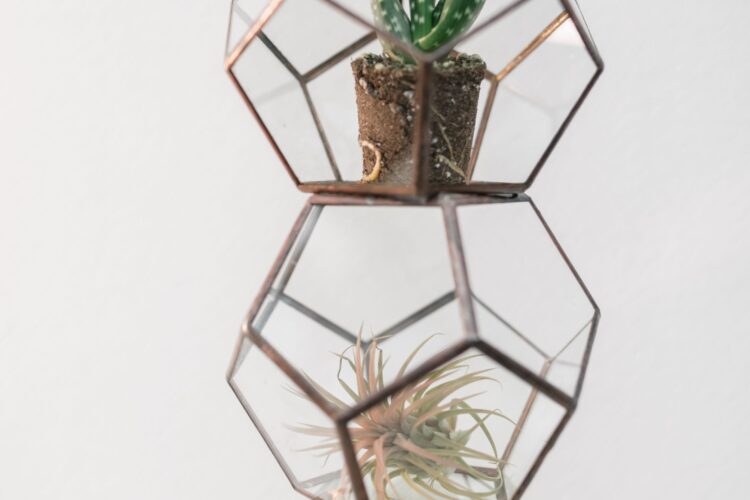
Air Plant in a Glass Globe
Glass globes are popular because they make small Tillandsia look like living sculptures. Choose a globe with an opening large enough to provide ventilation and remove the plant easily for watering.
Air Plant Terrarium
An air plant terrarium should generally be treated as an open display rather than a sealed humid ecosystem. Air plants need airflow, especially after watering, so avoid trapping a wet Tillandsia inside a completely closed container.
Looking for more plant display inspiration? Explore HappyPlant's plant guides for practical ideas on choosing, displaying, and caring for indoor plants.
Air Plant Product Recommendation: Tillandsia Streptophylla
If you want to start with several plants rather than buying one specimen, a variety pack can be a convenient option. The following listing is from Air Plant Shop and features Tillandsia streptophylla, a popular decorative species with curled, silvery foliage.
Air Plant Shop — Tillandsia Streptophylla Air Plants
Current offer: 30% Off — Tillandsia Streptophylla Air Plants
- Available sizes: Small, Medium
- Bundle options: 3 Pack, 6 Pack, 9 Pack
- Seller: Air Plant Shop
- Suitable for: Air plant collections, arrangements, shelves, holders, and decorative displays
This type of product can make sense if you want multiple air plants for different displays or want to create a small Tillandsia collection instead of purchasing individual plants.
Check the current price and available Air Plant Shop options
Before buying: Check the current size, bundle, shipping availability, plant condition, and discount shown on the retailer's page. Live-plant availability can change, and larger plants may have different care or display requirements than small specimens.
Are Air Plants Safe for Cats?
Air plants are generally considered a lower-risk decorative choice for homes with cats and dogs, but pets should not be encouraged to chew on houseplants. If your pet regularly eats plants, keep decorative plants out of reach and verify the specific species before bringing it into your home.
Because Tillandsia includes many different species and cultivars, identifying the exact plant is preferable to assuming that every plant sold as an "air plant" has identical properties.
Is Spanish Moss an Air Plant?
Yes. Spanish moss, Tillandsia usneoides, is a type of air plant. Despite its common name, Spanish moss is not a true moss. It is a Tillandsia bromeliad that naturally grows attached to trees and other structures.
Spanish moss is therefore related to other Tillandsia air plants, but it has a very different appearance from compact varieties such as ionantha or large sculptural species such as xerographica.
Air Plants vs. Succulents
Air plants and succulents are both popular low-soil or soil-light decorative plants, but they have very different growing strategies.
| Feature | Air plants | Succulents |
|---|---|---|
| Soil | Usually grown without soil | Usually grown in well-draining soil |
| Watering | Thorough wetting or soaking followed by drying | Water deeply, then allow soil to dry |
| Roots | Often primarily used for attachment | Absorb water and nutrients from growing medium |
| Display | Holders, wood, glass, hanging displays | Pots, planters and containers |
| Common mistake | Not watering enough or leaving wet | Overwatering |
Do Air Plants Purify the Air?
Air plants are sometimes marketed online as air-purifying plants, but it is better not to treat a small Tillandsia as a substitute for ventilation, filtration, or an air purifier.
Plants perform photosynthesis and exchange gases with their environment, but the real-world effect of a small number of houseplants on indoor air quality is limited compared with normal ventilation and dedicated air-cleaning equipment.
If your main goal is improving indoor air quality, choose plants based on their care requirements and appearance rather than assuming that an air plant will meaningfully clean a room's air.
How to Keep an Air Plant Alive Long-Term
If you want to know how to keep an air plant alive, avoid complicated routines. A consistent basic routine is usually more useful:
- Place the plant somewhere with bright, suitable light.
- Water it thoroughly on a schedule that matches your environment.
- Shake off excess water after soaking.
- Allow it to dry completely in good airflow.
- Protect it from extreme heat, cold drafts, and harsh sunlight.
- Inspect the leaves and base regularly.
- Adjust watering when seasonal conditions change.
The most important lesson is that air plants are not "plants that live on air." They are living plants with specific hydration and light requirements.
Frequently Asked Questions About Air Plants
What are air plants?
Air plants are mostly Tillandsia species that can grow without traditional potting soil. They are commonly epiphytic and attach to trees or other surfaces in nature. They absorb water and nutrients through specialized structures on their leaves.
How do you water an air plant?
Soak or thoroughly wet the air plant with room-temperature water, then shake off excess moisture and place it in a well-ventilated location until completely dry. Adjust frequency based on temperature, humidity, light, and how quickly the plant dries.
How long do you soak an air plant?
Around 20–30 minutes is a useful starting point for many indoor air plants. The exact time is less important than thoroughly wetting the plant and allowing it to dry completely afterward.
How often do you water air plants?
Many indoor air plants can be watered approximately once a week, but there is no universal schedule. Hot, dry conditions may require more frequent watering, while cool or humid conditions may require less. Always consider the plant's condition and drying time.
How do you care for an air plant indoors?
Give it bright filtered light, regular thorough watering, good airflow, and enough time to dry completely after watering. Keep it away from extreme temperatures and adjust the watering routine to your indoor environment.
Why is my air plant turning brown?
Brown leaves or tips can result from dehydration, intense sunlight, or environmental stress. However, a soft or dark base may indicate rot. Check the plant's watering routine, light, airflow, and drying conditions before changing its care.
Can you revive a dying air plant?
Sometimes. A dehydrated air plant may recover after thorough hydration and improved care. A plant with extensive rot, especially a soft or collapsing base, is much less likely to recover.
Is Spanish moss an air plant?
Yes. Spanish moss, or Tillandsia usneoides, is a Tillandsia bromeliad and therefore an air plant. It is not a true moss despite its common name.
Do air plants need sunlight?
Air plants need light to grow. Bright filtered or indirect light is a good starting point indoors. Some varieties tolerate stronger light, but harsh direct sun through a hot window can cause stress or scorching.
Are air plants toxic to cats?
Air plants are generally regarded as a lower-risk decorative option for homes with pets, but cats should not be allowed to chew on plants. For a specific Tillandsia variety, verify the exact species and keep plants away from pets that habitually eat foliage.
Final Thoughts
Air plants are among the most unusual indoor plants you can grow because they do not require traditional soil or a conventional pot. Their care is straightforward once you understand the basics: provide suitable light, water them thoroughly, give them good airflow, and let them dry completely after watering.
For beginners, small varieties such as ionantha can be fun additions to a collection, while streptophylla, xerographica, and other larger Tillandsia can create more dramatic displays. The key is to choose a variety that suits your available light, watering habits, and display space.
If you are ready to start a collection, consider the available sizes and bundles of the Tillandsia streptophylla Air Plant Shop selection, then choose an air plant holder or open display that allows the plant to receive light and dry properly after watering.
Ready to bring an air plant into your home? Check the current Tillandsia options, compare the available sizes and bundles, and choose a display that gives your plant plenty of light and airflow.

Ammara Azhar
I'm Ammara Azhar, the founder of HappyPlant.info and a content writer passionate about creating clear, well-researched content on plant care, gardening, and lifestyle topics. I enjoy turning reliable information into practical, easy-to-follow guides that help readers care for their plants with confidence. My writing focuses on accuracy, simplicity, and providing genuine value. Through thoughtful research and engaging content, I aim to make gardening more accessible and enjoyable for beginners and experienced plant lovers alike.
0 Comments