
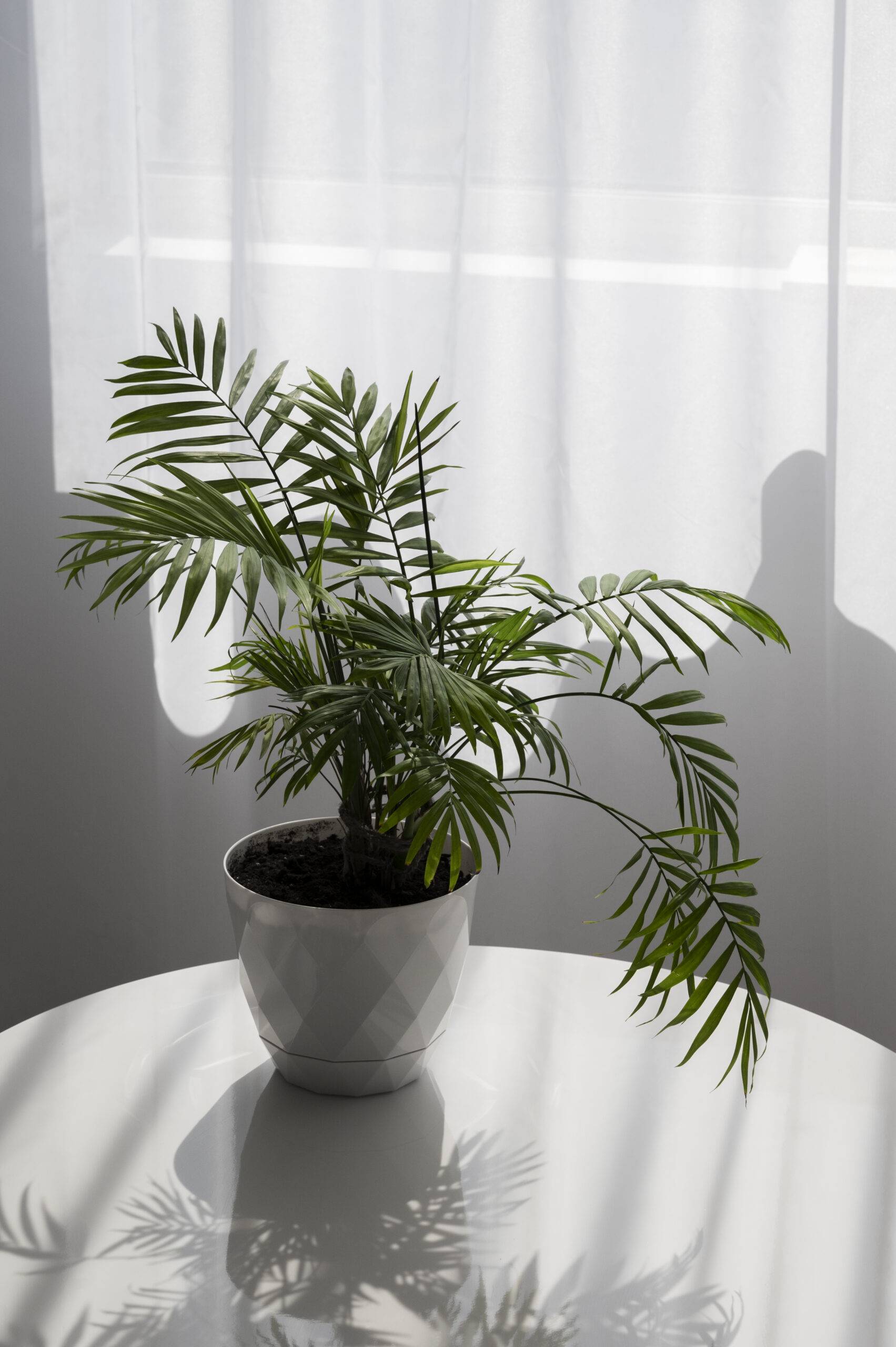
What is a Happy Plant Dracaena fragrans?
The happy plant, scientifically known as Dracaena fragrans, is a hardy tropical plant that has become a favourite in homes and offices. Native to Africa, it adapts exceptionally well to indoor environments, which explains its widespread popularity. Its long, arching leaves grow from thick cane-like stems, creating a structured and elegant appearance that suits both modern and traditional interiors. Many people first encounter this plant at garden centres such as Bunnings Warehouse or Flower Power, where it is commonly sold in a variety of sizes.
The name “happy plant” reflects its symbolic meaning. It is often associated with good luck, positive energy, and prosperity. Because it is so long-living and resilient, it represents stability and steady growth, making it a popular gift for new homes and offices.
What Is Happy Plant Life?
A happy plant is known for its impressive lifespan. When properly cared for, it can live anywhere from ten to twenty years indoors, and sometimes even longer. Over time, it develops sturdy woody canes and becomes taller and more architectural in form. Its longevity depends on balanced watering, suitable light exposure, and well-draining soil. While it tolerates minor neglect, consistent care significantly improves its overall health and appearance.
What Are the Benefits of Happy Plants?
Happy plants offer numerous benefits that make them ideal for indoor growing. They are extremely low-maintenance compared to many tropical plants, which makes them suitable for beginners. Their thick canes store water, allowing them to withstand occasional missed watering without immediate damage. In addition, they contribute to a calming indoor atmosphere by adding greenery and natural texture to a space. Many people also appreciate their air-purifying qualities, as they can help support cleaner indoor air conditions. Their upright growth habit makes them excellent feature plants in corners or beside furniture, where they add vertical interest without taking up excessive space.
Happy Plant (Dracaena fragrans) Light Requirements
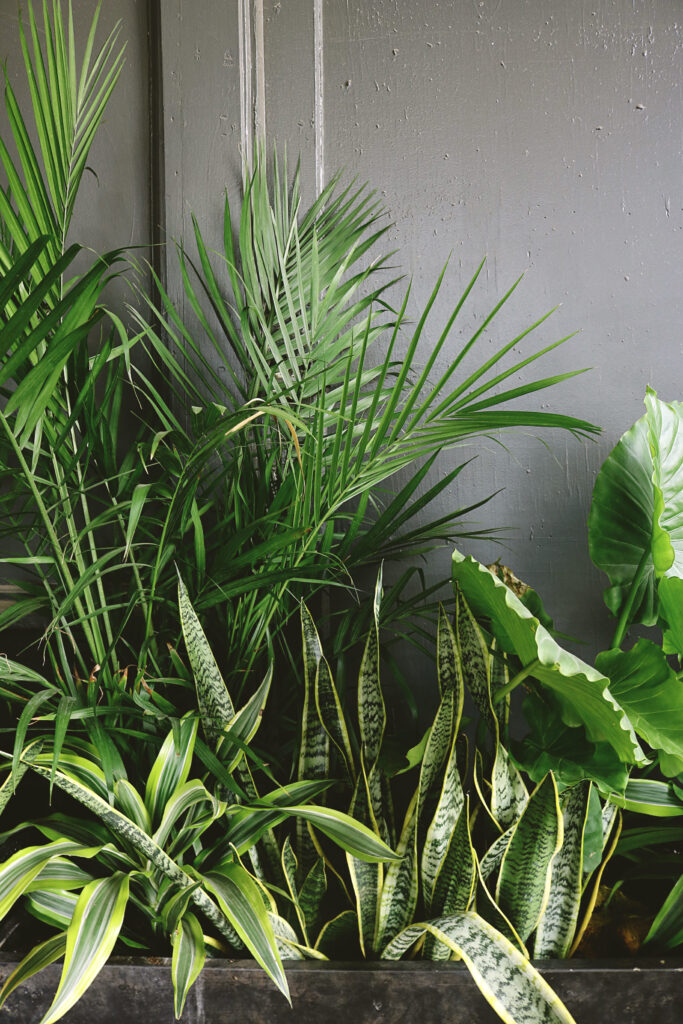
Understanding happy plant light requirements is essential for maintaining strong, healthy growth. These plants prefer bright, indirect light, which mimics the filtered sunlight of their natural habitat. A position near a window with sheer curtains or indirect exposure is ideal. While they can tolerate medium or lower light conditions, growth may slow, and leaves may become less vibrant. Direct, harsh sunlight should be avoided, as it can scorch the leaves and cause brown patches.
How Often to Water a Happy Plant (Dracaena fragrans)?
One of the most frequently asked questions is how often to water a happy plant. In general, watering every two to three weeks is sufficient for most indoor environments. However, this schedule can vary depending on room temperature, humidity, light levels, and pot size. During warmer months, when the plant is actively growing, it may require slightly more frequent watering. In cooler months, watering should be reduced.
To determine when to water, it is best to check the soil rather than follow a strict schedule. Insert your finger a few centimetres into the soil. If the top layer feels dry, it is time to water. If it still feels moist, wait a few more days before checking again.
How to Water a Happy Plant Properly
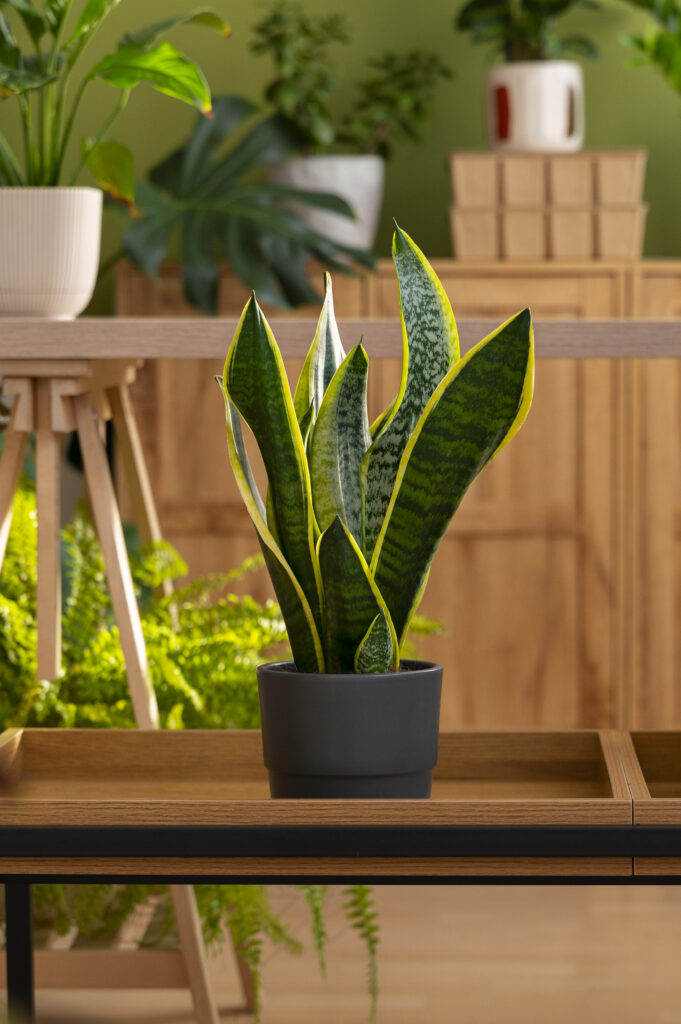
Knowing how to water a happy plant correctly is just as important as knowing how often to water it. Water thoroughly until excess moisture drains from the bottom of the pot. This ensures that all roots receive hydration. After watering, empty any water that collects in the saucer, as sitting in water can lead to root rot. The soil should be allowed to partially dry between waterings to prevent overwatering, which is the most common cause of plant decline.
Why Are Happy Plant Leaves Turning Yellow?
Yellow leaves are a common concern for happy plant owners. In most cases, yellowing is caused by overwatering. When roots sit in consistently wet soil, they can begin to rot, preventing the plant from absorbing nutrients properly. Poor drainage can contribute to this problem, especially if the pot does not have drainage holes. Insufficient light may also cause leaves to weaken and discolor over time. In some instances, yellowing of lower leaves is simply part of the plant’s natural aging process and not a cause for alarm.
How Often Does a Happy Plant Flower?
Many people wonder how often a happy plant flowers. Indoors, flowering is relatively rare. A mature plant may bloom once every few years under ideal conditions. When it does produce a happy plant flower, it forms clusters of small, fragrant white or cream blossoms that grow from a tall stalk emerging from the cane. The fragrance is often stronger in the evening. Outdoor plants in warm climates tend to flower more regularly than indoor specimens. While flowering is a special event, it is not essential for the plant’s health.
How to Find Happy Plant Soil
Selecting the right soil is crucial for long-term success. A happy plant requires well-draining potting mix that allows excess water to flow freely through the container. Standard indoor plant mix combined with perlite or coarse sand works well. Heavy garden soil should be avoided, as it retains too much moisture and restricts airflow around the roots. Proper drainage significantly reduces the risk of yellow leaves and root problems.
How to Prune a Happy Plant (Dracaena fragrans)
Pruning helps maintain the plant’s shape and encourages fuller growth. When learning how to prune a happy plant, it is important to use clean, sharp pruning tools. The cane should be cut at the desired height, just above a visible node or ring on the stem. These nodes are growth points where new shoots will develop. Pruning is best done during spring or early summer when the plant is actively growing. Within several weeks, new shoots typically appear below the cut, creating a bushier appearance.
How to Propagate a Happy Plant (Dracaena fragrans)
Propagation is a simple and rewarding process. To propagate a happy plant, take a healthy stem cutting and place it either in water or directly into moist soil. When using the water method, ensure that at least one node is submerged and change the water regularly to keep it clean. Roots usually form within two to four weeks. Once roots are well established, the cutting can be transferred to soil. If planting directly into soil, keep it lightly moist but not saturated while roots develop. Both methods are effective and suitable for beginners.
Happy Plant Flower and Availability
Although flowering is uncommon indoors, mature specimens may occasionally bloom, especially when slightly root-bound and receiving consistent care. Garden retailers such as Bunnings Warehouse and Flower Power often stock healthy young plants, though flowering cannot be guaranteed at the time of purchase. The focus when buying should always be on strong foliage, firm canes, and healthy soil conditions.

0 Comments