
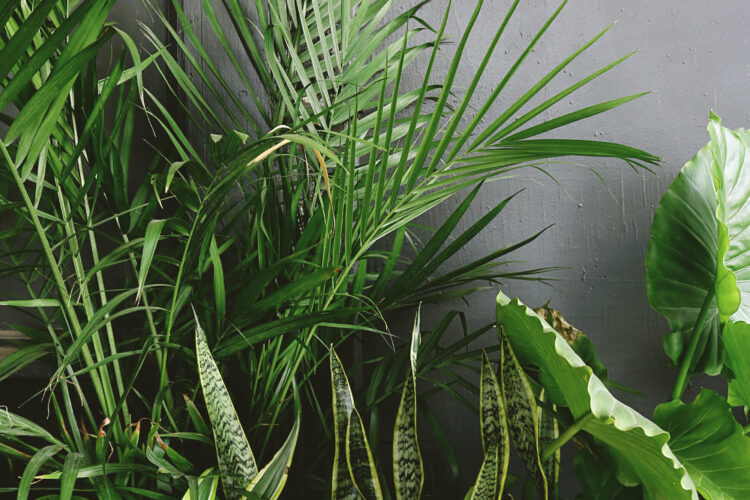
If you are looking to bring a touch of enduring greenery into your home, you have likely come across the “happy plant”. It is a wonderful, optimistic name for a houseplant, but you might be surprised to learn that this popular indoor companion goes by many other names. Officially known as Dracaena fragrans, it is also commonly called the corn plant. You might also hear it referred to as the cornstalk plant, mass cane, or even the fortune plant, a nod to its reputation in Feng Shui as a bringer of good luck and positive energy. This forgiving and statuesque plant has earned its place in homes from the UK to the USA and Australia, celebrated for its air-purifying qualities and its ability to bring a lush, tropical feel to any room.
A Family of Varieties
The most famous of these is likely the Massangeana, often simply called mass cane. It is the classic corn plant you see in homes and offices, distinguished by a broad, bright yellow or lime-green stripe running down the centre of its deep green leaves. For those who prefer a more uniform look, the Janet Craig variety is a fantastic choice, with its solid, dark green, and exceptionally glossy leaves that thrive even in lower light conditions.
How To Ensure Happy Plant Care
Its needs are simple, and once you understand them, your plant will reward you with years of steady, graceful growth.
Light: Finding the Sweet Spot
In their native tropical Africa, these plants grow under the canopy of larger trees, so they are accustomed to dappled sunlight. To make your happy plant truly thrive, aim to replicate this by placing it in bright, but indirect, light. A spot near an east or west-facing window is often ideal. The bright light will help the colourful varieties, like the Lemon Lime or Massangeana, maintain their vibrant variegation. While they are famously tolerant of low-light conditions and will not die if placed in a darker corner, you may notice the growth becoming slower and the leaves losing some of their vivid striping. The one thing to strictly avoid is direct sunlight, especially the harsh afternoon sun, which can easily scorch the leaves, leaving unsightly brown patches.
Watering and Soil: The Balance of Moisture
If there is one area where happy plant owners most often stumble, it is watering. These plants prefer a routine that allows the soil to dry out somewhat between waterings. Before you reach for the watering can, stick your finger into the soil. A good rule of thumb is to water only when the top two to three inches of soil feel completely dry to the touch. This might mean watering every one to two weeks, depending on the season and your home’s environment. Overwatering is the most common problem, leading to root rot, which manifests as yellowing leaves and mushy stems. Underwatering, on the other hand, will cause the leaf tips to turn brown and the foliage to droop.
There is another crucial detail about watering that many experts highlight: happy plants can be sensitive to chemicals found in tap water, particularly fluoride.
Creating the Perfect Atmosphere
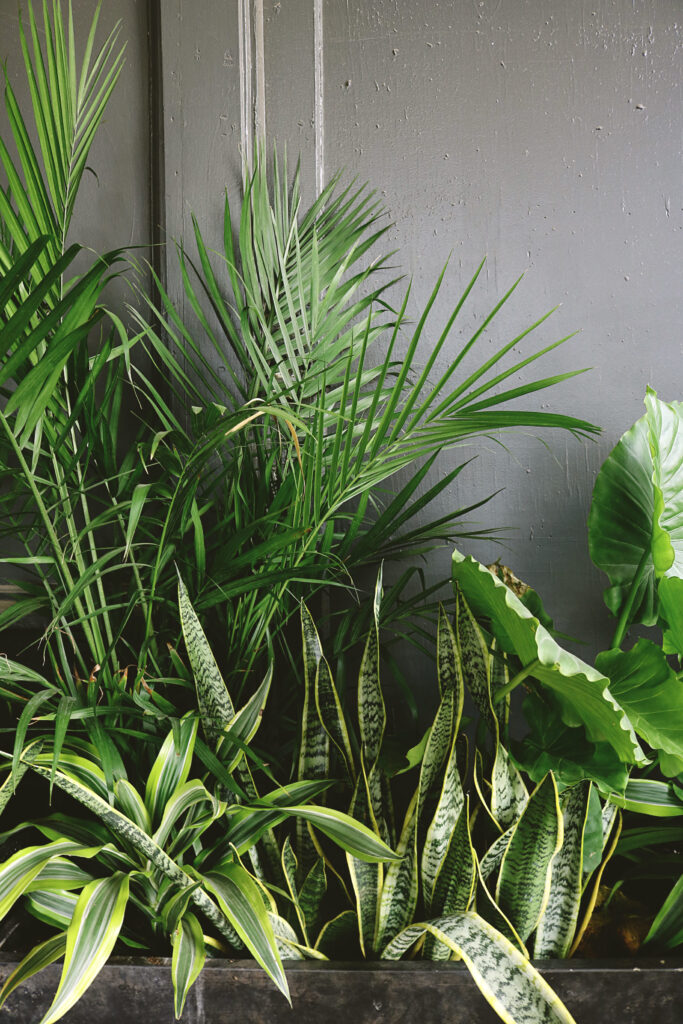
As tropical plants, happy plants enjoy a warm, stable environment. They are most comfortable in temperatures between eighteen and thirty degrees Celsius and should be protected from cold drafts, air conditioning vents, and the dry heat blowing from radiators. While they adapt well to average household humidity, they truly appreciate a bit of extra moisture in the air. If your home is dry, especially in winter, you can boost humidity by misting the leaves regularly, placing the pot on a tray filled with pebbles and water while ensuring the pot sits above the water line, or simply grouping it with other plants to create a more humid microclimate. During the spring and summer growing season, you can feed your happy plant once a month with a balanced liquid houseplant fertiliser to encourage lush growth, but it is best to hold off on feeding during the slower winter months.
Troubleshooting Common Problems
Even with the best care, you might occasionally encounter a few issues. The most frequent concern is browning leaf tips, which can be a sign of dry air, a buildup of fluoride from tap water, or inconsistent watering. If the lower leaves on the stem turn yellow and then brown, do not be alarmed. This is a natural part of the plant’s aging process, and they can simply be gently removed to keep the plant looking its best.
Pests are not common, but happy plants can sometimes fall victim to sap-sucking insects like spider mites, mealybugs, or scale, especially if the air is very dry. Regularly wiping the leaves with a damp cloth not only keeps them dust-free and able to photosynthesise better but also helps you spot any early signs of infestation, which can then be treated with insecticidal soap or neem oil. It is also very easy to create new plants from your happy plant through propagation. Simply take a stem cutting, let the cut end dry for a day, and then place it in water or moist soil. With a little patience, it will soon develop roots of its own.
More Than Just a Pretty Face
Beyond its aesthetic appeal, the happy plant is renowned for its air-purifying abilities. While you would need a large number of plants to make a dramatic difference, having one or two in your home certainly contributes to a healthier and fresher living space.
Are Happy Plants Toxic to Cats?
Yes, the plant contains compounds that can cause vomiting and lethargy. Pet owners should place the plant out of reach.
Are Happy Plants Toxic to Dogs?
Happy plants are also toxic to dogs. Ingestion may lead to gastrointestinal upset.

0 Comments