How to Plant Succulents: A Complete Guide to Planting, Propagating & Care
Succulents have become one of the most popular houseplants around, and it's easy to see why — they're forgiving, low-maintenance, and come in an endless variety of shapes, colors, and textures. This guide covers exactly how to plant succulents indoors, outdoors, in pots, in the ground, and from cuttings, along with the ongoing care that keeps them thriving for years. For more plant care guides, see our homepage.
What You Need Before You Start
Before planting, gather a few basics:
- A pot or container with at least one drainage hole — succulents are far more likely to die from overwatering and rot than from underwatering.
- Well-draining succulent soil, ideally mixed with perlite or coarse sand.
- Healthy succulents, leaf or stem cuttings, or an aloe vera pup, depending on how you're starting.
- A bright spot — most succulents need at least 6 hours of light per day.
Garden centers, nurseries, and home improvement stores such as Lowe's typically carry a wide range of succulent varieties along with pre-mixed succulent soil and perlite, making them a convenient one-stop option for beginners.
How to Plant Succulents in Pots
- Choose a container with drainage holes. Without proper drainage, water pools around the roots and causes rot.
- Fill with well-draining succulent soil (see the soil section below) rather than standard potting mix or garden soil.
- Remove the succulent from its nursery pot and gently loosen the roots if they're tightly bound.
- Dig a small hole in the soil, place the roots in, and backfill so the base of the plant sits just above the soil line.
- Add a top dressing of decorative gravel or pebbles if desired — this also helps keep moisture away from the plant's base.
- Wait a few days before watering if you disturbed the roots, to let any damaged areas callus over and reduce the risk of rot.
Do You Plant Succulents in Dirt or Rocks?
Succulents are planted in soil, not rocks. Rocks alone don't hold enough moisture or nutrients to support root growth. However, a layer of small rocks or coarse gravel is often mixed into the soil or added on top as decoration and drainage support — the plant's roots still need to be anchored in an actual soil mix underneath.
Succulent Soil: What Makes a Good Mix
Standard potting soil retains too much moisture for succulents and can quickly lead to root rot. A good succulent soil mix drains quickly while still holding enough moisture to support the roots. A simple, reliable recipe:
- 2 parts regular potting soil
- 1 part coarse sand
- 1 part perlite (the small, lightweight white granules that improve drainage and aeration)
Pre-made "cactus and succulent" soil blends, widely available at garden centers, are formulated to the same principle and are a convenient option if you'd rather not mix your own.
How to Plant Succulents Indoors
According to SDSU Extension, most succulents thrive in bright, indirect light and do best near a south- or west-facing window where they can get at least six to eight hours of light.
- Select a container with drainage, sized just slightly larger than the plant's root ball.
- Use a well-draining succulent soil mix (see above).
- Position the plant so it sits at the same depth it was growing at previously.
- Place in the brightest spot available indoors, rotating occasionally so growth stays even rather than leaning toward the light.
- Water only once the soil has dried out completely, then water thoroughly until it drains from the bottom of the pot.
How to Plant Succulents Outside
Growing succulents outdoors works well in warm, dry climates, or seasonally in cooler regions.
- Pick a spot with full sun to partial shade and soil that drains well — avoid low-lying areas where water collects.
- Amend heavy or clay soil with sand, gravel, or a succulent-specific soil blend to improve drainage.
- Plant at the same depth the succulent was growing in its container, spacing plants far enough apart to allow for mature growth.
- Water in well after planting, then hold off on regular watering until the soil dries out.
- In colder climates, check whether your succulent varieties are frost-hardy; tender types will need to be brought indoors or treated as seasonal plants.
Planting Succulents Outside in Pots
Container growing outdoors follows the same principles as indoor potting — drainage holes, well-draining soil, and a sunny spot — with a couple of outdoor-specific considerations: choose pots that won't crack in freezing temperatures if you're in a colder climate, and move containers to a sheltered spot or indoors ahead of hard frosts if your succulents aren't cold-hardy.
How to Plant Succulents in the Ground
Planting directly in garden beds works best with hardy succulent varieties suited to your climate. Loosen the soil, mix in sand or gravel for drainage, and plant at the same depth as the nursery container. Established in-ground succulents typically need very little supplemental watering beyond natural rainfall in most climates.
How to Plant Succulent Cuttings
Propagating succulents from cuttings is one of the most affordable ways to expand a collection. Per Montana State University Extension, propagation is straightforward:
- Take a cutting — either a leaf or a stem tip — using clean scissors or your fingers.
- Let the cutting callus over for a few days to a week in a dry, shaded spot. This dried-over wound helps prevent rot once planted.
- Place the callused cutting on top of or lightly nestled into well-draining soil, or slightly moistened sand.
- Water sparingly — a light mist every few days is enough until roots begin to form.
- Check for roots after a couple of weeks by gently tugging the cutting; resistance means roots have developed and the cutting can be treated like an established plant.
Spring, after the plant's dormant period, is generally the best time to take cuttings for propagation.
How to Grow Succulents from Cuttings
Once a cutting has rooted, care for it the same way you would an established succulent: bright indirect light, well-draining soil, and watering only once the soil is fully dry. New growth at the tip or base is a good sign the cutting has successfully taken root.
How to Plant Succulents Without Roots
You don't need existing roots to start a new succulent — leaves and stem cuttings without roots can still be propagated:
- Twist off a healthy leaf cleanly at the base, or cut a stem tip.
- Let it callus for several days until the cut end is dry to the touch.
- Lay the leaf on top of well-draining soil (don't bury it) or lightly press the stem cutting into soil.
- Mist lightly every few days rather than watering heavily.
- Small roots and a tiny new rosette will typically begin forming within a few weeks.
How to Grow Succulents from Leaves Without Soil
Leaves can also be rooted without soil, which makes it easy to watch the process:
- Let the leaf callus for a few days after removal, just as you would for soil propagation.
- Lay the callused leaf on a dry paper towel, in a shallow dish, or suspend it just above water without the leaf touching the water directly.
- Mist occasionally to provide light humidity.
- Once roots and a small new rosette form, transfer the leaf to well-draining soil to continue growing.
How to Plant Succulents in a Bowl or Glass Bowl
Bowl arrangements are a popular way to display multiple succulents together, though they require a bit more care since bowls often lack drainage holes.
- Add a drainage layer at the bottom — a inch or two of gravel or small stones helps excess water collect away from the roots.
- Layer in well-draining succulent soil on top of the drainage layer.
- Arrange your succulents, placing taller varieties toward the back or center and trailing types near the edges.
- Water sparingly — since there's no drainage hole, it's easy to overwater a bowl arrangement, so water lightly and only once the soil is fully dry.
- Provide bright light, rotating the bowl periodically so all plants get even exposure.
Glass bowls follow the same approach, though because glass makes it easy to see excess moisture pooling at the bottom, they can actually help beginners monitor watering more accurately.
How to Plant Succulents Together
When combining multiple succulents in one container, group varieties with similar light, water, and soil needs so none of them are over- or under-watered relative to the others. Leave enough space between plants for mature growth, and avoid overcrowding, which can trap moisture and encourage rot.
How to Take Care of Succulent Plants
Once planted, ongoing succulent care comes down to a few consistent habits, as outlined by University of Minnesota Extension:
- Light: Most succulents want bright, direct or indirect light — a south- or west-facing window indoors, or full sun to partial shade outdoors.
- Water: Water thoroughly, then allow the soil to dry out completely before watering again — typically once a week or less. Overwatering is the most common cause of succulent decline.
- Soil: Always use a fast-draining succulent or cactus mix, never standard potting soil on its own.
- Fertilizer: Feed sparingly, once or twice a month during spring and summer growth, and skip fertilizing in winter.
- Pests: Succulents are generally pest-resistant, but watch for mealybugs, scale, and spider mites, which can be treated with a cotton swab dipped in rubbing alcohol.
Common Mistakes Beginners Make When Caring for Succulents
- Overwatering — by far the most common issue; succulents store water in their leaves and stems and need far less watering than typical houseplants.
- Using regular potting soil instead of a fast-draining mix, which keeps roots wet for too long.
- Not enough light — insufficient light causes succulents to stretch out and become "leggy" as they reach for a light source.
- Planting in pots without drainage holes and treating them the same as well-draining containers.
- Watering on a fixed schedule rather than checking whether the soil has actually dried out first.
How to Plant Aloe Vera
Aloe vera is one of the most popular succulents thanks to its low-maintenance nature and the soothing gel inside its leaves. Planting it follows the same core principles as other succulents:
- Choose a pot with drainage holes and fill it with well-draining succulent soil.
- If planting a pup (offset) removed from a mature plant, let the cut end callus for a day or two before planting.
- Plant at the same depth it was growing previously, firming soil gently around the base.
- Place in bright, indirect light — direct hot sun for extended periods can scorch the leaves of a young plant.
- Water thoroughly, then allow the soil to dry out fully before watering again.
WVU Extension notes that aloe vera's leaf gel has traditionally been used to soothe minor cuts and burns, which is part of why it remains a favorite for windowsills and kitchens alike.
Types of Succulent Plants
Succulents span dozens of plant families, but a few popular categories cover most of what you'll find at a nursery:
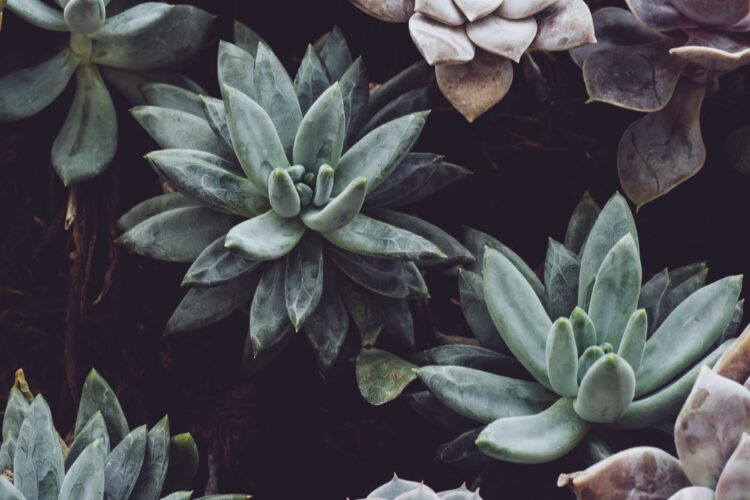
- Echeveria — rosette-shaped succulents in blue-green, pink, or purple tones, popular in bowl arrangements.
- Sedum (stonecrop) — trailing or clumping varieties often used as groundcover or in hanging baskets.
- Jade plant (Crassula) — a classic, tree-like succulent known for its thick, glossy leaves.
- Aloe — upright, spiky-leaved succulents valued for both appearance and the soothing gel inside their leaves.
- Haworthia — small, compact succulents with striped or textured leaves, well suited to low light.
- Sempervivum (hens-and-chicks) — cold-hardy rosette succulents that spread readily, ideal for outdoor rock gardens.
- String of Pearls (Senecio rowleyanus) — a trailing succulent with round, bead-like leaves, popular in hanging pots.
Quick Reference: Succulent Planting at a Glance
| Method | Container Needs | Watering |
|---|
| Indoors, potted | Drainage hole required | Only when soil is fully dry |
| Outdoors, in the ground | Well-draining amended soil | Minimal once established |
| Outdoors, in pots | Drainage hole, frost-safe material | Only when soil is fully dry |
| Bowl / glass bowl | Drainage layer of gravel | Sparingly, watch for pooling |
| Cuttings/leaves (propagation) | Shallow tray or small pot | Light misting until rooted |
Quick FAQ
How do you plant succulents for beginners?
Start with a well-draining pot and a proper succulent soil mix, place the plant at the same depth it was growing previously, position it in bright light, and water only once the soil has completely dried out.
What are some common mistakes beginners make when caring for succulents?
Overwatering, using regular potting soil instead of a fast-draining mix, planting in containers without drainage holes, and not giving plants enough bright light are the most common issues.
Do you plant succulents in dirt or rocks?
Succulents need actual soil to anchor their roots and absorb nutrients — rocks alone won't support healthy growth, though a layer of gravel is often used for decoration and added drainage.
How to grow succulent plants from a single leaf?
Let the leaf callus for a few days, then lay it on top of well-draining soil (or a dry surface, for the soil-free method) and mist lightly until roots and a new rosette form.
Final Thoughts
Succulents reward a little patience and a light touch with watering more than almost any other houseplant. Whether you're planting a single aloe vera on a windowsill, arranging a mixed bowl of echeverias, or propagating a whole new collection from cuttings and leaves, the same core principles apply: well-draining soil, plenty of light, and water only once the soil has fully dried out.
For more plant guides, explore plants that bring happiness and what a happy plant actually means. You can also learn more about us or get in touch with questions, or visit our homepage for more plant care guides.



0 Comments