How to Plant Tulip Bulbs: The Complete Guide for Pots, Ground & Indoors
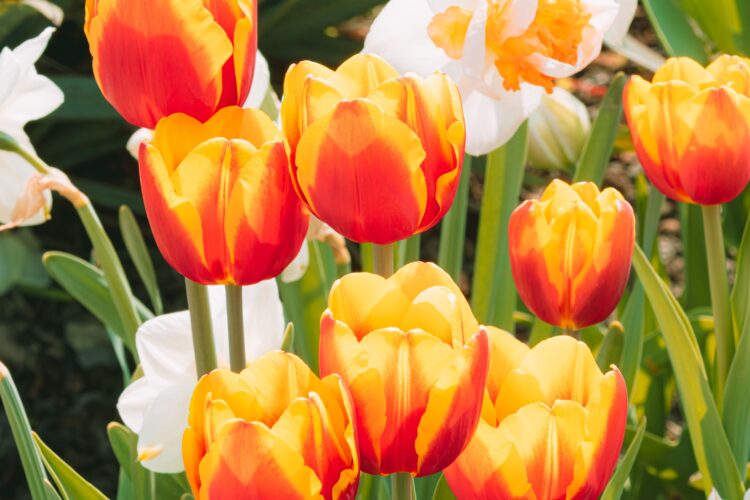
Few flowers announce the arrival of spring quite like tulips. Their cheerful, cup-shaped blooms come in nearly every color imaginable, and planting them is refreshingly simple once you know the basics. This guide covers exactly how to plant tulip bulbs in garden beds, containers, and indoors, plus timing, depth, and what to do once the blooms fade. For more plant care guides, see our homepage.
When to Plant Tulip Bulbs
Timing is the single most important factor in growing healthy tulips. Bulbs need a period of cold dormancy to trigger flowering, so they're planted in autumn, not spring.
- Best planting window: About six weeks before the ground freezes, once soil temperatures drop below 60°F (15°C) — typically mid-October through early December in most temperate regions, though according to Iowa State University Extension, October is generally the ideal month.
- Cold climates: Aim for mid-September to mid-October, per guidance from University of Minnesota Extension.
- Mild climates: You can wait into November or even December, as long as the ground isn't frozen solid.
- Too early is a problem too: Planting while soil is still warm can cause premature sprouting and increases the risk of fungal disease.
Can You Plant Tulips in the Spring?
Technically yes, but with a major caveat: tulip bulbs planted in spring generally won't bloom that same season because they haven't had the required cold period. If you want spring-planted tulips, pre-chill the bulbs in a refrigerator (away from fruit, which releases ethylene gas that can damage them) for 8–12 weeks before planting outdoors. For most gardeners, it's far easier to simply wait for autumn.
How Deep to Plant Tulip Bulbs
Depth matters more than most new gardeners expect.
- In the ground: Plant 6–8 inches deep — roughly three times the height of the bulb. The K-State Research and Extension recommends measuring depth from the base of the bulb.
- In pots or containers: Plant slightly shallower, around 4–6 inches deep, since containers offer less natural insulation.
- Always place bulbs pointy end up, root end down. If you're unsure which end is which, plant it on its side — tulips are surprisingly good at righting themselves as they grow.
Space bulbs about 4–6 inches apart to give each plant room to develop without overcrowding.
How to Plant Tulip Bulbs in the Ground
- Choose a sunny spot. Tulips need at least 6 hours of direct sunlight and well-draining soil — soggy soil causes bulbs to rot.
- Prepare the soil. Loosen it to about 12 inches deep and mix in compost or well-rotted organic matter.
- Dig your planting holes 6–8 inches deep.
- Add a bulb fertilizer. A bit of bone meal or bulb-specific fertilizer at the bottom of the hole gives roots a boost.
- Place the bulb pointy-side up and backfill with soil, pressing gently to remove air pockets.
- Water thoroughly right after planting to help roots establish before the ground freezes.
- Mulch with a couple of inches of straw or shredded leaves in colder regions to insulate bulbs through winter.
How to Plant Tulip Bulbs Outside vs. in Grass
If you're planting tulip bulbs in grass for a naturalized, meadow-style look, use a bulb planter or auger to cut clean holes directly into the turf, drop in the bulb, and replace the plug of soil and grass on top. Avoid mowing that area until the foliage has died back naturally in early summer, which allows the bulb to recharge for next year.
How to Plant Tulip Bulbs in Pots or Containers
Growing tulips in pots is ideal for patios, balconies, or anyone without garden beds. According to UMN Extension, positioning the flat side of the bulb toward the rim of the container encourages the largest leaf to drape attractively over the edge.
- Pick a container with drainage holes at least 6–8 inches deep.
- Use fresh, well-draining potting mix — not garden soil, which compacts too much in containers.
- Layer the bulbs for a fuller display: place larger, later-blooming bulbs at the bottom, add a layer of soil, then smaller or earlier bulbs above (a technique often called "bulb lasagna").
- Plant tulip bulbs 4–6 inches deep and about 2 inches apart — pots can handle tighter spacing than garden beds for a denser bloom.
- Water well after planting, then let excess water drain completely.
When to Plant Tulip Bulbs in Pots
Timing is the same as in-ground planting — autumn, roughly six weeks before your first hard frost.
Planting Tulips in Pots Over Winter
Potted bulbs are more exposed to temperature swings than those in the ground, so protecting them matters:
- Move pots to an unheated garage, shed, or cold frame where temperatures stay between roughly 35–48°F (2–9°C) for at least 12–16 weeks.
- Insulate with mulch, bubble wrap, or burlap if pots must stay outdoors in a very cold climate.
- Check soil moisture occasionally through winter — it shouldn't dry out completely, but it also shouldn't stay soggy.
- Once shoots appear in early spring, gradually move pots into more light and warmth.
Can I Plant Tulip Bulbs in Pots in the Spring?
As with in-ground planting, spring planting in pots skips the natural chilling period tulips need. If you want tulips flowering the same spring you plant them, buy pre-chilled bulbs from a garden center rather than planting untreated bulbs straight into a pot in March or April.
Growing Tulips in Pots Indoors (How to Grow Tulips Indoors)
Forcing tulips indoors lets you enjoy blooms weeks ahead of the outdoor season — a popular project for winter color on windowsills and tables.
- Chill the bulbs first. Place bulbs in a paper bag in the refrigerator for 10–14 weeks at around 35–48°F, keeping them away from fruit.
- Plant in a shallow container with drainage holes, using fresh potting mix. Bulbs can sit closer together than outdoors since they won't be growing long-term in that pot.
- Plant with bulb tops (noses) just above the soil surface rather than fully covered.
- Keep the chilled, planted pot in a cool, dark spot for another 2–3 weeks until you see about an inch of shoot growth.
- Move to a bright, cool room once shoots appear, gradually introducing more light and warmth. Avoid direct heat sources like radiators, which shorten bloom life.
- Rotate the pot regularly so stems grow evenly instead of leaning toward the light.
Indoor-forced tulips typically bloom 3–4 weeks after being brought into warmth and light, making it easy to time a pot of tulips for a specific date, like a holiday or gathering.
How to Plant Tulip Bulbs After They Bloom
- Deadhead the spent flower by snipping off the bloom, but leave the stem and leaves intact.
- Let the foliage die back naturally — this can take 6–8 weeks and is essential, since the leaves feed energy back into the bulb for next year's flower.
- Avoid braiding, tying, or cutting leaves early, even though it looks tidier; doing so reduces the bulb's stored energy.
- Once leaves have fully yellowed and withered, trim them away or gently lift the bulbs.
- For bulbs in pots, this is the point to carefully dig up and either store the bulbs or transplant them into the garden.
- Storing bulbs: Let lifted bulbs dry out of direct sun for a few days, then store in a cool, dry, well-ventilated spot (paper bags or mesh sacks work well) until the next autumn planting window.
How to Plant Daffodil Bulbs (Quick Comparison)
Daffodils follow a very similar process to tulips, which makes them a natural companion planting:
- Timing: Plant in autumn, about 2–4 weeks before the first frost — slightly earlier than tulips is fine.
- Depth: Plant about 6 inches deep, pointy end up, similar to tulips.
- Spacing: Space 4–6 inches apart.
- Sunlight and soil: Full sun to partial shade, well-draining soil.
- Bonus: Daffodils are deer- and rodent-resistant — tulip bulbs, unfortunately, are a favorite snack for both — so mixing the two can help protect your tulip display.
Quick Reference: Tulip Planting Depth & Timing
| Method | Depth | Best Planting Time |
|---|
| In the ground | 6–8 inches | Autumn, ~6 weeks before first hard frost |
| In pots/containers | 4–6 inches | Autumn, same timing as in-ground |
| Indoors (forced) | Tops just above soil | After 10–14 weeks of chilling |
| In grass (naturalized) | 6–8 inches | Autumn |
Quick FAQ
How deep do you plant tulip bulbs in pots?
About 4–6 inches deep, with the pointy end facing up and the flat side of the bulb toward the rim of the container for the best-looking foliage display.
Can I plant tulip bulbs in pots in the spring?
Only if the bulbs have already been cold-treated (pre-chilled). Untreated bulbs planted in spring typically won't flower that same year.
Can you plant tulips in the spring outdoors?
You can, but they won't bloom until they've gone through a cold period first — either naturally over the following winter or through artificial refrigeration beforehand.
How do you plant tulip bulbs after they bloom?
Deadhead the flower but leave the foliage in place until it yellows naturally, then lift and store the bulbs or leave them in the ground to bloom again next year.
Final Thoughts
With the right timing and planting depth, tulips are one of the most rewarding bulbs a gardener can grow — whether tucked into garden beds, arranged in patio pots, or forced into bloom on a windowsill in the middle of winter.
For more plant guides, explore plants that bring happiness and what a happy plant actually means. You can also learn more about us or get in touch with questions, or visit our homepage for more plant care guides.


0 Comments