Happy Plant
Ammara Azhar
5:13 pm - July 19, 2026
Happy Frog Potting Soil: Complete Buying Guide — Ingredients, Price, Where to Buy & Best Uses
Happy Frog potting soil (sometimes searched as "happy frog planting soil") is one of the most popular container mixes on the market, made by FoxFarm. This guide covers exactly what's in the bag, how much it costs, where to actually find it in stock, how it stacks up against similar FoxFarm and big-box soils, and which plants it's genuinely best suited for. If you're looking specifically for FoxFarm's Happy Frog liquid fertilizer products rather than the potting soil itself, see our separate Happy Frog plant food guide.
What Is Happy Frog Potting Soil?
Happy Frog Potting Soil is a ready-to-use, container-specific potting mix made by FoxFarm Soil & Fertilizer Company. It's built around a base of aged forest products and sphagnum peat moss, amended with earthworm castings, bat guano, perlite for aeration, and beneficial soil microbes and mycorrhizal fungi intended to help roots access nutrients more efficiently than they could in bare peat or generic topsoil-based mixes. It's marketed as suitable for a wide range of container use — houseplants, vegetables, flowers, and small trees or shrubs grown in pots. Depending on the retailer, you may see it listed under slightly different full names, such as "FoxFarm Happy Frog Flower & Plant Potting Soil" or "FoxFarm Happy Frog Organic Flower & Plant Potting Soil" — these all refer to the same core product, just labeled differently across various online listings.
Happy Frog Potting Soil vs. Happy Frog Soil Conditioner vs. Happy Frog Compost
It's worth not confusing these related products: Happy Frog Potting Soil is the bagged, ready-to-use container mix covered in this guide, while Happy Frog Soil Conditioner is a separate FoxFarm product — finely-screened aged forest products, earthworm castings, and bat guano — designed to be worked into existing garden soil or raised beds to improve structure, aeration, and organic content, rather than used as a stand-alone container growing medium. If you've seen it referred to as "Happy Frog compost," that's essentially describing the Soil Conditioner's role as a compost-like amendment rather than a distinct third product. If your project is potting up a plant in a container, the potting soil (not the conditioner) is what you want; if you're rejuvenating an existing garden bed or working amendment into native soil before transplanting, the Soil Conditioner is the right pick instead.
Happy Frog Potting Soil vs. Happy Frog Fertilizer
Also separate from both of the above: "Happy Frog fertilizer" refers to FoxFarm's line of dry and liquid plant foods sold under the Happy Frog name (including Jump Start, Tomato & Vegetable, Japanese Maple, and Fruit & Flower formulas), meant to supplement the mild nutrient charge already built into the potting soil once a plant is actively growing. For a full breakdown of that product line, see our Happy Frog plant food guide.
Happy Frog Potting Soil Ingredients & NPK
According to FoxFarm's own product listings, the ingredient list includes: composted forest humus, sphagnum peat moss, perlite, earthworm castings, bat guano, humic acid (derived from Leonardite), oyster shell, and dolomite lime (added specifically to adjust and stabilize pH).
The guaranteed nutrient analysis is intentionally light — commonly listed around 0.30% total nitrogen, 0.30% available phosphate, and 0.05% soluble potash. That's a "starter" nutrient level rather than a full fertilizer program: it's enough to support a newly potted plant or seedling for a while, but for larger, longer-term container plants, FoxFarm explicitly recommends supplementing with one of its liquid or dry fertilizers (such as Grow Big or a Happy Frog dry fertilizer) once the plant is actively growing.
Is Happy Frog Potting Soil Organic?
It's formulated entirely from natural, plant- and animal-derived ingredients (forest humus, peat, worm castings, bat guano, oyster shell, dolomite lime) rather than synthetic fertilizer salts, and it's widely marketed and sold as an "organic" potting soil by FoxFarm and its retailers. If formal, certified organic status (such as an OMRI listing) matters for your specific use — say, a certified organic farm operation — it's worth checking the current packaging or FoxFarm's own product documentation directly, since certification details can be updated over time.
Happy Frog Potting Soil pH & Drainage
The soil is deliberately pH-adjusted using dolomite lime and oyster shell, landing in a slightly acidic-to-neutral range similar to FoxFarm's related Ocean Forest mix (which the company lists at roughly 6.3–6.8 pH) — a range that suits the large majority of houseplants, vegetables, and flowers without further adjustment. In terms of drainage, the peat-and-perlite base drains reasonably well and stays light and airy, but several growers note it also holds a fair amount of moisture — worth keeping in mind if you tend to overwater, since staying too wet for too long is more likely to cause problems than the soil itself draining poorly.
Happy Frog Potting Soil Sizes & Price
| Size | Typical Price Range (USD) |
|---|---|
| 12-quart bag | Roughly $15–$20 |
| 1–1.5 cubic foot bag | Roughly $25–$35 |
| 2 cubic foot bag (most common size) | Roughly $34–$48, depending on retailer and region |
| Bulk multi-packs (e.g., 12 bags) | Priced per bag at a bulk discount through select retailers |
Prices vary noticeably by retailer, region, and current promotions, so it's worth comparing a couple of sources before buying, especially for a 2 cubic foot bag where the price-per-bag difference between retailers can be significant.
Where to Buy Happy Frog Potting Soil
Happy Frog Potting Soil is widely distributed and commonly stocked at:
- Home Depot and Lowe's — both regularly carry the 2 cubic foot bag in the outdoor garden center section
- Walmart and Amazon — available in multiple sizes, including smaller 12-quart bags and multi-packs, often with online-only pricing and shipping
- Ace Hardware — stocked at many locations, particularly those with a larger garden section
- Tractor Supply, Rural King, Menards, and Bomgaars — regional farm-and-garden chains that frequently carry FoxFarm soils, especially in areas with strong gardening and small-farm customer bases
- Independent hydroponic and garden supply shops — often the most reliably in-stock option, since these stores tend to specialize in FoxFarm's full product line
Because stock varies by season and specific store, the most reliable way to confirm local availability is to check each retailer's website inventory tool for your zip code before making a special trip.
Happy Frog Soil Near Me (Including the 2 Cu Ft Bag)
If you're searching "happy frog soil near me" or specifically the "happy frog potting soil 2 cu ft near me," the fastest way to check is to use the store-locator or "check availability" tool on the Home Depot, Lowe's, Ace Hardware, or Tractor Supply websites directly — just enter your zip code and each site will show which nearby locations currently have the 2 cubic foot bag (or other sizes) in stock, since it's more efficient than calling around individually.
FoxFarm Happy Frog Potting Soil Reviews
Across major retailers, Happy Frog Potting Soil consistently earns strong customer ratings, generally sitting in the 4.5–4.7 out of 5 star range across hundreds to thousands of reviews. Common praise includes healthy root development, good moisture retention without waterlogging when used correctly, and noticeably better plant performance compared to cheaper, filler-heavy potting soils. The most common critical feedback echoes what's noted throughout this guide: some find it a bit rich or moisture-retentive for very young seedlings or moisture-sensitive plants like succulents.
Happy Frog Potting Soil vs. Ocean Forest vs. Miracle-Gro
Happy Frog vs. FoxFarm Ocean Forest
These are FoxFarm's two most popular potting soils, and the difference comes down to richness. Ocean Forest is more heavily amended overall and is generally positioned as the step up for larger containers and heavier-feeding plants, while Happy Frog is the lighter, gentler formulation — a better fit for seedlings, smaller pots, and plants that don't want an intensely rich starting medium. If you're not sure which to pick, Happy Frog is the safer default for general houseplants and smaller containers, while Ocean Forest suits bigger vegetable containers and heavy feeders like tomatoes in large pots.
Happy Frog vs. Miracle-Gro
The core difference is the nutrient source: Miracle-Gro potting mixes typically rely on synthetic, fast-release fertilizer salts for a quick initial growth boost, while Happy Frog leans on slower-release organic inputs (worm castings, bat guano, forest humus) paired with living soil microbes intended to support the plant more gradually and consistently over time. Gardeners who prefer organic inputs, or who are growing edible plants, often favor FoxFarm for this reason, though Miracle-Gro's synthetic nutrients can produce a faster initial growth spurt in some cases.
Best Uses for Happy Frog Potting Soil
- Vegetables and tomatoes: A strong, popular choice — many growers use it as the base mix and add a dedicated tomato/vegetable fertilizer once plants start fruiting, since the soil's built-in nutrient level is only a starter charge.
- Peppers and other container edibles: Works well for the same reasons as tomatoes — good structure and organic nutrient base, supplemented with feeding during fruiting.
- Flowers: A reliable, widely recommended choice for potted annuals and perennials.
- Houseplants in general: Well suited for most common houseplants; for moisture-sensitive aroids like monstera, many growers cut it with extra perlite or orchid bark to improve drainage further, since the base mix retains more moisture than some aroid specialists prefer.
- Seedlings and seed starting: Usable, though some growers find the texture a bit chunky and rich for very fine seeds or delicate new roots, and prefer blending it with a lighter seed-starting mix or extra perlite for the earliest growth stage before transplanting.
- Succulents: Not ideal used straight from the bag — it holds more moisture than most succulents want. If you're set on using it, cut it heavily (roughly 1:1 or more) with perlite or pumice, or consider a dedicated cactus/succulent mix instead.
- Roses, Japanese maples, blueberries, and other acid-loving plants: FoxFarm itself markets Happy Frog as a solid base for acid-loving plants, and the slightly acidic pH range works in your favor here, making it a reasonable choice for plants that prefer soil on the acidic side — though FoxFarm also sells a dedicated Japanese Maple fertilizer for ongoing feeding of that specific plant, and heavier acid-lovers may still benefit from an acid-specific fertilizer alongside the soil.
- Raised beds: Usable, but for larger raised beds it can get costly compared to bulk garden soil; FoxFarm also sells a dedicated Raised Bed Planting Mix that may be a more cost-effective direct fit at scale.
- Home cannabis cultivation: Happy Frog is a widely used, popular base soil within the home cannabis-growing community, valued for its organic inputs and beneficial microbe content as part of a broader feeding program.
Happy Frog Potting Soil: Quick FAQ
What kind of soil does Happy Frog use?
It's not a soil in the traditional dirt sense at all — it's a soilless potting mix built from composted forest humus, sphagnum peat moss, and perlite, amended with earthworm castings, bat guano, humic acid, oyster shell, and dolomite lime. This soilless-mix approach is standard for quality container potting products, since it drains and aerates far better than real garden soil or topsoil would in a pot.
Is Happy Frog soil good for house plants?
Yes, it's a solid general-purpose choice for most common house plants, giving good aeration and a gentle organic nutrient base. For moisture-sensitive houseplants like succulents or many aroids, cutting it with extra perlite improves drainage further, as noted in the best-uses section above.
How do you use Happy Frog soil?
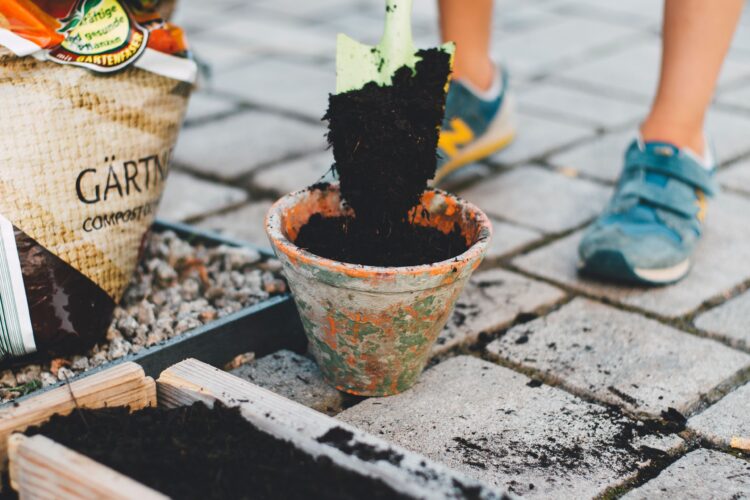
Fill your container with soil to about an inch below the rim, water thoroughly after planting, and — since the built-in nutrient charge is light — begin feeding with a FoxFarm liquid or dry fertilizer once the plant is actively growing. For established potted plants, you can also top-dress with a few inches of fresh Happy Frog Potting Soil worked gently into the surface layer.
Is Happy Frog soil OK for young pot plants?
Yes, it's commonly used for young, newly transplanted potted plants of all kinds, since its organic nutrient level is intentionally mild — closer to a gentle starter charge than a hot, heavily-fertilized mix that could stress young roots. That said, for very young seedlings just past germination, some growers still prefer cutting it with extra perlite or a lighter seed-starting mix until the root system is a bit more established, as covered below.
Is Happy Frog potting soil good for seedlings?
Generally yes for potting up young transplants, though very fine seeds may do better starting in a lighter, more finely textured seed-starting mix before moving into Happy Frog once they have real roots established.
Does Happy Frog potting soil have fertilizer in it?
Yes, a mild starter-level charge of nitrogen, phosphate, and potash from its organic ingredients — but it's not enough on its own to sustain a plant through a full growing season in a larger container, so ongoing feeding is recommended once the plant is actively growing.
Does Happy Frog potting soil drain well?
Reasonably well thanks to its perlite content, though it also retains a good amount of moisture — pay attention to watering frequency, especially in smaller pots or with plants that prefer to dry out between waterings.
Is Happy Frog a "living soil"?
It contains beneficial soil microbes and mycorrhizal fungi, which puts it a step toward the "living soil" concept, though it's not marketed or built to the same degree as some fully composted, enthusiast-grade living soil blends designed to need no additional fertilizer at all.
What's a good alternative if Happy Frog is out of stock?
FoxFarm's own Ocean Forest is the most direct substitute if you want to stay in the same product family, just adjusting your feeding schedule since it's more heavily amended. Otherwise, any other organic-ingredient potting mix with good drainage (peat or coco coir base plus perlite) can serve as a reasonable stand-in.
Final Thoughts
Happy Frog Potting Soil earns its popularity as a genuinely solid, organic-leaning, all-purpose container mix — strong for vegetables, flowers, and most houseplants, with a light enough nutrient charge that you stay in control of feeding as your plant grows. Just know its limits: it's richer than seedlings strictly need, wetter than succulents want, and eventually needs a fertilizer follow-up for anything you're growing long-term in a container.
For more on plants, soil, and plant food, explore our related guide: Happy Frog plant food guide. You can also learn more about us or get in touch with questions, or visit our homepage for more plant care guides.

Ammara Azhar
I'm Ammara Azhar, the founder of HappyPlant.info and a content writer passionate about creating clear, well-researched content on plant care, gardening, and lifestyle topics. I enjoy turning reliable information into practical, easy-to-follow guides that help readers care for their plants with confidence. My writing focuses on accuracy, simplicity, and providing genuine value. Through thoughtful research and engaging content, I aim to make gardening more accessible and enjoyable for beginners and experienced plant lovers alike.
0 Comments