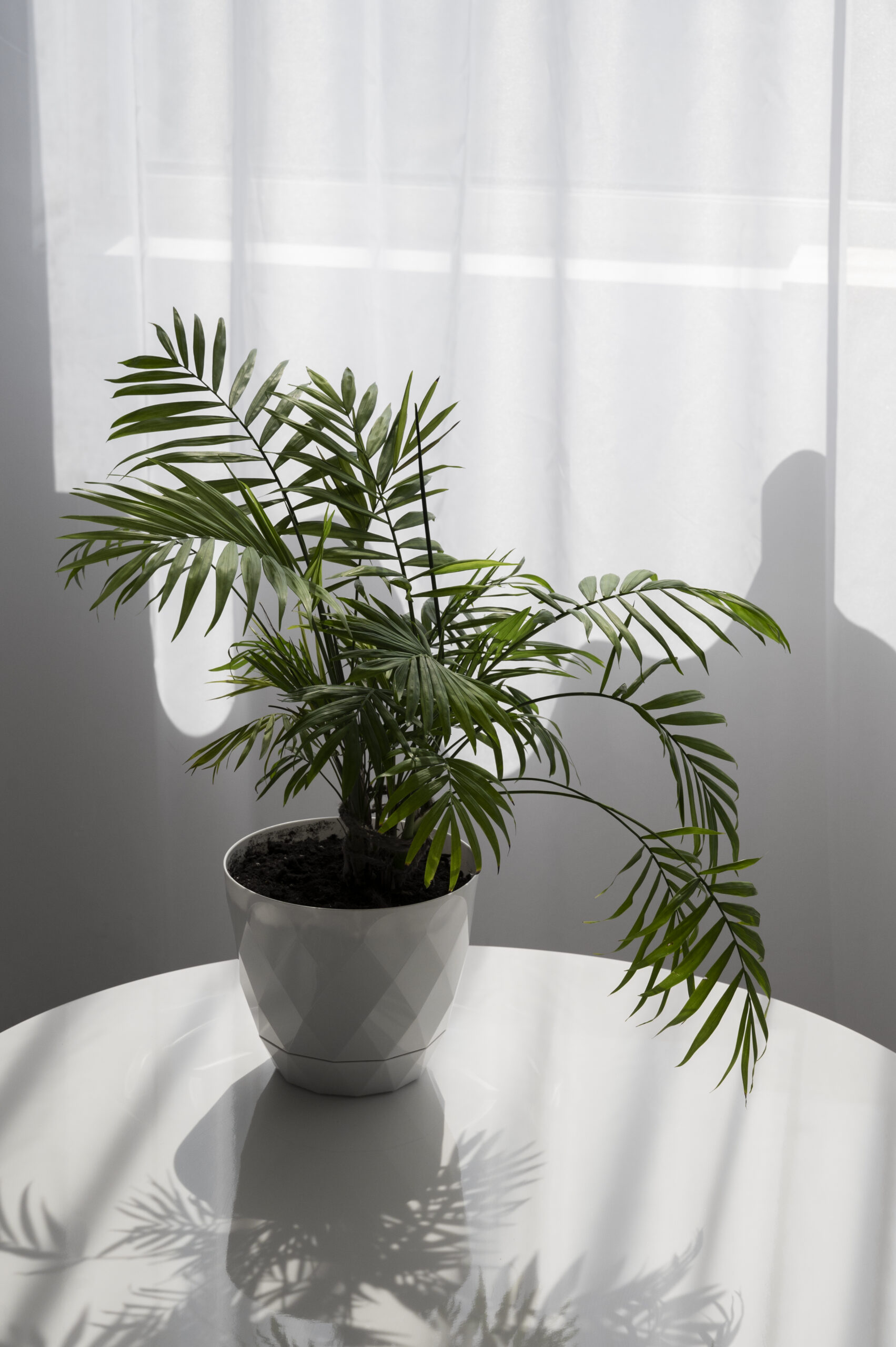
The happy plant (Dracaena fragrans) is one of the most popular indoor plants in the UK, known for its attractive green leaves and low-maintenance nature. Whether you’re a beginner or an experienced plant owner, understanding how to properly care for a happy plant can make a huge difference in its growth and appearance.
In this complete guide, you’ll learn about happy plant care indoors in the UK, that will cover everything from watering and light requirements to fertiliser use, common problems, and whether your happy plant can grow outdoors.
What Is a Happy Plant?
The happy plant, also known as Dracaena fragrans, is a tropical houseplant that thrives indoors. It is often called the corn plant because of its long, arching leaves that resemble corn foliage.
Key facts:
- Easy to care for
- Ideal for indoor environments
- Can grow up to 6 feet tall indoors
- Known for improving indoor air quality
Happy Plant Care Indoors (UK Guide)
Caring for a happy plant indoors is simple if you follow the right routine.
How Often to Water a Happy Plant
One of the most common mistakes is overwatering.
- Water every 1–2 weeks
- Let the topsoil dry out between waterings.
- Reduce watering in winter
Tip: Yellow leaves often mean overwatering.
Happy plants prefer:
Happy Plant Light Requirements
- Bright, indirect light
- Can tolerate low light
- Avoid direct sunlight (can burn leaves)
Perfect for:
- Living rooms
- Offices
- Bedrooms
Temperature & Humidity
- Ideal temperature: 18–24°C
- Avoid cold drafts
- Moderate humidity is fine
Best Fertilizer for Happy Plant
Using the right fertilizer helps your plant grow faster and healthier.
What Fertilizer to Use
- Balanced liquid fertilizer (once a month in spring/summer)
- Organic compost works well, too
Avoid Over-Fertilizing
Too much fertilizer can cause the following:
- Brown leaf tips
- Salt buildup in soil
Best practice: Feed lightly during the growing season only.
Can Happy Plants Grow Outside in the UK?
This is a common question.
Short answer: Only in warm months.
Outdoor Tips:
- Place outside in summer only
- Keep in shaded or semi-shaded areas
- Bring indoors before temperatures drop below 10°C
In the UK climate, happy plants are best kept indoors year-round.
Best Tips for Happy Plant Care Indoors
Common Happy Plant Problems & Fixes
Yellow Leaves
Cause: Overwatering
Fix: Reduce watering and improve drainage
Brown Tips
Cause: Dry air or too much fertilizer
Fix: Mist leaves and reduce feeding
Not Growing
Cause: Low light or lack of nutrients
Fix: Move to a brighter spot and fertilize lightly
Root Rot
Cause: Excess water.
Fix: Repot in fresh, well-draining soil
Happy Plant Soil & Repotting!
- Use a well-draining potting mix
- Repot every 2–3 years
- Ensure the pot has drainage holes
Does the Happy Plant Flower?
Yes—but rarely indoors.
- Produces fragrant white flowers
- Usually blooms in ideal conditions
Where to Place a Happy Plant in Your Home
Best locations:
- Near windows (indirect light)
- Corners of living rooms
- Office desks
Avoid:
- Direct sunlight
- Cold areas
Happy Plant Price in the UK (2026)
Prices vary depending on size:
- Small plant: £10–£20
- Medium plant: £20–£50
- Large plant: £50+
Available at:
- Garden centres
- Online plant shops
Happy Plant Varieties
Some popular types include:
- Dracaena fragrans ‘Massangeana’ (most common)
- Dracaena ‘Lemon Lime’
- Dracaena ‘Janet Craig’
FAQ
Can happy plants grow in low light?
Yes, but they grow more slowly.
Is Happy Plant safe for pets?
No, it can be toxic to cats and dogs.
How long does a happy plant live?
With proper care, it can live for many years.
Can I propagate a happy plant?
Yes, using stem cuttings.
How to keep indoor plants happy
Provide the right balance of light, water, and nutrients based on the plant type.
Keep them in stable temperatures and avoid overwatering or sudden environmental changes.
Signs of a happy plant
Healthy plants have vibrant green leaves, steady growth, and firm stems.
They show no signs of yellowing, wilting, or leaf drop.
How to make a plant happy again
Identify the issue (watering, light, or pests) and correct it quickly.
Trim damaged leaves and adjust care conditions to help recovery.
Best soil for happy plants
Use well-draining soil that retains moisture without becoming soggy.
A mix of potting soil, perlite, and compost works best for most indoor plants.
Happy plant watering schedule
Water your plant when the top 1–2 inches of soil feels dry.
Most indoor plants need watering every 1–2 weeks, depending on conditions.
Why are my plant leaves turning yellow?
Yellow leaves are often caused by overwatering or poor drainage.
Other reasons include nutrient deficiency, low light, or natural aging.
How to get bushy plants
Regular pruning encourages new growth and a fuller appearance.
Provide enough light and nutrients to support dense foliage.
Best fertilizer for indoor plants (US/AU)
Use a balanced liquid fertilizer during the growing season (spring and summer).
Feed plants once a month to promote healthy growth without overfeeding.
Humidity for tropical plants
Tropical plants thrive in humidity levels between 50% and 70%.
Use a humidifier or mist leaves to maintain proper moisture in dry environments.
Plant leaves curling fix
Leaf curling is usually caused by underwatering, pests, or low humidity.
Adjust watering, check for insects, and improve air moisture levels.
Best plants for beginners
Easy plants like snake plant, pothos, and peace lily are ideal for beginners.
They require minimal care and tolerate low light and irregular watering.
How to Buy Happy Plants Online
You can buy happy plants from online nurseries and plant delivery websites.
Look for trusted sellers with healthy plant guarantees and good reviews.
Indoor plant delivery
Many online stores offer fast and safe indoor plant delivery services.
Choose local suppliers for fresher plants and quicker delivery times.
Self-watering pots for happy plants
Self-watering pots help maintain consistent moisture levels in soil.
They are ideal for busy plant owners or beginners.
What are the best grow lights for indoor plants?
LED grow lights are the most efficient option for indoor plants.
They provide the full spectrum of light needed for healthy growth.
What is a Plant subscription box?
Plant subscription boxes deliver new plants to your home regularly.
They are a fun way to grow your indoor collection effortlessly.
Decorative plant pots
Decorative pots enhance your home while supporting plant growth.
Choose pots with drainage holes to prevent overwatering issues.

0 Comments